5 Foods Viral Posts Blame for Childhood Cancer: What Parents Should Know
5 Foods Viral Posts Blame for Childhood Cancer: What Parents Should Know
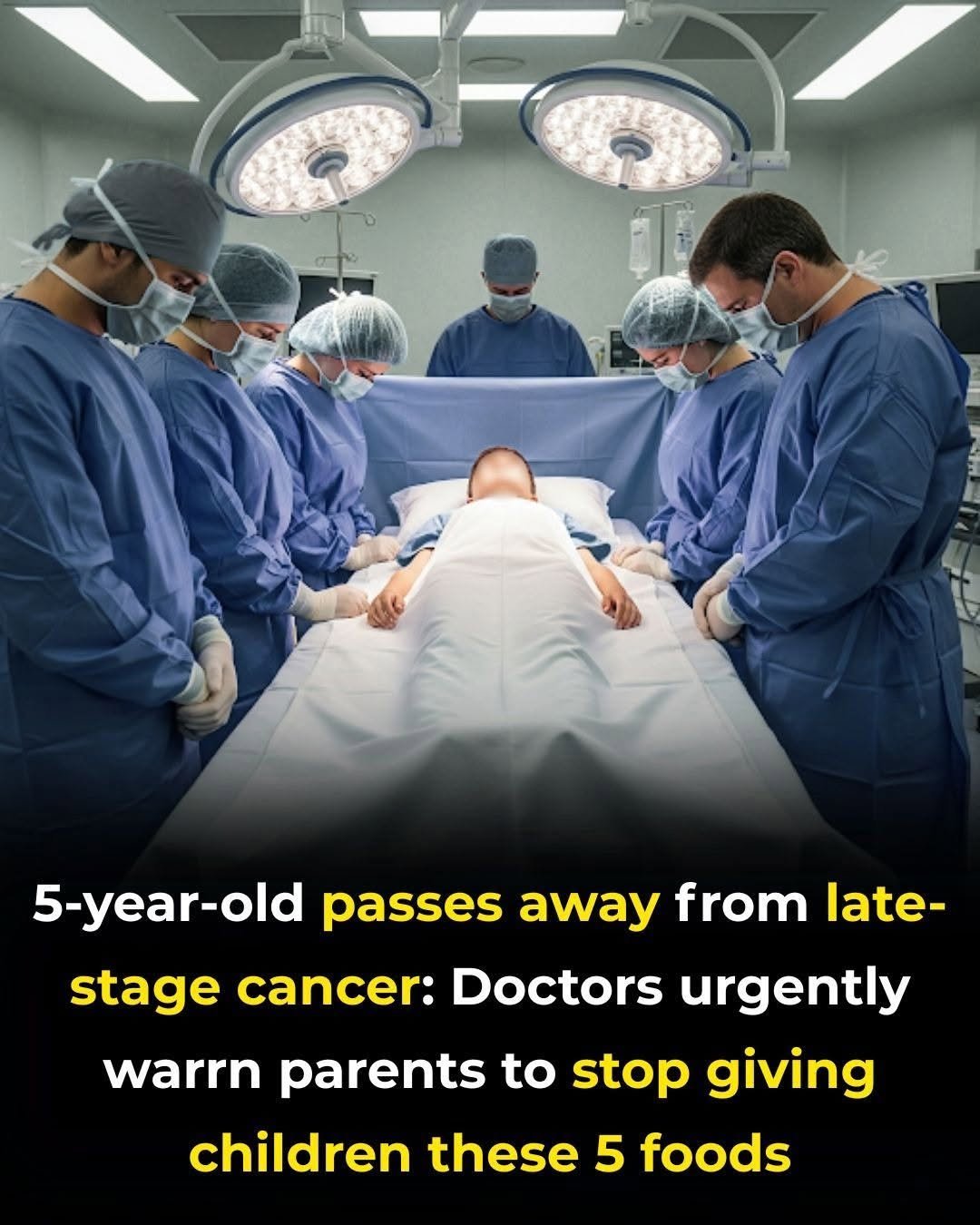
Every few months, a heartbreaking story circulates online claiming that a child developed cancer because of certain foods. Headlines often say things like, “Doctors warn parents to stop giving children these five foods immediately.” These posts are designed to trigger fear—but they don’t reflect what medical research actually shows.
The truth is that childhood cancer is a complex disease, and there is no credible evidence that everyday foods directly cause cancer in children. Understanding the facts can help parents make informed decisions without unnecessary anxiety.
What Causes Childhood Cancer?
Unlike many adult cancers, childhood cancers usually develop differently. Researchers believe many are linked to genetic changes that occur before birth or during early development. In most cases, these changes happen without anything a parent did or didn’t do.
Common childhood cancers include:
- Leukemia
- Brain tumors
- Lymphoma
- Neuroblastoma
- Wilms tumor
Scientists continue to study why these cancers develop, but diet has not been shown to be a direct cause of childhood cancer.
The 5 Foods Often Mentioned in Viral Posts
1. Processed Meats
Hot dogs, bacon, sausage, and deli meats are often included in alarming headlines.
What the evidence says:
Research has linked frequent consumption of processed meats with an increased risk of colorectal cancer in adults. However, this does not mean occasional consumption causes childhood cancer.
A balanced diet that limits processed meats is a sensible health recommendation, but there is no evidence that eating a hot dog causes cancer in children.
2. Sugary Drinks
Soft drinks and sweetened beverages are another common target.
What the evidence says:
Too much added sugar can contribute to:
- Tooth decay
- Childhood obesity
- Type 2 diabetes risk
- Poor overall nutrition
These are important health concerns, but sugary drinks have not been shown to directly cause childhood cancer.
3. Foods With Artificial Food Coloring
Social media often claims food dyes are dangerous.
What the evidence says:
Approved food colorings are regulated for safety. Some research has explored whether certain dyes may affect behavior in sensitive children, but there is no established scientific evidence linking approved food dyes to childhood cancer.
4. Burnt or Heavily Charred Foods
Cooking meat at very high temperatures can produce compounds that scientists continue to study.
What the evidence says:
Frequently eating heavily charred foods isn’t recommended, but enjoying grilled foods occasionally is not considered a cause of childhood cancer.
Cooking food until it’s safely done—without burning it excessively—is a reasonable approach.
5. Highly Processed Snack Foods
Chips, candy, cookies, and packaged snacks are often portrayed as dangerous.
What the evidence says:
These foods are generally high in sugar, salt, or unhealthy fats and should be eaten in moderation as part of a balanced diet. However, there is no evidence that occasional treats directly cause childhood cancer.
What Parents Should Focus On Instead
Rather than worrying about sensational headlines, health experts recommend habits that support overall well-being:
- Serve plenty of fruits and vegetables.
- Include whole grains and lean protein.
- Encourage regular physical activity.
- Limit sugary drinks.
- Schedule routine pediatric checkups.
- Keep children up to date on recommended vaccinations.
- Avoid exposure to tobacco smoke.
These habits promote good health, even though they cannot prevent every illness.
Why Fear-Based Headlines Can Be Harmful
Misleading articles often make parents feel responsible for illnesses they could not have prevented.
They may also:
- Spread unnecessary fear about everyday foods.
- Distract from evidence-based health advice.
- Undermine trust in healthcare professionals.
- Encourage restrictive diets that may not benefit children.
Frequently Asked Questions
Can certain foods cause childhood cancer?
Current scientific evidence does not show that common foods directly cause childhood cancer.
Should children never eat processed foods?
Most pediatric nutrition experts recommend moderation rather than complete avoidance.
Do food dyes cause cancer?
Approved food colorings have not been shown to cause childhood cancer.
Does sugar feed cancer?
All cells—including healthy cells—use glucose for energy. Eating sugar does not cause cancer, although limiting excess added sugar is beneficial for overall health.
Final Thoughts
The loss of any child is heartbreaking, but tragic stories should never be used to spread misinformation.
Current medical evidence shows that childhood cancer is usually not caused by specific foods or occasional dietary choices. Parents can best support their children’s health by providing balanced nutrition, encouraging physical activity, attending regular medical checkups, and relying on trusted healthcare professionals for guidance.
When you see alarming health claims online, it’s worth asking one question: Is this supported by strong scientific evidence—or is it designed to generate clicks?