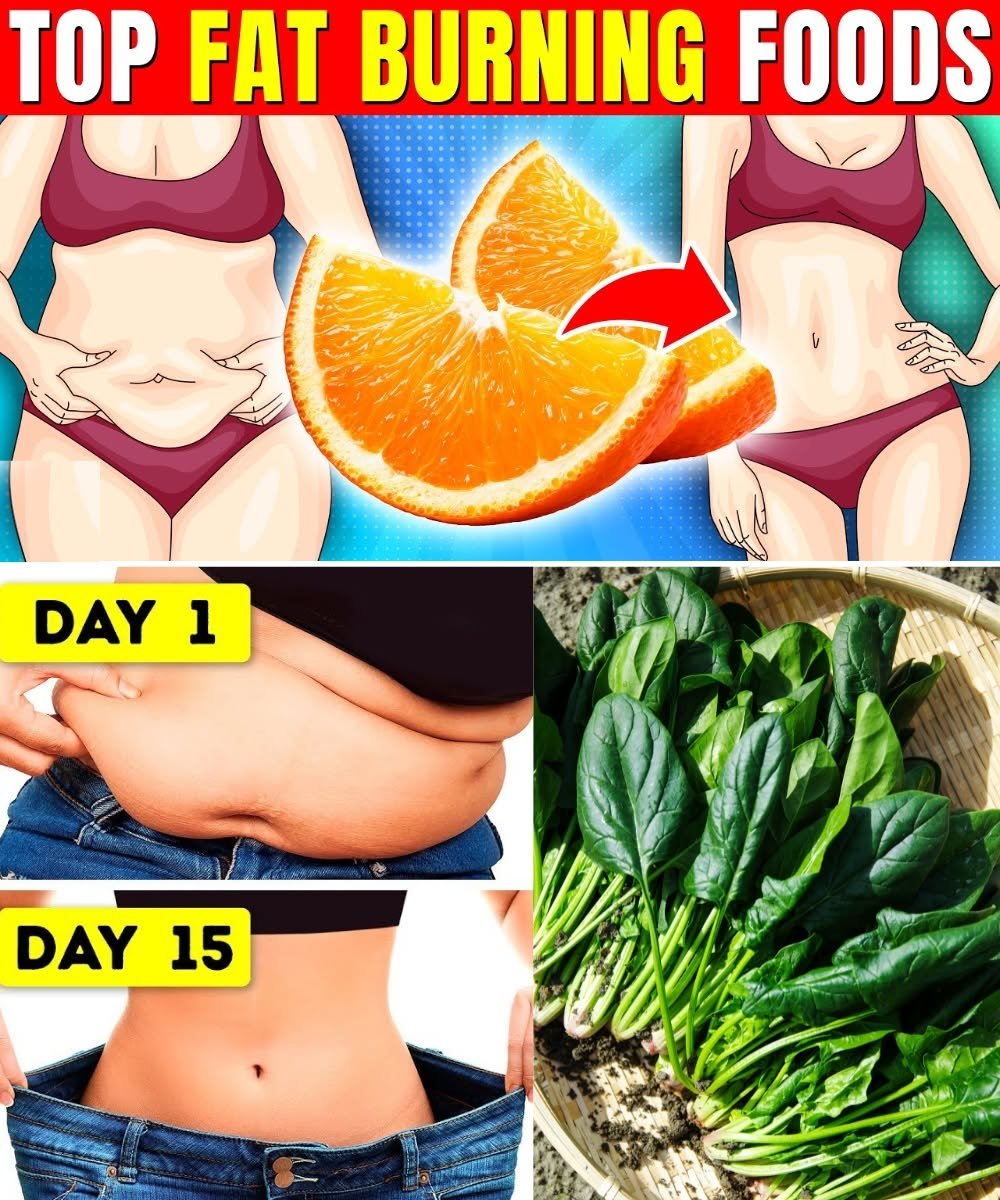
TOP 18 Fat-Burning Foods Women Should Eat Every Day (Backed by Nutrition Science)
TOP 18 Fat-Burning Foods Women Should Eat Every Day (Backed by Nutrition Science)
Maintaining a healthy weight isn’t about starving yourself or following restrictive diets. Instead, it’s about choosing nutrient-rich foods that keep you satisfied, support your metabolism, and provide lasting energy. While no single food can “burn” fat on its own, certain foods can make it easier to achieve and maintain a healthy weight by promoting fullness, preserving muscle, and supporting overall health.
If you’re looking for natural ways to support your weight-loss journey, here are 18 nutritious foods that deserve a place in your daily meal plan.
1. Avocados
Avocados are packed with heart-healthy monounsaturated fats, fiber, and potassium. Despite being higher in calories than many fruits, they help keep you feeling full longer, making it easier to avoid unnecessary snacking.
Benefits
- Promotes fullness
- Supports heart health
- Helps maintain stable blood sugar levels
- Rich in potassium, which may help reduce water retention
Enjoy: Spread on whole-grain toast, sliced into salads, or blended into smoothies.
2. Green Tea
Green tea is rich in antioxidants called catechins and contains a small amount of caffeine. Research suggests these compounds may slightly increase calorie burning and support fat metabolism when combined with regular exercise.
Benefits
- Supports metabolism
- Rich in antioxidants
- A healthy alternative to sugary beverages
Aim for 2–3 cups daily if you tolerate caffeine.
3. Eggs
Eggs are one of the most nutritious protein sources available. High-protein breakfasts can help reduce hunger later in the day while supporting muscle maintenance during weight loss.
Benefits
- High-quality protein
- Keeps you full longer
- Rich in vitamins and minerals
Boiled, scrambled, or poached eggs make an excellent breakfast.
4. Greek Yogurt
Greek yogurt contains nearly twice as much protein as regular yogurt and provides beneficial probiotics that support gut health.
Benefits
- High in protein
- Supports digestive health
- Helps preserve lean muscle
Choose plain, unsweetened varieties to avoid added sugars.
5. Chili Peppers
Chili peppers contain capsaicin, the natural compound responsible for their spicy flavor. Some studies suggest capsaicin may temporarily increase energy expenditure and reduce appetite.
Benefits
- Adds flavor without extra calories
- May slightly increase calorie burning
- Can help reduce appetite
Use fresh or dried chili peppers in soups, stir-fries, and sauces.
6. Salmon
Salmon is an excellent source of omega-3 fatty acids and high-quality protein. Healthy fats may support heart health and help you feel satisfied after meals.
Benefits
- Rich in protein
- Supports heart health
- Provides essential omega-3 fats
Aim to eat fatty fish two times per week.
7. Leafy Greens
Spinach, kale, arugula, and Swiss chard are incredibly nutrient-dense while remaining low in calories.
Benefits
- High in fiber
- Rich in vitamins A, C, and K
- Helps increase meal volume without adding many calories
Fill half your plate with leafy greens whenever possible.
8. Berries
Blueberries, strawberries, raspberries, and blackberries are naturally sweet while being lower in sugar than many other fruits.
Benefits
- High in fiber
- Rich in antioxidants
- Helps satisfy sweet cravings
They’re perfect for breakfast or healthy snacks.
9. Coconut Oil
Coconut oil contains medium-chain triglycerides (MCTs), which are metabolized differently than many other fats. However, it is still calorie-dense and should be used in moderation.
Benefits
- Adds healthy flavor
- May slightly increase fullness
- Useful for cooking
A small amount goes a long way.
10. Chia Seeds
Tiny but incredibly nutritious, chia seeds absorb water and form a gel-like texture that promotes fullness.
Benefits
- Excellent source of fiber
- Rich in omega-3 fats
- Supports healthy digestion
Add them to yogurt, smoothies, or overnight oats.
11. Lemons
Lemons don’t directly burn fat, but they add flavor without calories and encourage better hydration.
Benefits
- Rich in vitamin C
- Supports hydration
- Makes drinking water more enjoyable
Start your morning with warm lemon water if you enjoy the taste.
12. Apple Cider Vinegar
Some research suggests diluted apple cider vinegar may help some people feel fuller after meals, although its effects on weight loss are modest.
Benefits
- May improve fullness
- Can add flavor to salads
Always dilute before drinking to protect your teeth and throat.
13. Nuts
Almonds, walnuts, pistachios, and cashews provide healthy fats, protein, and fiber.
Benefits
- Satisfying snack
- Supports heart health
- Helps reduce hunger
Stick to a small handful to manage calories.
14. Cinnamon
Cinnamon adds natural sweetness to foods without sugar and may help maintain healthy blood sugar levels as part of a balanced diet.
Benefits
- Rich in antioxidants
- Adds flavor naturally
- Pairs well with fruit and oatmeal
15. Oatmeal
Oats are one of the best sources of soluble fiber, which helps you stay full and supports healthy cholesterol levels.
Benefits
- Slow-digesting carbohydrates
- Supports digestive health
- Provides steady energy
Top with berries and nuts for a balanced breakfast.
16. Broccoli
Broccoli is rich in fiber, vitamins, and plant compounds while remaining very low in calories.
Benefits
- High in vitamin C
- Supports digestive health
- Adds volume to meals
Steam, roast, or stir-fry for maximum flavor.
17. Garlic
Garlic contains natural plant compounds that support heart health and add bold flavor without extra calories.
Benefits
- Supports cardiovascular health
- Adds flavor naturally
- Contains beneficial antioxidants
Fresh garlic provides the strongest flavor and nutritional value.
18. Apples
Apples are naturally high in fiber and water, making them one of the most filling fruits.
Benefits
- Helps control hunger
- Supports digestion
- Easy, portable snack
Enjoy whole apples instead of juice for maximum fiber.
Healthy Habits That Support Fat Loss
While these foods are nutritious, sustainable weight loss comes from healthy daily habits rather than any single ingredient.
For the best results:
- Eat plenty of vegetables and whole foods.
- Include protein with every meal.
- Stay physically active most days of the week.
- Strength train to preserve muscle.
- Drink enough water throughout the day.
- Get 7–9 hours of quality sleep.
- Manage stress through relaxation techniques or regular exercise.
- Practice mindful eating and portion control.
Final Thoughts
There is no magic food that melts body fat, but choosing nutrient-dense foods like eggs, leafy greens, berries, salmon, oats, and Greek yogurt can help you feel fuller, nourish your body, and support healthy weight management over time.
The most effective approach isn’t about eating less—it’s about eating smarter. Combined with regular exercise, adequate sleep, and consistent healthy habits, these 18 foods can become valuable allies on your journey toward better health and lasting weight management.
Disclaimer: This article is for educational purposes only and should not replace professional medical advice. If you have a medical condition or specific dietary needs, consult a qualified healthcare professional or registered dietitian before making significant changes to your diet.