
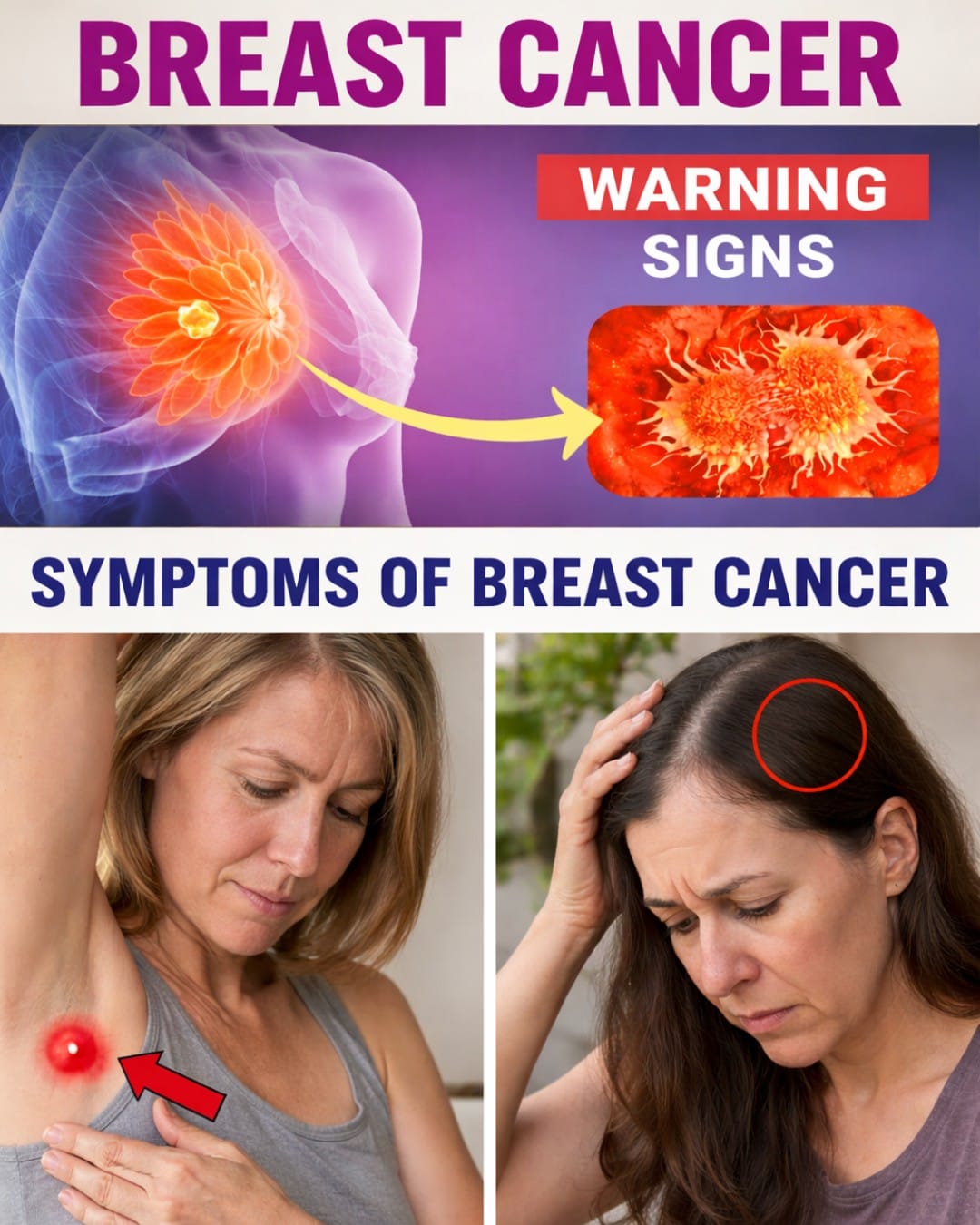
Noticing a subtle change in your breast and brushing it off as nothing can spark quiet anxiety that lingers through busy days and sleepless nights. The fear of what that small dimple, persistent itch, or unexplained swelling might mean grows heavier when life already feels overwhelming, especially with family responsibilities making it tempting to wait and see. Recognizing common breast cancer warning signs empowers you to have informed conversations with your doctor and feel more in control. But the full list of these breast cancer warning signs holds one detail that surprises most women and could make all the difference in timely awareness.
Why Early Awareness of Breast Cancer Warning Signs Matters
Breast cancer often begins quietly in milk ducts or lobules, and research shows that paying attention to breast cancer warning signs early supports better discussions with healthcare providers. According to recent American Cancer Society data, about 321,910 women will be diagnosed with invasive breast cancer in 2026, and roughly 1 in 8 women will face this diagnosis in her lifetime. The 5-year relative survival rate for localized cases is over 99 percent, while overall survival sits around 92 percent. That gap between early and later awareness of breast cancer warning signs can feel overwhelming when a simple change is ignored for weeks. Stories like Sarah’s highlight the emotional toll: she noticed a tiny dimple but waited six months before checking one of the breast cancer warning signs, leading to more intensive care. Awareness of these breast cancer warning signs turns worry into action.
10. Breast Size Changes: One of the Breast Cancer Warning Signs
That moment when one breast suddenly looks slightly fuller in the mirror can trigger a wave of self-doubt and quiet panic about breast cancer warning signs. Many women adjust their bra and hope it’s nothing, yet persistent asymmetry in breast cancer warning signs deserves attention. Research indicates that about 23 percent of early cases may first show as size changes. When you notice one of the breast cancer warning signs like this lasting over two weeks without pregnancy or hormonal explanation, it’s worth mentioning to your doctor. Lisa, 47, tracked the change in one of the breast cancer warning signs for weeks before her mammogram caught it early.
Red flag checklist for this breast cancer warning sign:
- Affects only one breast
- Lasts more than two weeks
- No clear hormonal cause
- Comes with firmness or texture shift
9. Skin Texture Changes: One of the Breast Cancer Warning Signs
Feeling your breast skin dimple like orange peel during a quick check can leave you frozen with worry about breast cancer warning signs. That puckering in one of the breast cancer warning signs is not normal and often stems from underlying changes. Studies from Johns Hopkins note texture shifts appear first in many cases. Maria spotted this breast cancer warning sign early, acted quickly, and felt relieved after follow-up. Any dimpling as one of the breast cancer warning signs calls for prompt medical review.
Simple self-exam steps for spotting this breast cancer warning sign:
- Stand with arms at sides and check symmetry
- Place hands on hips and tighten chest muscles
- Raise arms overhead and watch for changes
- Gently pinch skin to feel for puckering
8. Persistent Itching or Irritation: One of the Breast Cancer Warning Signs
Constant itching that won’t stop can drain your patience and spark deep concern about breast cancer warning signs, especially when redness or warmth joins in. Inflammatory breast cancer, though less common, often presents with these breast cancer warning signs lasting weeks instead of days. Jennifer initially blamed detergent for one of the breast cancer warning signs but sought care when it persisted. Itching plus redness as one of the breast cancer warning signs warrants quick medical evaluation.
7. Hardened Areas: One of the Breast Cancer Warning Signs
Discovering a hard, irregular area that feels like a marble under the skin can stop you in your tracks with fear about breast cancer warning signs. Unlike soft, movable cysts, these breast cancer warning signs are often fixed and painless. The American Cancer Society reports most palpable cancers feel hard. David, 62, noticed this rare male breast cancer warning sign early and received prompt care. Checking lymph nodes is key when monitoring breast cancer warning signs.
6. Persistent Breast or Nipple Pain: One of the Breast Cancer Warning Signs
Ongoing, localized pain that doesn’t follow your cycle can erode your peace of mind and make you question every breast cancer warning sign. When pain stays constant and deep as one of the breast cancer warning signs, it’s different from temporary discomfort. Research links certain combinations—like pain plus a lump—to higher likelihood of follow-up. Tracking patterns helps you discuss this breast cancer warning sign confidently with your doctor.
5. Unexplained Swelling: One of the Breast Cancer Warning Signs
Waking up to swelling in the breast or armpit without a visible lump can create waves of anxiety about breast cancer warning signs. This silent expansion as one of the breast cancer warning signs may signal lymphatic involvement. About 34 percent of inflammatory cases show swelling first. Raise your arm and gently feel the three zones in the armpit when checking for breast cancer warning signs.
4. Nipple Retraction: One of the Breast Cancer Warning Signs
Watching your nipple pull inward suddenly can feel alarming and raise immediate questions about breast cancer warning signs. Recent or progressive retraction in one of the breast cancer warning signs is especially important to note. It often links to underlying changes and should be shared with your provider right away as one of the breast cancer warning signs.
3. Red, Flaky, or Thickened Skin: One of the Breast Cancer Warning Signs
Skin turning red like a sunburn, flaky like eczema, or thickened as one of the breast cancer warning signs can shake your confidence and prompt urgent worry. These visible breast cancer warning signs, including warmth to the touch, may point to rarer forms like Paget’s disease. Early awareness of this breast cancer warning sign supports faster medical input.
2. Nipple Discharge: One of the Breast Cancer Warning Signs
Unexpected discharge from the nipple—especially if bloody or spontaneous—can trigger intense concern about breast cancer warning signs. Any fluid other than milk as one of the breast cancer warning signs needs professional review. Spontaneous or colored discharge raises the importance of discussing this breast cancer warning sign promptly.
1. Swollen Lymph Nodes: One of the Breast Cancer Warning Signs
Feeling swollen nodes under the arm or near the collarbone can be one of the most serious breast cancer warning signs, signaling possible spread. Any change here alongside other breast cancer warning signs calls for immediate medical attention. This breast cancer warning sign often appears later but highlights why consistent checks matter.
Quick Comparison Table: Common Breast Cancer Warning Signs
| Breast Cancer Warning Sign | How It Feels or Looks | Typical Duration | When to Act |
|---|---|---|---|
| Size Changes | One breast fuller | Over 2 weeks | See doctor promptly |
| Skin Dimpling | Orange-peel texture | Persistent | Immediate check |
| Persistent Itching | Itch + redness/warmth | Weeks | Urgent evaluation |
| Hardened Lump | Fixed, irregular, often painless | Ongoing | Mammogram recommended |
| Nipple Retraction | Inward pull | Recent or worsening | Today |
| Unexplained Swelling | Breast or armpit | Without clear cause | Medical visit |
Your 30-Day Breast Health Awareness Plan
Building a simple routine around breast cancer warning signs can reduce daily worry and support proactive health talks.
Week 1: Perform a daily self-exam to baseline breast cancer warning signs.
Week 2: Take weekly photos in consistent lighting to track breast cancer warning signs.
Week 3: Review personal risk factors for breast cancer warning signs.
Week 4: Schedule a professional screening if needed for peace of mind on breast cancer warning signs.
Daily self-exam routine for spotting breast cancer warning signs:
- Morning (lying down, 2 minutes): Cover the entire breast
- Evening (shower, 1 minute): Focus on lymph nodes
- Bedtime (mirror, 1 minute): Check skin and nipple changes
High-Risk Checklist for Breast Cancer Warning Signs
Talk to your doctor about screening if you have:
- Family history of breast cancer warning signs or diagnosis
- Previous breast biopsies or dense breast tissue
- Genetic factors like BRCA mutations
- Age over 40 or other personal risk elements
3 Common Questions About Breast Cancer Warning Signs
Q1: How often should I check for breast cancer warning signs?
Many experts recommend monthly self-exams starting in your 20s, plus clinical checks as advised by your doctor, to stay familiar with your normal and catch breast cancer warning signs early.
Q2: Can breast cancer warning signs appear in men too?
Yes, though rare, men can notice breast cancer warning signs like lumps or nipple changes—about 2,670 new male cases are expected in 2026—so anyone noticing changes should seek medical advice.
Q3: What should I do if I spot one of the breast cancer warning signs?
Contact your healthcare provider right away for evaluation—most breast changes are not cancer, but prompt review of breast cancer warning signs brings reassurance and options.
This article is for informational purposes only and does not replace professional medical advice. Always consult your healthcare provider about any breast cancer warning signs or changes you notice, especially if you have health conditions or take medications. Early conversations with your doctor support the best personalized guidance.
Ready to feel more confident? Bookmark this guide, share it with a loved one who might benefit from knowing these breast cancer warning signs, and start your monthly self-exam routine this week—your awareness matters.