Say Goodbye to Warts Naturally? What Really Works and What to Avoid
Say Goodbye to Warts Naturally? What Really Works and What to Avoid
Warts are one of the most common skin concerns, affecting millions of people every year. Although they are usually harmless, these small skin growths can be frustrating, embarrassing, and sometimes painful depending on where they appear. Many people search for natural home remedies before considering medical treatment, but it’s important to separate fact from fiction.
If you’re wondering whether lemon, garlic, or other household ingredients can remove warts, here’s what medical experts say—and which treatments have the strongest evidence.
What Are Warts?
Warts are small, rough skin growths caused by the human papillomavirus (HPV). The virus enters the skin through tiny cuts or scratches, causing extra skin cells to grow.
Common types include:
- Common warts (hands and fingers)
- Plantar warts (soles of the feet)
- Flat warts (face, arms, or legs)
- Filiform warts (around the mouth, nose, or eyes)
Although they’re usually harmless, warts can spread through direct skin contact or by sharing personal items like towels or razors.
Why Do Warts Develop?
Several factors increase the chance of developing warts, including:
- Direct contact with HPV
- Small cuts or broken skin
- Weakened immune system
- Walking barefoot in public showers or pools
- Nail biting or picking at the skin
- Sharing personal hygiene items
Children and teenagers are more likely to develop warts, but adults can get them as well.
Can Lemon Remove Warts?
Lemon juice is often promoted online as a natural wart remedy because it contains citric acid, which may help soften dead skin over time.
However, there is currently no strong scientific evidence that lemon juice alone can eliminate HPV or reliably remove warts.
Applying concentrated lemon juice may also cause:
- Skin irritation
- Burning
- Dryness
- Increased sensitivity to sunlight
- Dark or light skin discoloration
While some people report improvement, the wart may have resolved naturally rather than because of the lemon.
What About Garlic?
Garlic contains natural sulfur compounds with antimicrobial properties, and a few small studies suggest garlic extract may help some warts disappear over time.
However:
- Raw garlic can cause chemical burns on the skin.
- Leaving garlic under a bandage overnight may lead to blistering.
- Results are inconsistent.
If you choose to try garlic, discontinue use immediately if significant irritation develops.
Apple Cider Vinegar: Does It Work?
Apple cider vinegar is another popular home remedy.
Because it is acidic, it may gradually damage wart tissue in some cases. However, it can also cause:
- Chemical burns
- Pain
- Skin ulcers
- Infection if the skin breaks
Healthcare professionals generally do not recommend applying undiluted vinegar directly to the skin.
Treatments That Have the Best Evidence
If you want the highest chance of removing a wart, these options have the strongest medical support.
1. Salicylic Acid
This is considered one of the most effective over-the-counter treatments.
It works by:
- Softening thick skin
- Gradually removing wart tissue
- Stimulating the immune system
Daily use for several weeks often provides the best results.
2. Cryotherapy
A healthcare provider freezes the wart with liquid nitrogen.
Benefits include:
- Fast treatment
- High success rate
- Suitable for stubborn warts
Several sessions may be required.
3. Prescription Treatments
Dermatologists may recommend:
- Stronger topical medications
- Cantharidin
- Immunotherapy
- Laser treatment
- Minor surgical removal
These treatments are usually reserved for persistent or painful warts.
Simple Home Care Tips
Whether you’re treating a wart naturally or medically, these habits can help:
- Keep the wart clean and dry.
- Avoid picking or scratching it.
- Wash your hands after touching it.
- Don’t share towels, nail clippers, or razors.
- Wear sandals in public showers and swimming pools.
- Cover plantar warts if they’re painful.
Common Wart Myths
❌ “Cutting the wart off at home removes it.”
Cutting a wart yourself can cause bleeding, infection, and spread the virus.
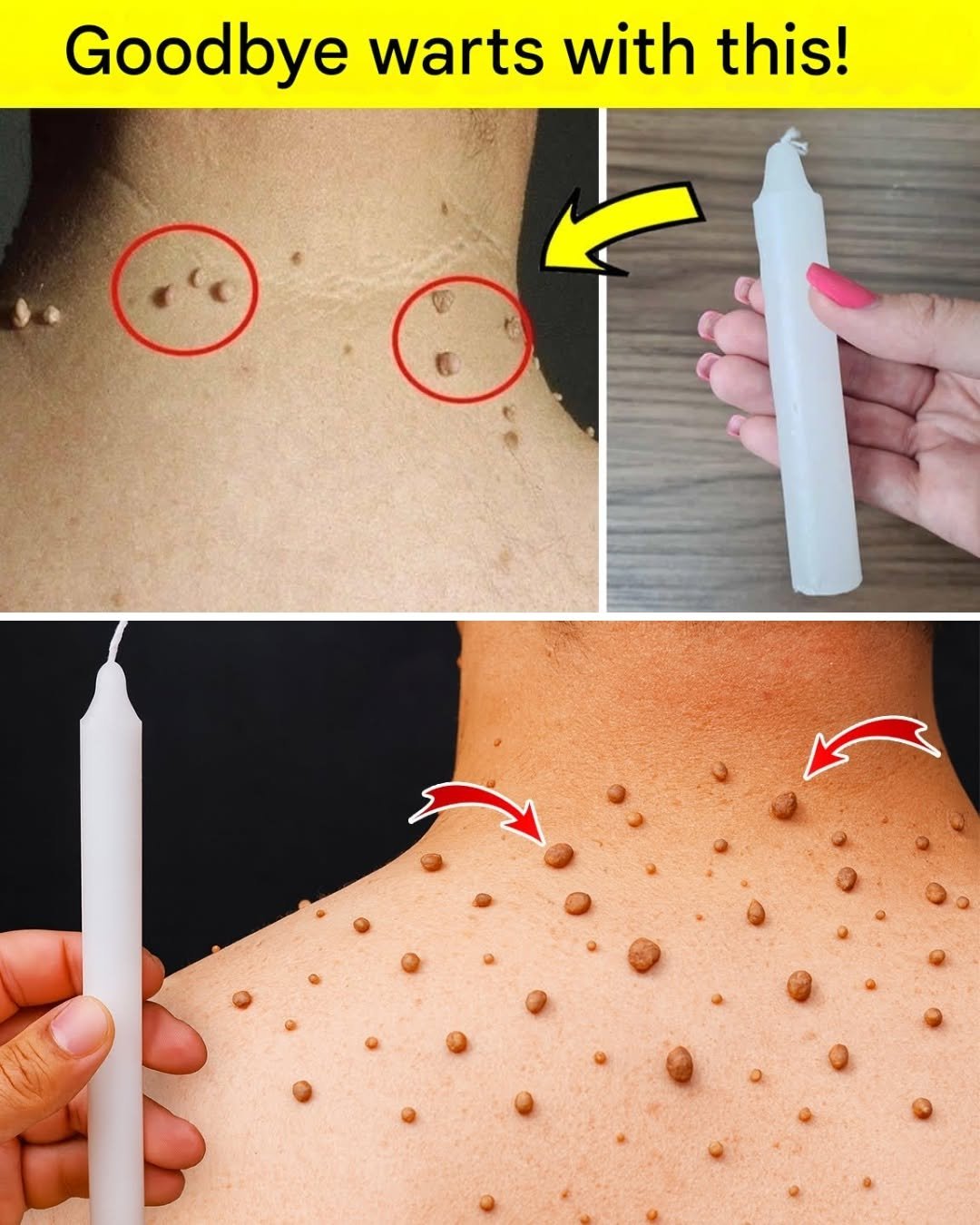
❌ “Burning the wart with a candle works.”
Using heat or candle wax on the skin can cause serious burns and permanent scarring.
❌ “Only children get warts.”
Adults can develop warts at any age.
❌ “Every wart needs treatment.”
Many warts disappear naturally as the immune system clears the virus, although this can take months or even years.
When Should You See a Doctor?
Seek medical advice if:
- The wart is painful or bleeding.
- It changes colour or shape.
- You have many warts appearing suddenly.
- It keeps returning after treatment.
- You have diabetes or poor circulation.
- You’re unsure whether the growth is actually a wart.
A healthcare professional can confirm the diagnosis and recommend the safest treatment.
Frequently Asked Questions
Can warts disappear on their own?
Yes. Many warts eventually resolve without treatment, although it may take several months or even years.
Are warts contagious?
Yes. HPV can spread through direct skin contact or contaminated surfaces.
Does lemon kill the wart virus?
There is no reliable scientific evidence that lemon juice eliminates HPV.
Is garlic safe for wart removal?
Garlic may have antiviral properties, but applying raw garlic can burn the skin. Use caution and stop if irritation occurs.
What is the fastest wart treatment?
Cryotherapy performed by a healthcare provider is generally one of the quickest and most effective options.
Final Thoughts
Natural remedies like lemon and garlic continue to attract attention because they’re inexpensive and easy to find. However, current medical evidence does not support them as reliable cures for warts, and they can sometimes irritate or damage healthy skin.
If a wart is small and not causing problems, careful observation or an over-the-counter salicylic acid treatment may be reasonable. For persistent, painful, or rapidly changing warts, seeing a healthcare professional is the safest and most effective approach.
Disclaimer: This article is for informational purposes only and should not replace professional medical advice, diagnosis, or treatment. Always consult a qualified healthcare provider before trying new treatments, especially if you have diabetes, a weakened immune system, or uncertain skin lesions.