Dark Underarms? How Glycolic Acid May Help Reduce Discoloration, Razor Bumps, and Deodorant Build-Up
Dark Underarms? How Glycolic Acid May Help Reduce Discoloration, Razor Bumps, and Deodorant Build-Up
Introduction
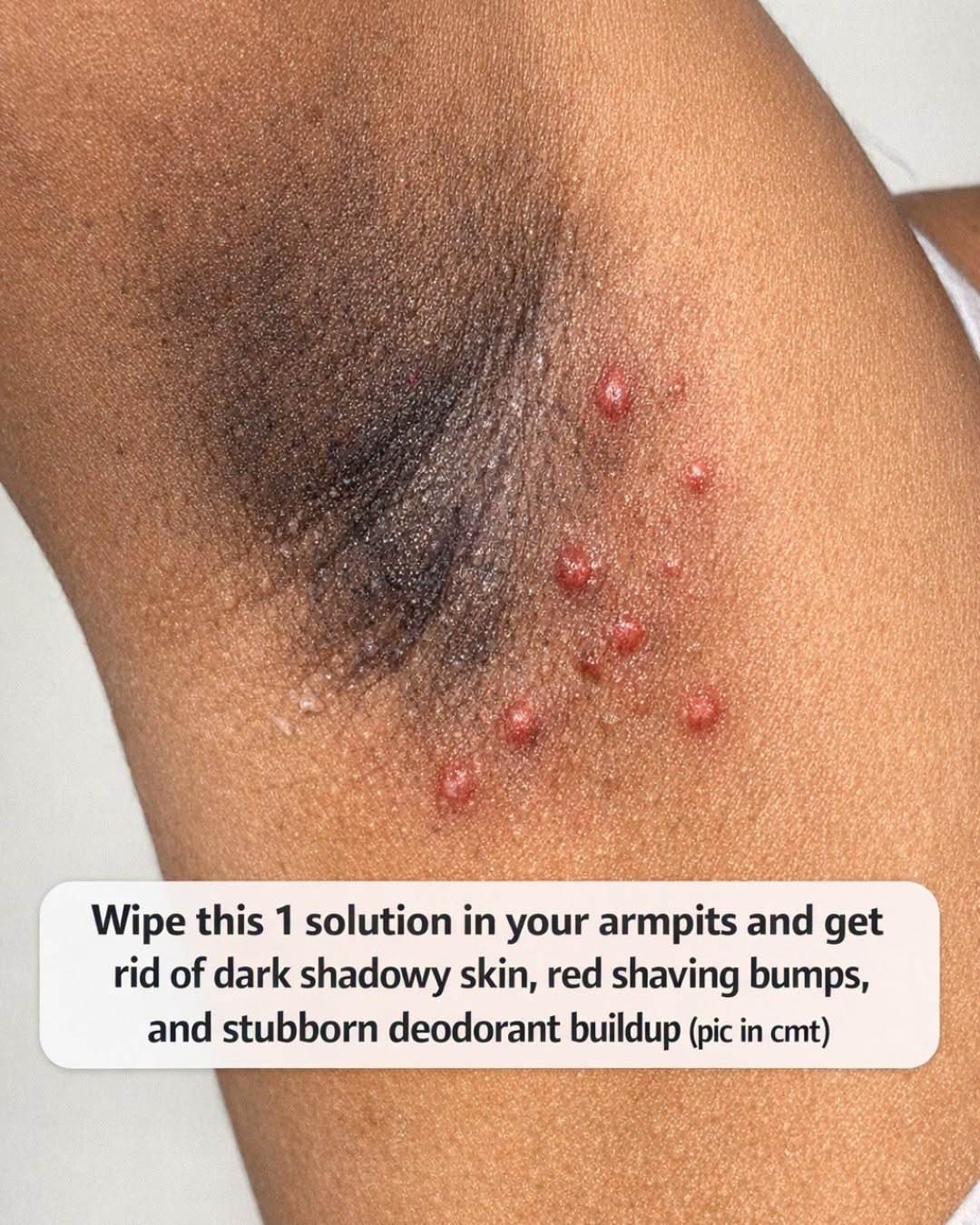
Dark underarms are a common concern that affects people of all ages. For some, the skin appears darker because of frequent shaving, friction, or deodorant residue. Others may notice irritation, razor bumps, or rough skin that makes the underarm area look uneven.
While countless home remedies promise instant results, many lack scientific support and can actually make irritation worse. Ingredients such as lemon juice or baking soda may damage the skin barrier, especially in the sensitive underarm area.
One skincare ingredient that has gained attention for improving skin texture and reducing product build-up is glycolic acid. When used correctly, it can gently exfoliate the skin, helping it appear smoother and more even over time.
In this guide, you’ll learn how glycolic acid works, how to use it safely, who should avoid it, and what other habits can help keep your underarms healthy.
Why Do Underarms Become Dark?
Underarm discoloration rarely has a single cause. Several factors can contribute to darker-looking skin, including:
- Repeated shaving
- Friction from clothing
- Dead skin cell build-up
- Deodorant or antiperspirant residue
- Post-inflammatory hyperpigmentation
- Hormonal changes
- Certain medical conditions
People with darker hair may also notice a grey “shadow” after shaving because the hair remains visible beneath the surface of the skin.
Understanding the cause is important because treatment varies depending on why the discoloration developed.
What Is Glycolic Acid?
Glycolic acid is an alpha hydroxy acid (AHA) commonly used in skincare products.
It works by loosening the bonds between dead skin cells, allowing them to shed more easily. This process encourages smoother skin and may gradually improve uneven skin tone.
Benefits of glycolic acid include:
- Gentle exfoliation
- Smoother skin texture
- Reduced build-up of dead skin cells
- Improved appearance of post-shaving marks
- Better removal of deodorant residue
Unlike harsh physical scrubs, glycolic acid exfoliates chemically without requiring vigorous rubbing.
Can Glycolic Acid Help Dark Underarms?
For many people, yes.
If underarm darkness is caused by friction, dead skin build-up, or irritation from shaving, regular use of a low-strength glycolic acid product may gradually improve the appearance of the skin.
However, glycolic acid is not a skin-bleaching product. It helps support natural skin renewal rather than changing your natural skin colour.
Visible improvements usually develop gradually over several weeks with consistent use.
Does It Help Razor Bumps?
Razor bumps occur when freshly cut hairs become trapped beneath the skin or when hair follicles become irritated after shaving.
Because glycolic acid gently exfoliates around the hair follicle, it may help reduce the likelihood of trapped hairs and improve overall skin texture.
For best results:
- Use a sharp, clean razor.
- Shave after a warm shower.
- Apply shaving cream or gel.
- Avoid pressing too hard with the razor.
- Do not apply glycolic acid immediately after shaving.
Allow the skin time to recover before using exfoliating products.
Removing Deodorant Build-Up
Many deodorants and antiperspirants leave behind a layer of waxes, powders, oils, and other ingredients that can build up over time.
Regular cleansing removes much of this residue, but glycolic acid may help loosen dead skin cells that trap product on the surface.
As the skin renews itself, many people notice that their underarms feel cleaner and smoother.
How to Use Glycolic Acid Safely
If you’re new to glycolic acid, start with a product containing approximately 5% to 7% glycolic acid.
Step-by-Step Guide
- Wash and completely dry your underarms.
- Apply a small amount of glycolic acid using a cotton pad or clean hands, following the product instructions.
- Allow the product to dry before getting dressed.
- Do not rinse unless directed by the product label.
Always begin slowly to see how your skin responds.
How Often Should You Use It?
Avoid using glycolic acid every day when first starting.
A gradual schedule works best:
Weeks 1–2
- Use twice each week.
Weeks 3–4
- If no irritation develops, increase to three times weekly.
After One Month
- Some people tolerate every other night, while others achieve good results using it only two or three times a week.
More frequent use is not necessarily better and may increase irritation.
Perform a Patch Test First
Before applying glycolic acid to both underarms, perform a patch test.
Apply a small amount to one area and wait 24–48 hours.
Do not continue using the product if you experience:
- Severe burning
- Swelling
- Persistent redness
- Blistering
- Peeling that continues beyond mild dryness
A brief, mild tingling sensation may occur, but significant discomfort is not normal.
Ingredients You Shouldn’t Combine
Avoid applying glycolic acid together with other potentially irritating products on the same area, including:
- Retinoids
- Benzoyl peroxide
- Strong salicylic acid treatments
- Physical exfoliating scrubs
- Lemon juice
- Baking soda
- Hydrogen peroxide
Combining multiple exfoliating ingredients increases the risk of skin irritation.
Moisturising Matters
Exfoliation works best when the skin barrier remains healthy.
On days you are not using glycolic acid, apply a gentle moisturiser containing ingredients such as:
- Glycerin
- Ceramides
- Petrolatum
- Squalane
Keeping the skin hydrated may reduce irritation and improve overall comfort.
When Dark Underarms May Indicate a Medical Condition
Not every case of underarm discoloration is caused by shaving or deodorant.
Seek medical advice if you notice:
- Thick, velvety dark patches
- Rapidly developing discoloration
- Skin changes affecting the neck or groin
- Persistent itching or pain
- Open sores or recurrent boils
These changes may be associated with conditions such as insulin resistance, hormonal disorders, skin diseases, or other medical problems that require professional evaluation.
Tips for Healthier Underarm Skin
- Keep the area clean and dry.
- Wear loose, breathable clothing.
- Replace razor blades regularly.
- Avoid heavily fragranced products if they cause irritation.
- Moisturise after shaving once the skin has settled.
- Be patient—healthy skin changes gradually.
Frequently Asked Questions
Can glycolic acid lighten dark underarms?
It may improve discoloration caused by dead skin build-up and post-inflammatory pigmentation, but it does not bleach the skin.
How long does it take to see results?
Some people notice smoother skin within two weeks, while improvements in skin tone may take six to twelve weeks.
Can I use glycolic acid after shaving?
No. Wait until the skin has recovered, usually at least 24 hours, to reduce the risk of irritation.
Is glycolic acid safe for sensitive skin?
Some people with sensitive skin can use low-strength glycolic acid successfully, but patch testing is essential.
Should I stop if my skin becomes irritated?
Yes. Discontinue use and allow your skin to recover. If irritation persists, seek advice from a healthcare professional.
Final Thoughts
Glycolic acid can be a helpful addition to an underarm skincare routine when used correctly. By gently exfoliating the skin, it may reduce dead skin build-up, improve skin texture, lessen razor bumps, and gradually minimise uneven pigmentation caused by irritation.
However, consistency is more important than aggressive treatment. Start slowly, moisturise regularly, avoid applying acids to freshly shaved or broken skin, and remember that not all underarm discoloration has a cosmetic cause. If changes are sudden, severe, or accompanied by other symptoms, consult a healthcare professional for an accurate diagnosis.
Healthy underarm skin is usually the result of gentle care, patience, and choosing products that support—not damage—the skin barrier.