
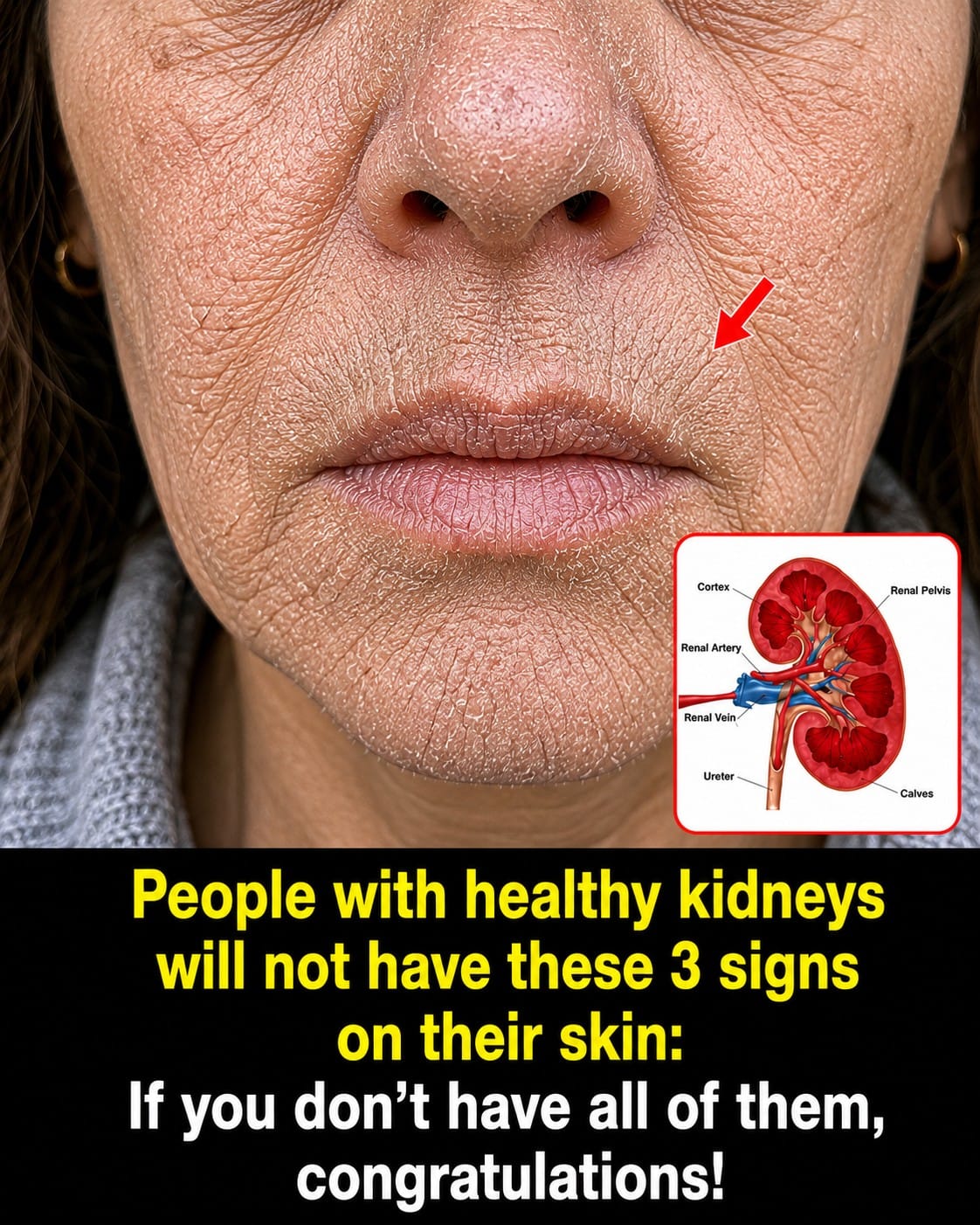
You wake up one morning and notice your skin feels tight and flaky even after your usual moisturizer routine. Over the next few weeks, an unexplained itch starts bothering you at night, and soon your complexion looks duller and slightly yellowish—no matter how much sleep or water you get. These small changes might feel like normal aging or stress, but they can quietly point to something deeper going on inside your body. What’s frustrating is how easily we brush them off, only to discover later they were early clues your kidneys were struggling to maintain balance. The good news? Spotting these signs early can give you the power to take simple, supportive steps that promote overall wellness—and there’s one surprising connection most people miss until they reach the end of this article.
How Your Kidneys and Skin Stay Connected
Your kidneys work nonstop as the body’s natural filters, removing waste, balancing fluids, and keeping minerals in check. When they function well, your skin often reflects that inner balance with a healthy glow and comfortable feel. But when kidney performance shifts even slightly, waste buildup and mineral changes can show up right on your skin. Research from organizations like the American Academy of Dermatology and the National Kidney Foundation shows these skin changes are surprisingly common in people with declining kidney function.
But here’s the thing: these signs don’t appear overnight. They creep in gradually, often mistaken for dry winter skin or allergies. That’s why paying attention now matters—before they affect your comfort or confidence.
The 3 Skin Signs Healthy Kidneys Typically Avoid
Healthy kidneys help prevent certain noticeable skin changes by keeping toxins low and fluids balanced. Here are the three most common signs that healthy kidneys will not have. If you spot any of them, it’s worth taking a closer look at your overall habits and talking with your doctor.
1. Extremely Dry and Rough Skin
One of the first clues many people notice is skin that feels unusually dry, rough, or even scaly—no matter how much lotion you apply. This happens because kidneys play a key role in regulating fluid and mineral levels. When that balance shifts, skin loses moisture faster than usual.
Studies link this dryness to the mineral and bone changes that can accompany reduced kidney function. Your skin may feel tight across the arms, legs, or back, and it might flake more easily. It’s not just uncomfortable; it can make everyday activities like showering feel irritating.
What’s interesting is how quickly this sign can appear even before other symptoms. But that also means it’s one of the easiest to notice and address early.
2. Persistent Itchy Skin (Without an Obvious Rash)
If you find yourself scratching without a clear reason—especially at night or after a warm shower—you’re not alone. Persistent itching, known medically as pruritus, ranks high among skin changes tied to kidney health. Toxins that healthy kidneys would normally filter can build up and irritate nerve endings in the skin.
According to health experts, this itch can range from mild annoyance to something that disrupts sleep and daily life. It often affects the back, arms, or legs and may worsen with heat or stress. The surprising part? Many people try creams or antihistamines without relief because the root cause lies deeper inside.
Here’s why this matters: catching persistent itch early lets you connect the dots between your skin and internal balance before it becomes more bothersome.
3. Sallow or Yellowish Skin Discoloration
A third sign healthy kidneys usually avoid is a dull, sallow, or slightly yellowish tint to the skin. This isn’t the bright yellow of jaundice but a subtle, unhealthy pallor that makeup struggles to cover. It often stems from changes in red blood cell production or waste buildup that affects skin tone.
Health organizations note this color shift can appear alongside fatigue because kidneys help support healthy blood cells. When they work less efficiently, skin can lose its natural vibrancy and take on a tired look. Many people first notice it on the face or hands and assume it’s just lack of sun or poor diet.
But wait—there’s more to this story. These three signs often appear together, creating a pattern that’s hard to ignore once you know what to look for.
Quick Comparison: Normal Skin Changes vs. Potential Kidney-Related Signs
- Dryness → Occasional winter dryness vs. Persistent roughness despite moisturizing
- Itching → Temporary reaction to a product vs. Constant, deep itch without rash
- Color → Temporary pallor from tiredness vs. Ongoing sallow or yellowish tint
Seeing any of these lasting more than a couple of weeks is worth noting.
Why These Skin Signs Matter for Your Wellness
The connection between skin and kidneys runs deeper than most realize. When kidneys can’t filter waste effectively, those toxins circulate longer and can affect skin hydration, nerve sensitivity, and even pigmentation. Research shows up to 50-80% of people with advanced kidney concerns experience dry or itchy skin, making early awareness incredibly valuable.
The encouraging news? Your skin often responds positively to supportive daily habits. Many people see improvement in comfort and appearance simply by focusing on hydration, nutrition, and gentle care—steps that also promote kidney wellness.
Actionable Tips You Can Start Today
You don’t need complicated routines to support your skin and kidneys. Here are practical, step-by-step habits that fit easily into busy days:
- Stay hydrated consistently – Aim for plain water throughout the day (your doctor can tell you the right amount for you). Drink a glass first thing in the morning and sip steadily instead of gulping large amounts at once.
- Choose gentle skincare – Switch to fragrance-free, hypoallergenic moisturizers and apply them right after bathing while skin is still damp to lock in moisture. Avoid hot showers that strip natural oils.
- Support your diet – Include foods rich in antioxidants and omega-3s like berries, leafy greens, fatty fish (if appropriate for your health), and nuts. Limit processed foods and excess salt to help reduce fluid retention.
- Track patterns – Keep a simple journal of skin changes alongside water intake, sleep, and meals for a week. This helps you spot what makes symptoms better or worse.
- Move gently every day – A 20-minute walk promotes circulation without strain, helping your body feel more balanced overall.
- Protect your skin – Wear loose, breathable clothing and apply sunscreen daily to prevent further irritation.
These small changes often bring noticeable relief within weeks. But the real power comes when you combine them with professional guidance.
When to Talk With Your Doctor
If these skin signs persist despite basic self-care, or if you notice other changes like swelling, fatigue, or changes in urination, schedule a check-up. Simple blood and urine tests can give clear answers about kidney function. Early conversations with your healthcare provider bring peace of mind and personalized next steps.
Final Thoughts: Listen to What Your Skin Is Telling You
Your skin isn’t just a covering—it’s a window into how your body is doing on the inside. Those three signs—extremely dry rough skin, persistent itching, and sallow discoloration—are reminders that healthy kidneys keep things balanced behind the scenes. By noticing them early and taking supportive steps, you’re giving your body the attention it deserves.
The surprising truth most people discover? Small daily habits focused on hydration, gentle care, and balanced nutrition can make a real difference in how your skin feels and looks. You don’t have to wait for bigger problems to act. Start paying attention today, and you might be amazed at how much better you feel tomorrow.
FAQ
1. Can dry or itchy skin alone mean kidney problems?
Not always—many factors like weather, allergies, or skincare products can cause similar symptoms. However, when the issues persist despite normal care, it’s smart to check with your doctor to rule out other causes.
2. Will these skin signs go away if I drink more water and eat better?
Many people notice real improvements in skin comfort with better hydration and nutrition. Still, results vary, so professional evaluation ensures you’re addressing the right root cause.
3. How often should I check my skin for these signs?
Once a week is enough—look in good lighting after your morning routine. Consistency helps you catch gradual changes before they become more noticeable.
Disclaimer: This article is for informational and educational purposes only. It is not intended as medical advice, diagnosis, or treatment. Always consult a qualified healthcare professional for personalized guidance regarding your health concerns. Individual results may vary.