HPV Explained: Symptoms, Risks, Prevention, Treatment & What Happens If You Sleep With Someone Who Has HPV
HPV Explained: Symptoms, Risks, Prevention, Treatment & What Happens If You Sleep With Someone Who Has HPV
Introduction
Human papillomavirus (HPV) is one of the most common sexually transmitted infections (STIs) worldwide. Millions of people become infected with HPV every year, and most never know they have it because the virus often causes no symptoms. Although HPV is very common, many people still have questions about how it spreads, whether it is dangerous, and what happens if you sleep with someone who has HPV.
The good news is that most HPV infections clear naturally within one to two years without causing serious health problems. However, some types of HPV can cause genital warts, while others may increase the risk of cancers such as cervical, anal, penile, throat, vaginal, and vulvar cancer. Understanding HPV, recognising the risks, and taking preventive steps can help protect your long-term health.
This guide explains everything you need to know about HPV, including symptoms, transmission, treatment, prevention, vaccination, and healthy lifestyle habits.
What Is HPV?
Human papillomavirus (HPV) is a group of more than 200 related viruses. Around 40 types can infect the genital area, mouth, and throat through intimate skin-to-skin contact.
HPV is divided into two main groups:
- Low-risk HPV: Can cause genital warts but usually does not lead to cancer.
- High-risk HPV: Can cause abnormal cell changes that may develop into cancer if they are not detected and treated.
Most people who become infected with HPV never develop symptoms, making regular health check-ups especially important.
HPV Symptoms
Many people with HPV have no symptoms at all.
When symptoms do occur, they may include:
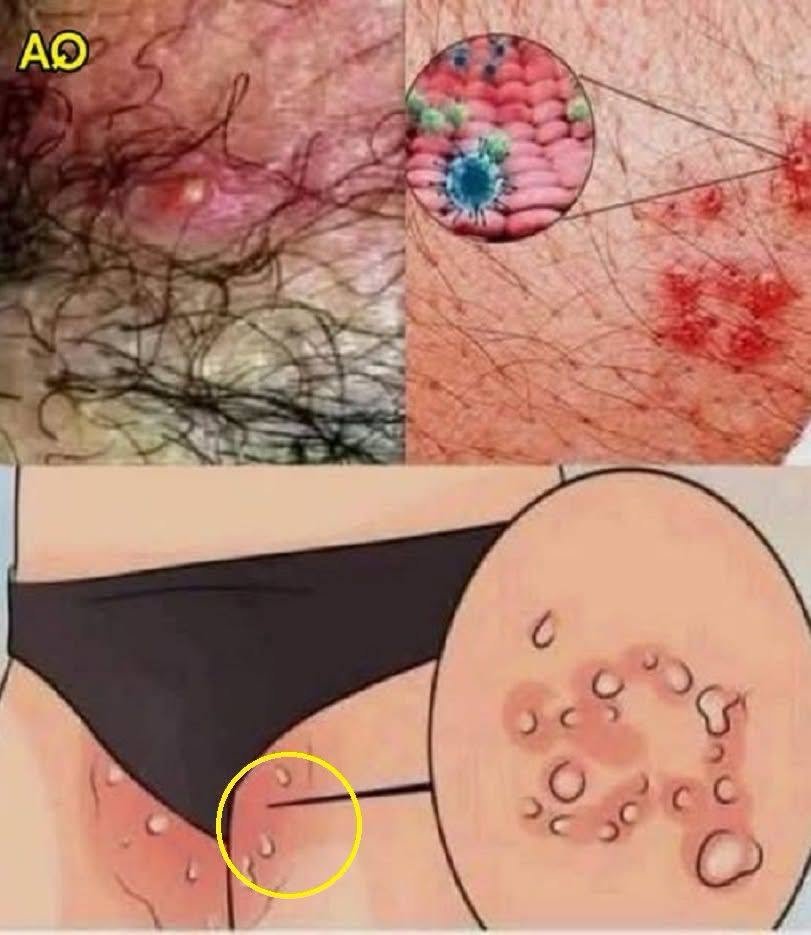
- Small genital warts
- Warts around the anus
- Warts in the mouth or throat (less common)
- Abnormal cervical screening results
- Persistent sore throat or difficulty swallowing in rare HPV-related throat cancers
Because symptoms are often absent, many people unknowingly pass HPV to their partners.
What Happens If You Sleep With Someone Who Has HPV?
Finding out that a partner has HPV can feel worrying, but there is usually no need to panic.
If you have sex with someone who has HPV:
- You may be exposed to the virus.
- Exposure does not mean you will definitely become infected.
- Even if you become infected, your immune system will often clear the virus naturally within one to two years.
- Many people never develop symptoms or health complications.
However, if the virus remains in the body for many years, some high-risk HPV types can cause abnormal cell changes that may eventually lead to cancer. This is why vaccination, regular screening, and routine healthcare are important.
How HPV Spreads
HPV spreads mainly through intimate skin-to-skin contact.
Common ways HPV is transmitted include:
- Vaginal sex
- Anal sex
- Oral sex
- Genital-to-genital skin contact
Unlike some other infections, HPV does not require penetration to spread.
Health Risks of HPV
HPV in Women
Women with persistent high-risk HPV infection may have an increased risk of:
- Cervical cancer
- Vaginal cancer
- Vulvar cancer
- Genital warts
- Abnormal cervical cell changes
Regular cervical screening can detect abnormal cells before they become cancer.
HPV in Men
HPV can also affect men.
Possible complications include:
- Genital warts
- Penile cancer (rare)
- Anal cancer
- Oropharyngeal (throat) cancer
Men often have no symptoms, making awareness and vaccination important.
HPV Diagnosis
Doctors diagnose HPV in different ways depending on the situation.
Diagnosis may involve:
- Cervical screening (Pap test)
- HPV DNA testing
- Physical examination of genital warts
- Biopsy of abnormal tissue when necessary
Currently, there is no routine HPV screening test recommended for most men.
HPV Treatment
There is no medicine that removes HPV itself. Treatment focuses on managing the health problems HPV may cause.
Treatment options include:
- Prescription creams for genital warts
- Cryotherapy (freezing warts)
- Laser treatment
- Minor surgical procedures
- Treatment of abnormal cervical cells when needed
Most HPV infections disappear naturally without treatment.
HPV Prevention
1. Get the HPV Vaccine
The HPV vaccine is one of the most effective ways to prevent infection from the HPV types responsible for most HPV-related cancers and genital warts.
Vaccination is routinely recommended for:
- Children aged 11–12 years
- Teenagers
- Young adults who have not previously been vaccinated
- Some adults up to age 45 after discussing the benefits with a healthcare professional
2. Practise Safer Sex
Although condoms cannot completely prevent HPV transmission, they reduce the risk.
Helpful practices include:
- Using condoms consistently
- Using dental dams during oral sex
- Limiting the number of sexual partners
- Having open conversations about sexual health
3. Attend Regular Health Screenings
Routine healthcare helps identify problems early.
Women should attend recommended cervical screening appointments, while anyone with unusual symptoms such as genital warts or persistent sores should seek medical advice promptly.
Healthy Lifestyle and Immune Health
A healthy lifestyle supports your immune system, which helps your body clear HPV naturally.
Healthy habits include:
- Eating plenty of fruits and vegetables
- Choosing lean protein
- Exercising regularly
- Getting enough sleep
- Managing stress
- Avoiding smoking
- Limiting alcohol consumption
Although a healthy lifestyle supports overall immunity, no specific food or supplement has been proven to cure HPV.
Common Myths About HPV
Myth: Only women need to worry about HPV.
Fact: HPV affects both men and women.
Myth: HPV always causes cancer.
Fact: Most HPV infections never become cancer.
Myth: HPV always causes symptoms.
Fact: Most people have no symptoms.
Myth: HPV means someone has been unfaithful.
Fact: HPV can remain dormant for years before being detected.
Frequently Asked Questions
Can you get HPV from one sexual partner?
Yes. HPV can be transmitted during a single sexual encounter.
Can HPV disappear naturally?
Yes. Most infections clear naturally within one to two years.
Can you have a normal relationship if you have HPV?
Yes. Many couples continue to have healthy relationships. Honest communication and appropriate medical care can help partners make informed decisions together.
Can HPV be cured?
There is no cure for the virus itself, but healthcare professionals can treat genital warts and abnormal cell changes caused by HPV.
Is the HPV vaccine worth getting?
For many people, vaccination provides strong protection against the HPV types that cause most HPV-related cancers and genital warts. Discuss your eligibility with a healthcare professional.
Final Thoughts
HPV is extremely common and, in most cases, does not lead to serious health problems. Learning about how the virus spreads, recognising its risks, getting vaccinated when eligible, attending recommended screenings, and maintaining a healthy lifestyle can significantly reduce the chances of long-term complications.
Rather than responding with fear or stigma, the best approach is to stay informed, look after your health, and seek medical advice if you have questions or concerns. With knowledge, prevention, and regular healthcare, most people can manage HPV confidently and protect their long-term well-being.