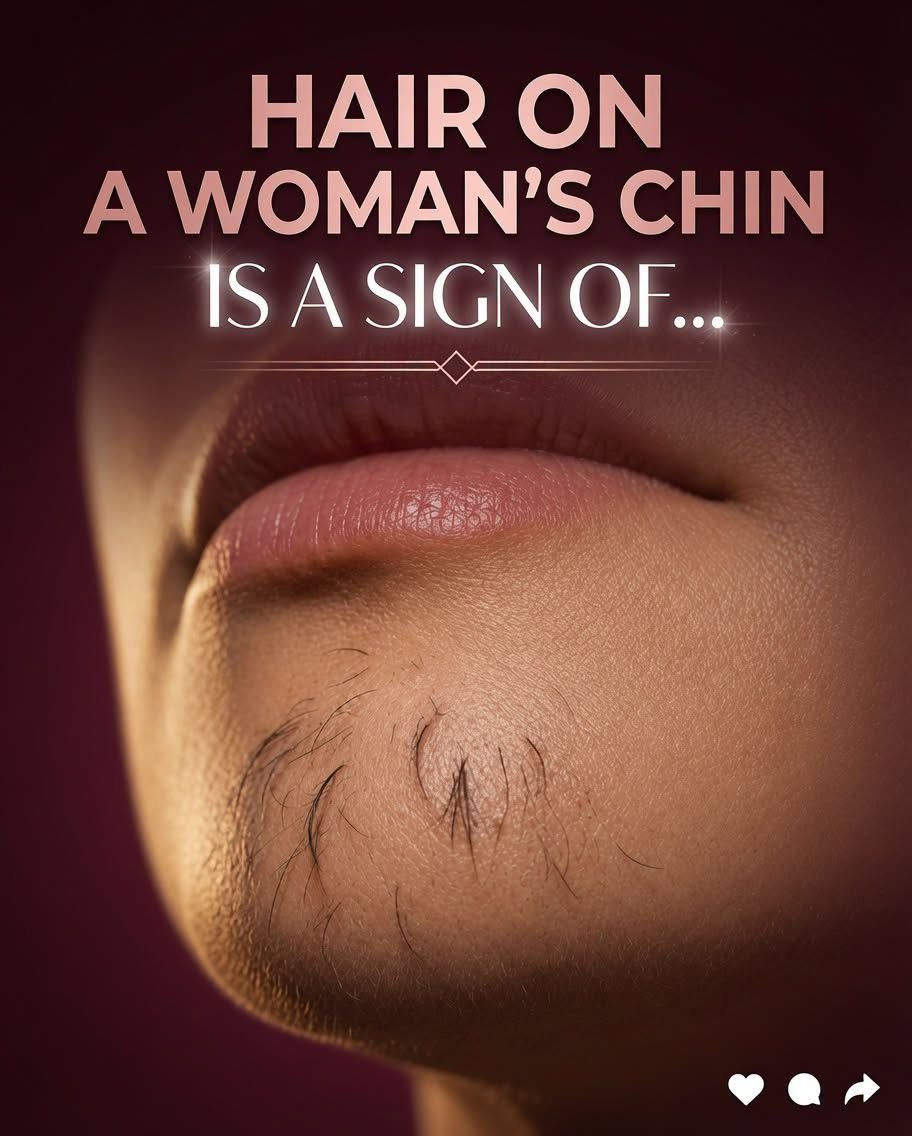
# Why Women Get Chin Hair: Hormonal Causes, PCOS, Menopause & When to See a Doctor
**Noticing Dark Chin Hairs? Here’s What They Could Mean About Your Hormones**
Finding one or more dark chin hairs can be surprising, but it’s much more common than many women realise. In most cases, occasional facial hair is a normal part of **ageing**, **genetics**, or natural **hormonal changes**.
However, if chin hair suddenly becomes thicker, grows rapidly, or appears alongside other symptoms, it may be a sign of an underlying **hormonal imbalance** that should be evaluated by a qualified **healthcare provider**.
Understanding the possible causes can help you decide when it’s time to seek **medical advice** and what treatment options may be available.
# Why Do Women Grow Chin Hair?
Facial hair growth is largely influenced by **androgens**, a group of hormones that includes **testosterone**.
Although testosterone is often considered a male hormone, women naturally produce small amounts that play important roles in:
* Muscle strength
* Bone health
* Energy levels
* Sexual health
* Normal body functions
When androgen levels increase—or when hair follicles become more sensitive to these hormones—women may develop thicker, darker hair on the:
* Chin
* Upper lip
* Jawline
* Chest
* Lower abdomen
This pattern of excessive hair growth is known medically as **hirsutism**.
# Polycystic Ovary Syndrome (PCOS)
One of the most common medical causes of excessive facial hair in women is **Polycystic Ovary Syndrome (PCOS)**.
PCOS is a hormonal disorder that affects millions of women during their reproductive years and is frequently associated with **insulin resistance**, irregular ovulation, and elevated androgen levels.
Common symptoms include:
* Excess facial hair
* Irregular or missed periods
* Acne
* Weight gain
* Difficulty losing weight
* Thinning scalp hair
* Fertility problems
Not every woman with PCOS experiences all of these symptoms, but persistent chin hair can sometimes be an early warning sign.
# Menopause and Hormonal Changes
Many women first notice chin hairs becoming more noticeable during **menopause**.
As oestrogen levels naturally decline, the balance between oestrogen and testosterone changes. Even when testosterone remains within the normal range, lower oestrogen allows androgen effects to become more noticeable.
This may result in:
* Coarse chin hairs
* Increased upper-lip hair
* Thinning scalp hair
* Changes in skin texture
For many women, these changes are simply a normal part of ageing.
# Genetics Can Play a Major Role
Not every case of chin hair is caused by a medical condition.
Some women naturally inherit hair follicles that are more sensitive to normal hormone levels. This is known as **idiopathic hirsutism**.
If your mother, sisters, or grandmother also developed facial hair with age, genetics may be the primary reason.
In these cases:
* Hormone levels are often normal.
* Menstrual cycles remain regular.
* Overall health is unaffected.
# Medications That May Increase Facial Hair
Certain medicines may cause increased hair growth as a side effect, including:
* Anabolic steroids
* Minoxidil
* Some hormone therapies
* Certain prescription medications that affect hormone balance
Never stop taking prescribed medication without speaking to your doctor or healthcare provider.
-# Rare Hormonal Conditions
Although uncommon, excessive facial hair may occasionally be caused by conditions affecting hormone production, including:
* Cushing syndrome
* Adrenal gland disorders
* Rare ovarian tumours
* Rare adrenal tumours
These conditions usually produce additional symptoms, such as:
* Rapid weight gain
* Muscle weakness
* Easy bruising
* Deepening of the voice
* Significant menstrual changes
Sudden or rapidly progressing symptoms should always be assessed by a healthcare professional.
# When Should You See a Doctor?
Occasional chin hairs are usually harmless, but arrange a **medical consultation** if you notice:
* Sudden or rapid facial hair growth
* Thick, coarse hair appearing quickly
* Irregular or absent periods
* Severe acne
* Hair thinning on the scalp
* Deepening voice
* Unexplained weight changes
A **healthcare provider**, **gynaecologist**, or **endocrinologist** may recommend blood tests to evaluate hormone levels and identify any underlying condition.
# Can Chin Hair Be Treated?
Yes. Treatment depends on the underlying cause.
Common treatment options include:
* Tweezing
* Threading
* Waxing
* Laser hair removal
* Electrolysis
* Prescription medications
* Treatment of PCOS or other hormonal disorders
A personalised treatment plan from a qualified healthcare professional usually provides the best long-term results.
# Frequently Asked Questions
## Is it normal for women to have chin hairs?
Yes. Many women develop occasional chin hairs as they get older. Ageing and genetics are among the most common causes.
## Does menopause cause facial hair?
Yes. Hormonal changes during menopause can make facial hair more noticeable in some women.
## Does every woman with chin hair have PCOS?
No. Chin hair can result from genetics, ageing, medications, menopause, or other hormonal conditions. PCOS is only one possible cause.
## Should I worry about a few chin hairs?
Usually not. A few isolated hairs are common. However, sudden or excessive hair growth with other symptoms should be evaluated by a healthcare provider.
## Can hormone-related facial hair be treated?
Yes. Depending on the diagnosis, treatment may include cosmetic hair removal, prescription medication, or management of an underlying hormonal disorder.
# You May Also Like
* Early Signs of PCOS Every Woman Should Know
* Symptoms of Hormonal Imbalance in Women
* Understanding Menopause and Hormonal Changes
* Causes of Irregular Periods
* Signs of Insulin Resistance
* Women’s Hormone Health Guide
# Final Thoughts
Finding a few dark chin hairs is often a normal part of ageing or genetics and is usually **not** a cause for concern. However, if facial hair begins growing rapidly, becomes significantly thicker, or appears with symptoms such as irregular periods, acne, scalp hair loss, or voice changes, it may indicate an underlying **hormonal imbalance**.
Seeking advice from a qualified **healthcare provider** can help identify the cause through appropriate **medical evaluation** and, if needed, **hormone testing**. Whether the cause is **PCOS**, menopause, medication, or genetics, effective treatment options are available.
Understanding your body’s changes is the first step towards protecting your long-term **women’s health** and overall well-being.