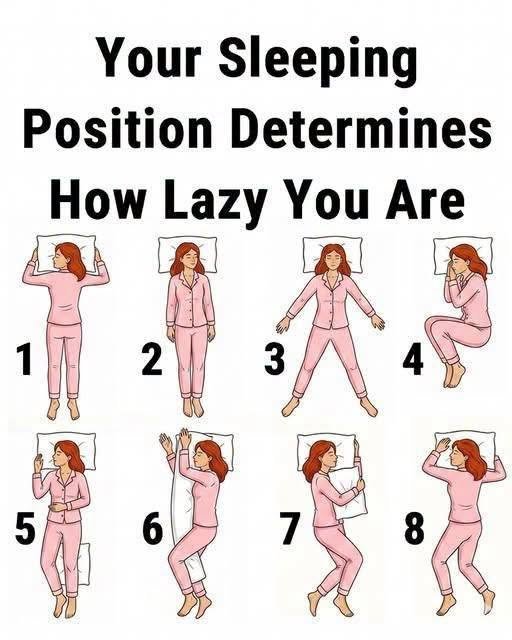
Discover What Your Sleep Position Reveals About Your Personality
What Does Your Sleep Position Say About You?
Have you ever wondered whether the way you sleep reflects your personality? From curling into a fetal position to stretching out like a starfish, your favourite sleeping posture may offer interesting insights into your habits, emotional tendencies, and lifestyle.
While there is no scientific proof that sleep positions can accurately predict personality, psychologists and sleep health experts have long been fascinated by the connection between body language, comfort preferences, and behavioural patterns.
More importantly, your sleep position can affect sleep quality, breathing, spinal alignment, and your overall health and wellness.
1. The Arms-Up Sleeper 🙌
How You Sleep
You lie on your back with both arms raised above your head or resting near your pillow.
What It May Reveal
People who prefer this position are often described as:
- Open-minded
- Confident
- Curious
- Independent
- Optimistic
You may enjoy exploring new ideas, meeting different people, and adapting to change without becoming overwhelmed. Many arms-up sleepers appear relaxed while maintaining an active and creative mind.
2. The Straight Back Sleeper 🛏️
How You Sleep
You sleep flat on your back with your arms resting comfortably at your sides.
Personality Traits
This sleep posture is commonly linked with:
- Discipline
- Reliability
- Organisation
- Self-control
- Responsibility
You probably enjoy routines, planning ahead, and solving problems logically. Friends and colleagues may see you as dependable, calm, and goal-oriented.
3. Side Sleeping & the Fetal Position 😴
The Casual Side Sleeper
How You Sleep
You rest comfortably on one side with relaxed arms and legs.
Personality Insights
Casual side sleepers are often:
- Easy-going
- Emotionally balanced
- Friendly
- Practical
- Adaptable
You likely know how to balance work, relationships, and personal well-being while remaining calm under pressure.
The Fetal Position
How You Sleep
You curl your knees toward your chest while sleeping on your side.
What It May Reveal
This popular sleep position is often associated with:
- Emotional sensitivity
- Empathy
- Loyalty
- Introversion
- Thoughtfulness
Although you may appear reserved at first, you often build deep and meaningful relationships once trust develops.
4. The Starfish Sleeper ⭐
How You Sleep
You stretch out across the bed with your arms and legs comfortably spread.
Personality Traits
Starfish sleepers are frequently described as:
- Independent
- Self-confident
- Authentic
- Relaxed
- Open-minded
You value freedom, personal space, and living life on your own terms without feeling restricted.
5. The Pillow Hugger 🤍
How You Sleep
You cuddle a pillow, blanket, or soft object throughout the night.
What It May Reveal
Pillow huggers are commonly associated with:
- Compassion
- Loyalty
- Emotional warmth
- Nurturing behaviour
- Strong relationships
You naturally provide comfort and emotional support to the people around you.
6. The Half-Turn Sleeper 🔄
How You Sleep
You frequently change positions during the night.
Personality Traits
People who move around while sleeping are often:
- Flexible
- Curious
- Energetic
- Adaptable
- Resilient
Your ability to adjust quickly may help you thrive in changing environments and manage life’s unexpected challenges.
What Do Sleep Experts Say?
Although personality interpretations are entertaining, scientific evidence linking sleep position directly to personality remains limited.
However, sleep posture does have a significant impact on your physical health.
Research shows that sleeping position may influence:
- Sleep quality
- Breathing
- Snoring
- Neck and back pain
- Blood circulation
- Spinal alignment
For example:
- Side sleeping may reduce snoring and improve breathing.
- Back sleeping can worsen sleep apnea in some individuals.
- Fetal sleeping may relieve pressure on the spine.
- Stomach sleeping can increase neck and shoulder strain.
If you experience chronic snoring, poor sleep, or excessive daytime fatigue, a sleep specialist or healthcare provider may recommend a sleep study to identify underlying sleep disorders.
The Secret to Better Sleep
Regardless of your sleeping position, healthy sleep habits have a much greater impact on your overall well-being.
Improve your sleep health by:
- Following a consistent bedtime routine
- Limiting screen time before bed
- Reducing stress and anxiety
- Creating a cool, quiet sleeping environment
- Choosing a supportive mattress and pillow
- Getting 7–9 hours of quality sleep each night
Healthy sleep supports:
- Brain function
- Mental health
- Emotional balance
- Immune system strength
- Heart health
- Long-term wellness
Frequently Asked Questions
What is the most common sleep position?
Side sleeping is the most common sleeping position worldwide.
Does sleep position determine personality?
No. There is no strong scientific evidence proving that sleeping position predicts personality. Most theories are based on observational psychology and entertainment rather than medical research.
Which sleeping position is healthiest?
Many sleep experts recommend side sleeping because it may improve breathing, reduce snoring, and support healthy spinal alignment.
Why do people change positions during sleep?
Changing position is completely normal. It helps relieve pressure, improve circulation, and maintain comfort throughout the night.
When should I see a doctor about my sleep?
If you experience loud snoring, insomnia, breathing pauses during sleep, or persistent daytime tiredness, seek a medical consultation with a sleep clinic or qualified healthcare provider.
Final Thoughts
Your favourite sleep position may reveal interesting personality tendencies, but it does not define who you are.
Whether you sleep like a starfish, curl into the fetal position, hug a pillow, or constantly change positions, the most important goal is achieving healthy, restorative sleep.
Prioritising good sleep hygiene, seeking professional advice for ongoing sleep disorders, and maintaining a healthy lifestyle can improve both your physical and mental well-being.
Sleep well, take care of your health, and wake up ready to enjoy each new day.