Cervical Cancer: Causes, Symptoms, Risk Factors & Prevention Guide
Posted by Mr. Yasser | June 14, 2026
Cervical cancer is one of the most preventable forms of cancer, yet it continues to affect hundreds of thousands of women worldwide each year. Thanks to advances in HPV vaccination, cervical cancer screening, and early medical diagnosis, many cases can be prevented or detected before they become life-threatening.
Understanding the causes, symptoms, and prevention methods can help protect your long-term health and encourage timely medical consultation when needed.
What Is Cervical Cancer?
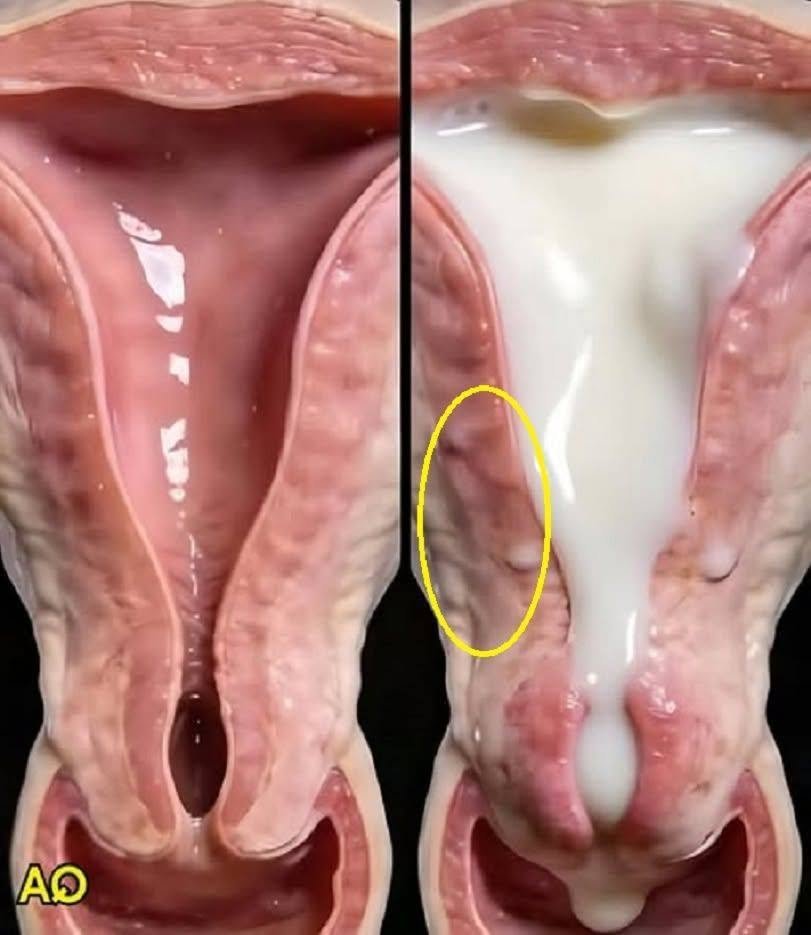
Cervical cancer develops in the cervix, the lower portion of the uterus that connects to the vagina. It usually develops slowly over several years, beginning with abnormal cell changes that can be detected through routine Pap smear tests and HPV screening.
Early detection greatly improves treatment success and survival rates.
What Causes Cervical Cancer?
The leading cause of cervical cancer is a long-term infection with high-risk Human Papillomavirus (HPV), particularly HPV-16 and HPV-18.
HPV is a common virus spread through sexual contact. In most people, the immune system naturally clears the infection. However, when high-risk HPV remains in the body for many years, it can cause abnormal cervical cells that may eventually develop into cancer.
Regular women’s health screenings, medical checkups, and timely healthcare services are essential for early detection.
Major Risk Factors
Several factors can increase the risk of developing cervical cancer, including:
- Persistent infection with high-risk HPV
- Having multiple sexual partners
- Becoming sexually active at a young age
- Smoking or tobacco use
- A weakened immune system
- Long-term untreated HPV infection
- Not receiving regular Pap smear or HPV tests
- Limited access to preventive healthcare
Understanding these risk factors allows women to make informed healthcare decisions.
Symptoms of Cervical Cancer
Early-stage cervical cancer often causes no noticeable symptoms, making regular screening extremely important.
As the disease progresses, symptoms may include:
- Unusual vaginal bleeding between periods
- Bleeding after sexual intercourse
- Bleeding after menopause
- Heavy or prolonged menstrual bleeding
- Abnormal vaginal discharge
- Pelvic pain
- Lower abdominal discomfort
- Pain during sexual intercourse
Anyone experiencing these symptoms should schedule a medical consultation with a qualified gynaecologist or healthcare provider as soon as possible.
How to Prevent Cervical Cancer
Cervical cancer is one of the few cancers that can often be prevented through simple preventive healthcare measures.
Protect Yourself By:
- Receiving the HPV vaccine (Gardasil 9) if recommended
- Getting regular Pap smear tests
- Completing routine HPV screening
- Practising safer sex
- Avoiding smoking and tobacco products
- Maintaining a healthy immune system through proper nutrition and exercise
- Attending regular women’s health checkups
Preventive healthcare is far less costly and more effective than treating advanced disease.
Why Early Detection Is So Important
When cervical cancer is detected early, treatment outcomes are excellent. Early-stage diagnosis can result in survival rates exceeding 80–90%.
Routine cervical cancer screening allows doctors to identify abnormal cervical cells before they become cancerous, making treatment simpler, safer, and more successful.
Regular visits to a healthcare provider can literally save lives.
Frequently Asked Questions
Is cervical cancer preventable?
Yes. Most cervical cancer cases can be prevented through HPV vaccination, routine Pap smears, HPV testing, and healthy lifestyle choices.
Who should get screened?
Women should follow the cervical screening guidelines recommended in their country and consult their healthcare provider about the appropriate schedule.
Does HPV always cause cervical cancer?
No. Most HPV infections disappear naturally. Only persistent infections with high-risk HPV types may lead to cervical cancer.
Can cervical cancer be cured?
When diagnosed early, cervical cancer is highly treatable with modern medical care.
Final Thoughts
Cervical cancer remains one of the most preventable cancers thanks to advances in HPV vaccination, medical screening, and early diagnosis.
Regular Pap smear tests, timely medical consultation, and access to quality healthcare services significantly reduce the risk of developing advanced cervical cancer.
By staying informed, attending routine health checkups, and following preventive medical advice, women can protect their health and improve their chances of early detection and successful treatment.
Your health matters. Early screening today can save your life tomorrow.