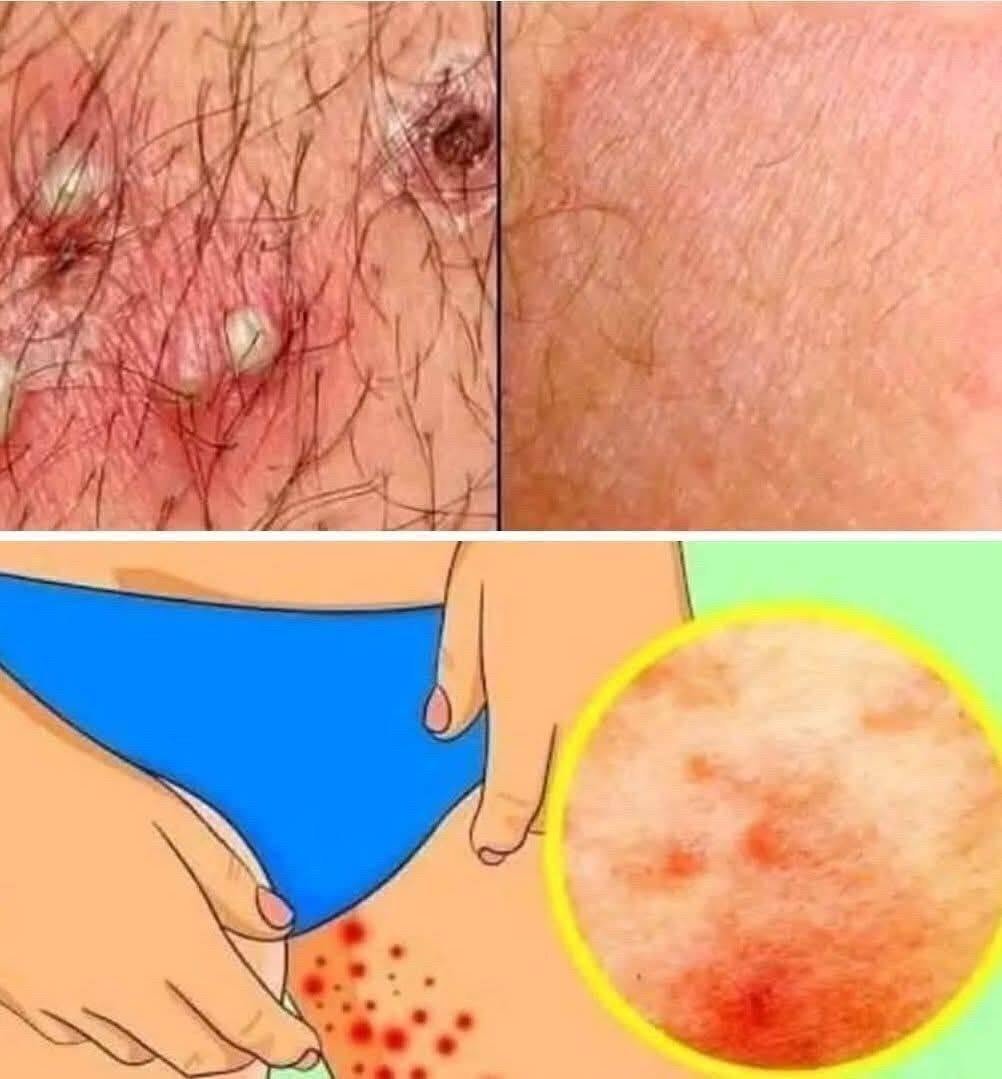
When Should You See a Doctor for an Ingrown Hair?
Although most ingrown hairs are harmless and improve with proper home care, certain symptoms may indicate a more serious skin condition that requires medical evaluation. Seeking advice from a qualified dermatologist or healthcare provider can help prevent complications and ensure the right skin infection treatment.
Signs You Should Seek Medical Attention
Book a medical consultation if you experience any of the following symptoms:
- Severe or worsening pain
- Increasing redness around the bump
- Noticeable swelling
- Pus or fluid drainage
- Fever or chills
- Frequent or recurring ingrown hairs
- A bump that does not heal after several weeks
An early medical diagnosis can help rule out bacterial infections, cysts, or other skin disorders that may require professional medical treatment.
Could It Be Something More Serious?
Most bumps in the groin area are caused by common skin conditions rather than serious diseases. The most frequent causes include:
- Ingrown hairs
- Razor bumps
- Shaving irritation
- Friction from tight clothing
- Mild inflammation of hair follicles (folliculitis)
However, if the bump becomes larger, increasingly painful, or keeps returning, it is important to consult a skin specialist. Early diagnosis often leads to faster recovery and reduces the risk of infection or scarring.
Receiving timely healthcare services also provides reassurance and helps determine whether further treatment is necessary.
Frequently Asked Questions
Are ingrown hairs dangerous?
In most cases, no. Ingrown hairs are usually harmless and resolve with gentle skincare and proper hygiene. If symptoms worsen, consult a dermatologist for professional advice.
How long does an ingrown hair last?
Most ingrown hairs improve within a few days to two weeks. More severe cases may require medical treatment or prescription medication.
Can tight clothing cause ingrown hairs?
Yes. Tight clothing creates friction and pressure, making it easier for hairs to become trapped beneath the skin.
Should I squeeze an ingrown hair?
No. Squeezing or picking at the area can increase inflammation, damage the skin, and raise the risk of infection.
Does shaving increase the risk?
Yes. Shaving is one of the leading causes of ingrown hairs, especially in sensitive areas like the groin, underarms, and face. Using proper shaving techniques can significantly reduce the risk.
Related Health Articles
- Common Causes of Itchy Skin and Effective Treatments
- Why Razor Bumps Occur and How to Prevent Them
- Daily Skin Care Tips for Healthy Skin
- Understanding Common Body Changes That Are Usually Harmless
- Personal Hygiene Habits for Sensitive Skin
- When a Skin Bump Requires Medical Evaluation
Final Thoughts
Discovering a bump in the groin area can be worrying, but in most cases, the cause is a simple ingrown hair or minor skin irritation rather than a serious medical condition.
Everyday factors such as shaving, sweating, friction, and tight clothing are among the most common causes. Gentle skin care, good hygiene, and avoiding further irritation usually allow the area to heal naturally.
However, if the bump becomes painful, swollen, infected, or does not improve, don’t delay seeking advice from a qualified healthcare provider or dermatologist. Early medical diagnosis, appropriate skin infection treatment, and professional healthcare services can prevent complications and provide peace of mind.
Remember, paying attention to your body’s signals and seeking timely medical care when needed is one of the smartest investments you can make in your long-term health.