Collecting Fig Sap – What You Should Know
Collecting Fig Sap – What You Should Know 🌿
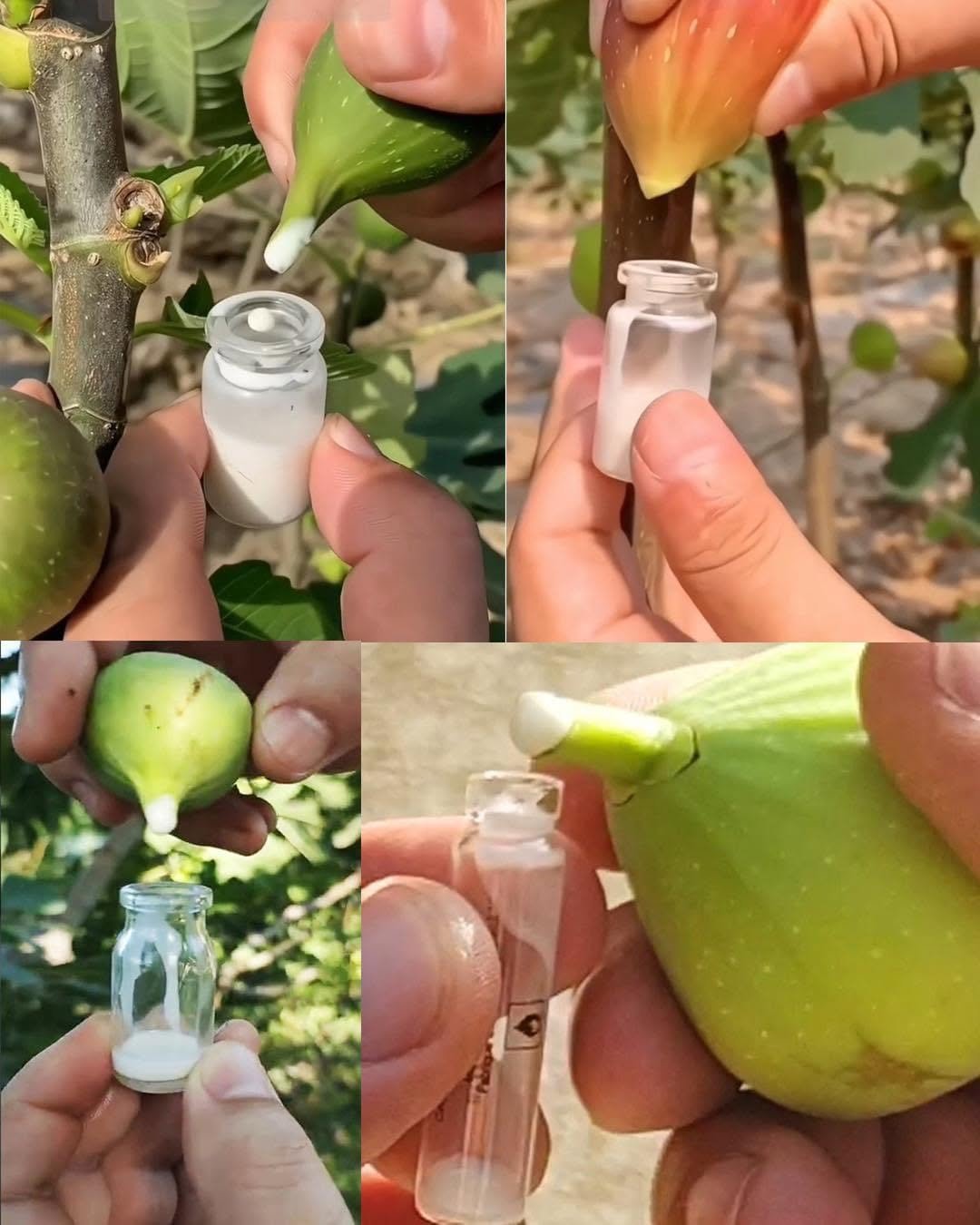
1. What Is Fig Milky Sap?
It’s called “fig latex” or “ficin.”
The tree makes it as a natural defense. It’s sticky, white, and contains enzymes like ficin and psoralens.
Traditional folk uses in some cultures:
- 🌿 Applied topically for warts, calluses, or skin tags by experienced herbalists
- 🧀 Used to curdle milk for cheese in some regions
- 🫙 Collected in small amounts for traditional remedies
2. The Risks – This Is Key
| Risk | Why |
|---|---|
| Skin irritation | Psoralens + sun = phytophotodermatitis. Can cause blisters. |
| Eye irritation | Can be very painful and may require medical attention. |
| Mouth/stomach upset | Not meant to be ingested raw. |
| Allergies | Some people react strongly. |
⚠️ So collecting it in a bottle for “recipes” can be risky if you don’t know proper preparation and dilution.
3. Safe Handling If You’re Harvesting
- 🧤 Wear gloves and avoid sun exposure afterward.
- 👀 Don’t touch your eyes or face.
- 🚫 Don’t ingest unless a qualified practitioner tells you to.
- 👶🐾 Keep away from children and pets.
- 🧼 Wash your tools and hands well after handling.
4. What Actually Helps Skin or Health
For warts, calluses, digestion, and other concerns, proven options include:
- 👨⚕️ See a dermatologist for skin issues.
- 🩺 See a doctor before using fig sap internally.
- 🍈 Food figs: Ripe figs are nutritious, high in fiber and antioxidants—and safe to eat!
Bottom Line
Fig sap is interesting and has traditional uses, but it’s also a potential skin irritant. The “recipe in comments” trend often skips the safety part.
If you want to use it, do so with guidance from someone trained in herbal medicine—not from a viral video.
🥰 And yes—yummy figs are delicious!
Disclaimer
This article is for informational and educational purposes only. It is not medical or herbalist advice. Fig sap does not diagnose, treat, cure, or prevent any disease. For skin issues or health concerns, consult a licensed healthcare provider.