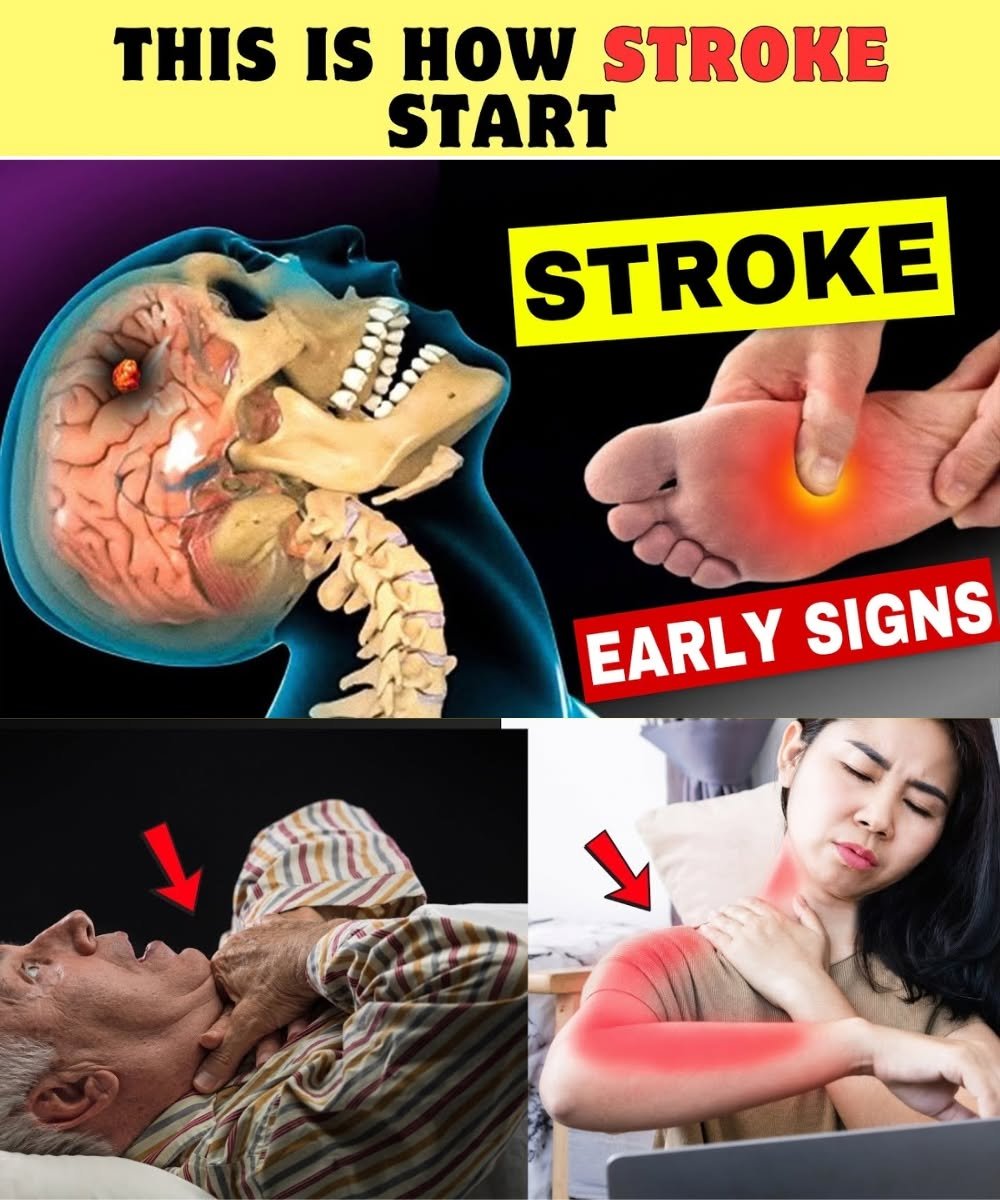
8 Possible Warning Signs of Stroke (And 9 Ways to Lower Your Risk)
Meta Title: Stroke Warning Signs: Symptoms, Risk Factors & Prevention Tips
Meta Description: Learn the possible warning signs of stroke, recognize symptoms that require emergency care, and discover evidence-based ways to reduce your stroke risk.
8 Possible Warning Signs of Stroke (And 9 Ways to Lower Your Risk)
A stroke is a medical emergency that occurs when blood flow to part of the brain is interrupted. Every minute counts because brain cells begin to die without enough oxygen.
While many strokes happen suddenly, some people experience warning symptoms beforehand. These may be caused by a transient ischemic attack (TIA), often called a “mini-stroke.” A TIA is a medical emergency and should never be ignored because it can be an early warning sign of a future stroke.
Recognizing these symptoms and acting quickly could save a life.
What Is a Stroke?
There are three main types of stroke:
- Ischemic stroke: Caused by a blocked blood vessel (the most common type).
- Hemorrhagic stroke: Caused by bleeding in the brain.
- Transient ischemic attack (TIA): A temporary blockage that resolves but requires urgent medical evaluation.
8 Possible Warning Signs
1. Sudden Weakness or Numbness
Weakness or numbness affecting the:
- Face
- Arm
- Leg
especially on one side of the body is one of the most common stroke symptoms.
Seek emergency medical care immediately.
2. Trouble Speaking
You may notice:
- Slurred speech
- Difficulty finding words
- Trouble understanding others
These symptoms should never be ignored.
3. Sudden Vision Changes
A stroke can affect vision by causing:
- Blurred vision
- Double vision
- Loss of vision in one or both eyes
Immediate medical evaluation is essential.
4. Sudden Severe Headache
A sudden, severe headache unlike your usual headaches—especially if accompanied by vomiting, confusion, or neck stiffness—may indicate bleeding in the brain.
Call emergency services immediately.
5. Dizziness or Loss of Balance
Unexpected:
- Dizziness
- Difficulty walking
- Poor coordination
- Loss of balance
can occur during a stroke, particularly when the back part of the brain is affected.
6. Confusion or Difficulty Understanding
Sudden confusion, difficulty following conversations, or problems understanding language can be signs of a stroke.
7. Facial Drooping
One side of the face may droop or feel numb.
Ask the person to smile. If one side doesn’t move normally, seek emergency care immediately.
8. Temporary Stroke-Like Symptoms (TIA)
Symptoms that last only a few minutes or hours should never be dismissed.
Even if they disappear completely, they require urgent medical evaluation because they may be a warning of an impending stroke.
Remember FAST
The easiest way to recognize a possible stroke is the FAST test.
F – Face
Ask the person to smile. Does one side droop?
A – Arms
Ask them to raise both arms. Does one arm drift downward?
S – Speech
Is speech slurred or difficult to understand?
T – Time
If you notice any of these signs, call your local emergency services immediately.
Do not wait to see if symptoms improve.
9 Ways to Reduce Your Stroke Risk
1. Control High Blood Pressure
High blood pressure is one of the leading risk factors for stroke.
Check your blood pressure regularly and follow your healthcare provider’s treatment plan.
2. Manage Diabetes
Keeping blood sugar within your target range helps protect blood vessels and lowers stroke risk.
3. Stay Physically Active
Aim for at least 150 minutes of moderate exercise each week, unless your healthcare provider recommends otherwise.
Walking, swimming, and cycling are excellent options.
4. Eat a Heart-Healthy Diet
Focus on:
- Fruits
- Vegetables
- Whole grains
- Beans
- Fish
- Nuts
- Healthy oils
Limit excess sodium, sugary drinks, and highly processed foods.
5. Stop Smoking
Smoking significantly increases the risk of stroke by damaging blood vessels and promoting blood clots.
Quitting smoking benefits your brain, heart, and lungs.
6. Maintain a Healthy Weight
Maintaining a healthy weight supports normal blood pressure, cholesterol, and blood sugar.
7. Limit Alcohol
If you drink alcohol, do so in moderation according to your healthcare provider’s recommendations.
8. Treat High Cholesterol
High LDL (“bad”) cholesterol contributes to plaque buildup in arteries.
Regular checkups help determine whether lifestyle changes or medication are appropriate.
9. Get Regular Health Checkups
Routine medical care can help detect and manage conditions such as:
- High blood pressure
- Atrial fibrillation
- Diabetes
- High cholesterol
Treating these conditions lowers stroke risk.
When Should You Call Emergency Services?
Seek emergency medical care immediately if you or someone else develops:
- Sudden weakness or numbness
- Facial drooping
- Difficulty speaking
- Vision loss
- Severe dizziness
- Sudden severe headache
- Confusion
- Difficulty walking
Even if symptoms disappear, urgent evaluation is still necessary because they may represent a TIA.
Frequently Asked Questions
Can a stroke happen without warning?
Yes. Many strokes occur suddenly without noticeable warning symptoms.
What is a mini-stroke?
A transient ischemic attack (TIA) causes temporary stroke-like symptoms that resolve within minutes or hours but still requires immediate medical evaluation.
Can strokes be prevented?
Many strokes are preventable through healthy lifestyle habits and proper management of conditions such as high blood pressure, diabetes, high cholesterol, and atrial fibrillation.
What is the biggest risk factor for stroke?
High blood pressure is one of the most important modifiable risk factors for stroke.
Final Thoughts
Recognizing the signs of stroke and acting quickly can save lives and reduce the risk of permanent disability. Remember the FAST acronym and never ignore sudden neurological symptoms—even if they improve within a short time.
A healthy lifestyle, regular medical checkups, and proper management of chronic conditions remain the most effective ways to lower your stroke risk over the long term.
Disclaimer: This article is for educational purposes only and does not replace professional medical advice. If you think you or someone else may be having a stroke, call your local emergency services immediately.