
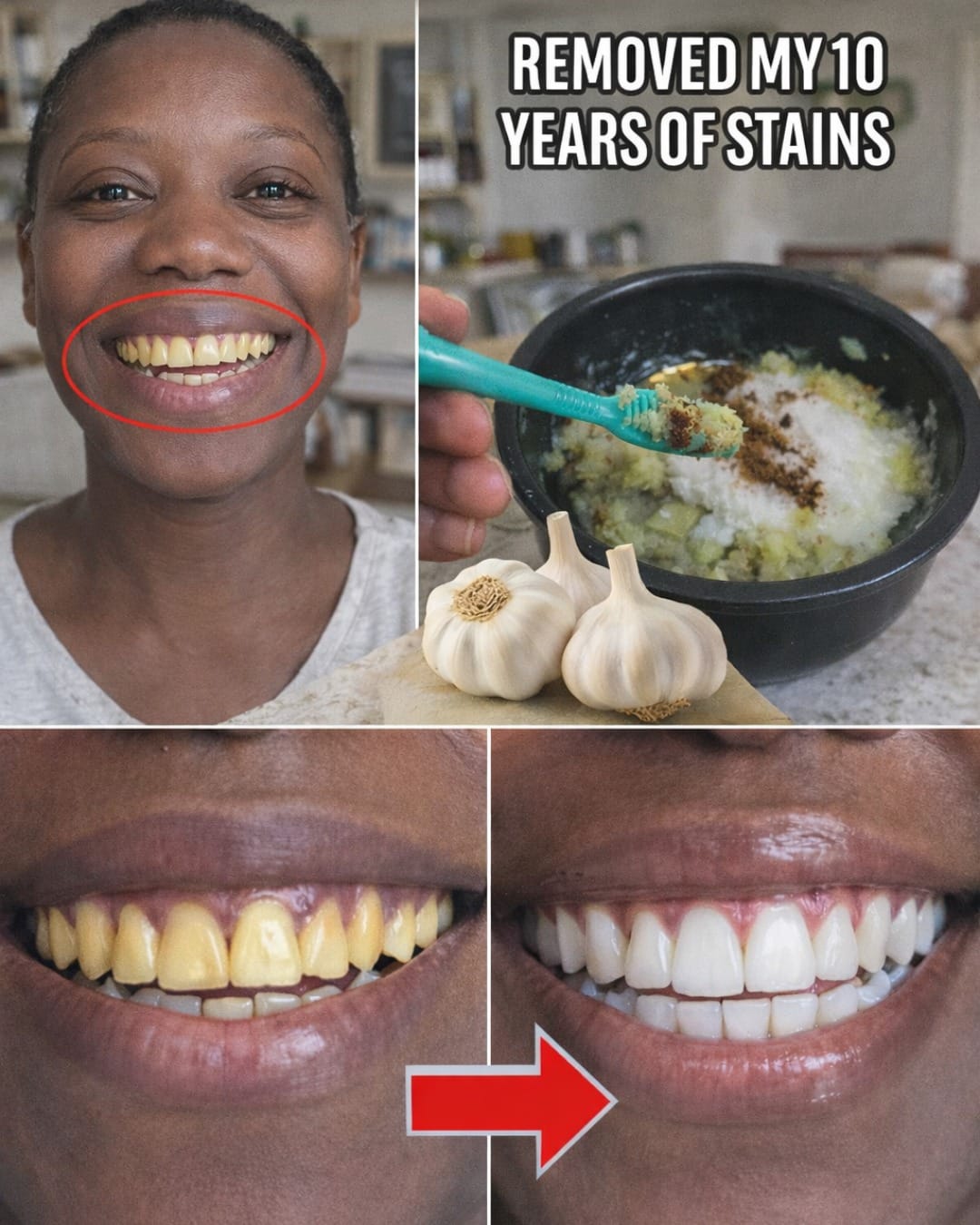
Many people struggle with stained or yellowed teeth from everyday habits like drinking coffee, tea, red wine, or smoking. These surface discolorations can make you feel self-conscious about your smile, affecting photos, conversations, and even your confidence in social or professional settings. Professional whitening treatments often come with high costs, sensitivity issues, or time-consuming appointments, leaving many searching for gentler, more affordable options at home.
But here’s the good news: simple kitchen ingredients can offer a natural way to help brighten your smile without harsh chemicals. One intriguing combination involves fresh garlic, baking soda, and coconut oil. While it won’t magically erase 10 years of stains in two minutes (as some viral claims suggest), this gentle paste may support cleaner, brighter-looking teeth when used thoughtfully. Keep reading to discover how it works, step-by-step instructions, and why moderation is key for safe results.
The Science Behind Natural Teeth Brightening
Surface stains on teeth come from pigments in food, drinks, and tobacco that build up over time. Gentle abrasives and cleansing agents can help polish these away, revealing the natural whiteness underneath.
Research shows that baking soda (sodium bicarbonate) is particularly effective here. Multiple studies, including reviews of clinical evidence, indicate that baking soda-based products safely remove extrinsic stains and contribute to a whiter appearance by acting as a mild abrasive without excessive damage when used properly.
Coconut oil adds another layer of support through its potential antimicrobial properties. Some limited studies suggest oil pulling with coconut oil may reduce plaque and bacteria, indirectly helping maintain a fresher, cleaner mouth.
Garlic brings its own benefits thanks to compounds like allicin, which have antibacterial effects. Evidence from various investigations highlights garlic’s role in fighting oral bacteria that contribute to plaque buildup and bad breath. While direct evidence for garlic as a topical whitener is limited (mostly indirect through better oral hygiene), its cleansing properties can complement the other ingredients for a fresher feel.
But that’s not all… The real value comes from combining these in a balanced way, rather than relying on one alone.
Why This Garlic-Based Paste Might Help Your Smile
This DIY mixture leverages:
- Baking soda’s gentle polishing action to lift surface stains.
- Garlic’s natural antibacterial compounds to target plaque-causing bacteria.
- Coconut oil’s soothing texture to make the paste easier to apply and potentially reduce bacterial adhesion.
Together, they create a simple, natural routine that many people report leaves teeth feeling smoother and looking shinier after consistent use. Results vary based on stain severity, but visible improvements in brightness and cleanliness often appear with regular, careful application.
Important note: This isn’t a miracle cure or substitute for professional care. Dramatic “10-year” changes in minutes aren’t supported by science—true whitening often requires time and professional options for deeper stains.
What You’ll Need for the Paste
Gather these everyday items:
- 1 fresh garlic clove, crushed or minced
- 1 teaspoon baking soda
- 1 teaspoon coconut oil (virgin, unrefined works best)
- A tiny pinch of salt (optional, for extra mild abrasion)
Mix them in a small bowl until they form a smooth, paste-like consistency. The coconut oil helps bind everything and adds a pleasant texture.
Step-by-Step: How to Use It Safely
Follow these actionable steps for best practices:
- Prepare your toothbrush: Use a soft-bristled brush to avoid irritation.
- Apply the paste: Scoop a small amount onto the brush and gently spread it over your teeth.
- Brush gently: Spend about 1-2 minutes brushing, focusing on stained areas like the fronts of teeth. Use light pressure—think polishing, not scrubbing.
- Rinse thoroughly: Swish with warm water to remove all residue.
- Follow up: Brush again with your regular fluoride toothpaste to clear any lingering garlic taste or particles.
- Frequency: Limit to 2-3 times per week max. Overuse of baking soda can wear enamel over time.
Many notice teeth feel cleaner right away, with gradual brightening over weeks when paired with daily habits.
Here are quick tips to maximize results and safety:
- Always patch-test first: Apply a tiny bit to one tooth and wait 24 hours to check for sensitivity.
- Don’t exceed recommended frequency—more isn’t better.
- Stay hydrated and rinse well to minimize garlic breath.
- Pair with stain-prevention: Use a straw for dark drinks and rinse your mouth after consuming them.
- Maintain basics: Brush twice daily, floss, and visit your dentist regularly.
Comparing Natural Options: Quick Overview
| Method | Main Benefit | Evidence Level | Potential Drawbacks |
|---|---|---|---|
| Baking Soda Paste | Removes surface stains | Strong (clinical reviews) | Mild abrasion if overused |
| Coconut Oil Pulling | Reduces bacteria/plaque | Moderate (some studies) | Time-consuming, no dramatic whitening |
| Garlic Addition | Antibacterial support | Limited (mostly indirect) | Strong odor, possible irritation |
| Professional Whitening | Deeper, faster results | High | Costly, potential sensitivity |
This table shows why a balanced, occasional natural approach can complement—not replace—professional care.
Final Thoughts: A Natural Boost for Your Smile
You don’t need expensive kits to start feeling better about your teeth. This simple garlic, baking soda, and coconut oil paste offers an affordable, kitchen-based option to help polish away surface stains and promote a fresher mouth. With consistent gentle use and solid oral hygiene, many enjoy a noticeable glow in their smile over time.
Try it a few times this week and see how your teeth feel. Small changes can build big confidence.
Frequently Asked Questions (FAQ)
Is garlic safe for teeth whitening at home?
Garlic’s antibacterial properties can support oral health, but topical use should be limited to avoid irritation or strong odor. No strong evidence supports it as a primary whitener, but it pairs well in small amounts.
Can baking soda damage my enamel?
When used occasionally and with gentle brushing, baking soda is generally safe and effective for stain removal, per dental research. Overuse or hard scrubbing increases risks, so stick to 2-3 times weekly.
How long until I see results from natural methods?
Results vary, but many notice smoother, cleaner teeth after the first few uses. Brighter appearance often builds over 2-4 weeks with consistent habits. For stubborn stains, consult a dentist.
Disclaimer: This article is for informational purposes only and not a substitute for professional dental advice. Natural remedies like this may help with surface stains but aren’t guaranteed to whiten teeth dramatically. Always consult your dentist before trying new oral care routines, especially if you have sensitive teeth, gum issues, or existing dental conditions. They can guide you on safe options tailored to your needs.