
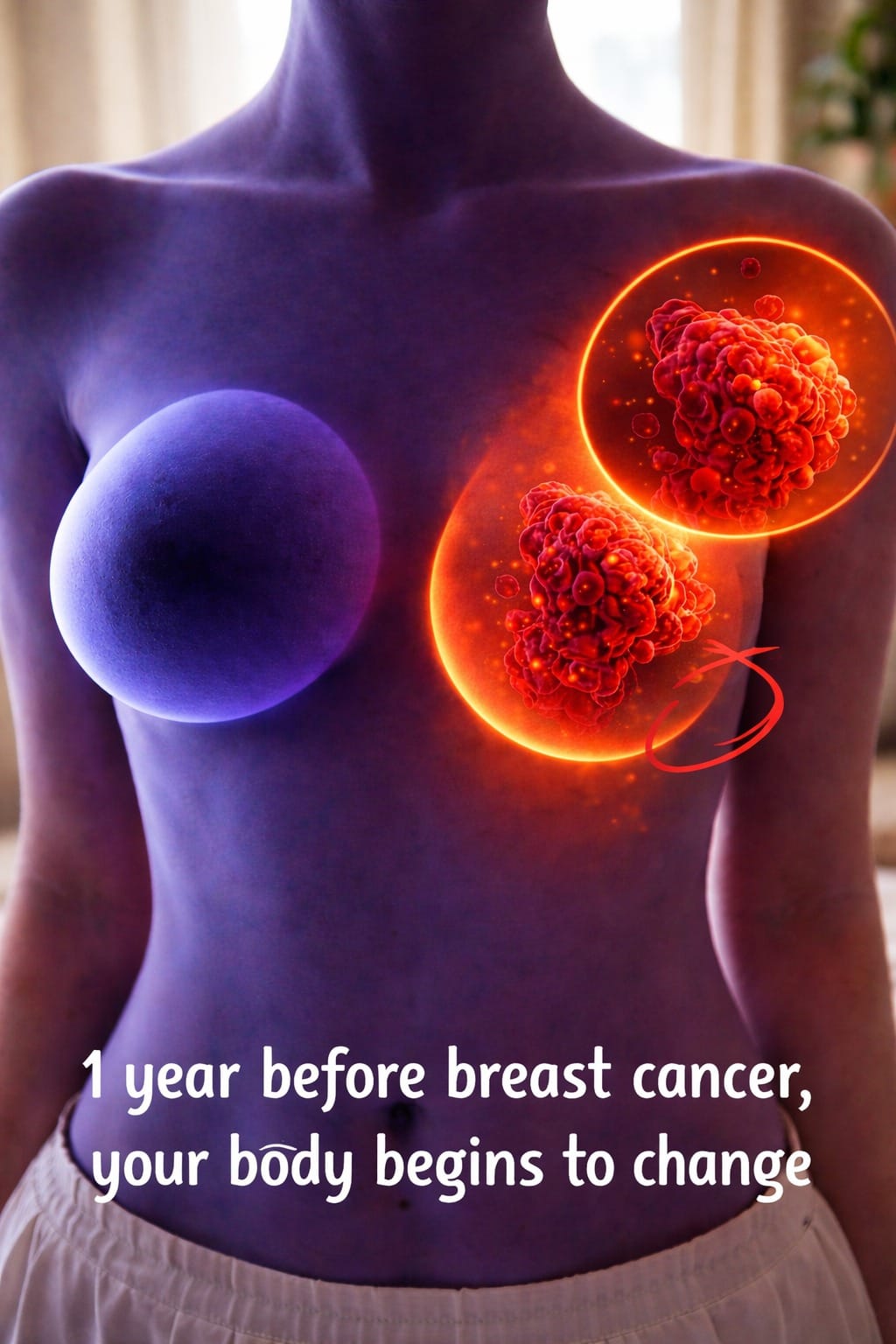
Noticing changes in your breasts can be concerning, but many are harmless and caused by hormonal shifts, infections, or benign conditions. However, being aware of potential early signs of breast cancer is crucial for timely detection – when treatment is most effective. According to trusted sources like the American Cancer Society and Mayo Clinic, breast cancer often has no symptoms in its earliest stages, which is why regular screenings (like mammograms) are vital.
While there are more than 4 signs, here are 4 key early warning signs commonly highlighted that warrant prompt medical attention if new or persistent.
1. A New Lump or Thickening in the Breast or Underarm
The most common early sign – often painless, hard, and irregular-edged (though some are soft or tender).
- Most lumps are benign (cysts, fibroadenomas), but any new one should be checked.
2. Changes in Breast Size, Shape, or Skin Texture
Unexplained swelling, dimpling (like orange peel), redness, or puckering.
- May indicate inflammatory breast cancer (rare but aggressive).
3. Nipple Changes or Discharge
Nipple turning inward (inversion), scaling/flaking, or unusual discharge (especially bloody or from one side).
- Clear or bloody discharge is more concerning than milky.
4. Persistent Breast or Nipple Pain
Though uncommon as an early sign, unexplained ongoing pain shouldn’t be dismissed.
- Breast cancer is usually painless early on, but pain can occur.
| Sign | Why It Matters | Common Benign Causes |
|---|---|---|
| New Lump/Thickening | Most frequent symptom | Cysts, fibroadenomas |
| Skin Changes (Dimpling/Redness) | May indicate inflammatory type | Infection, rash |
| Nipple Discharge/Inversion | Unusual fluid or shape change | Hormonal, duct issues |
| Persistent Pain | Rare early but worth checking | Injury, infection |
What to Do If You Notice Changes
- Perform monthly breast self-awareness (know your normal).
- Schedule a clinical exam or mammogram.
- See a doctor promptly – early detection saves lives.
Most changes are not cancer, but checking provides peace of mind.
Conclusion: Awareness and Screening Are Key
These 4 early signs – lump, skin/nipple changes, discharge, or pain – are important to recognize, but many breast cancers are found through screening before symptoms appear. Stay proactive with regular mammograms (starting around age 40-45 per guidelines) and know your body.
FAQ
Is a lump always cancer?
No – most are benign, but all new lumps need evaluation.
How often self-check?
Monthly familiarity; formal exams not required by all guidelines.
Risk factors?
Age, family history, dense breasts – discuss with doctor.
Disclaimer: This article is for informational purposes only and is not medical advice. Breast changes have many causes; consult a healthcare professional promptly for evaluation. Early detection through awareness and screening is essential. Individual experiences vary.