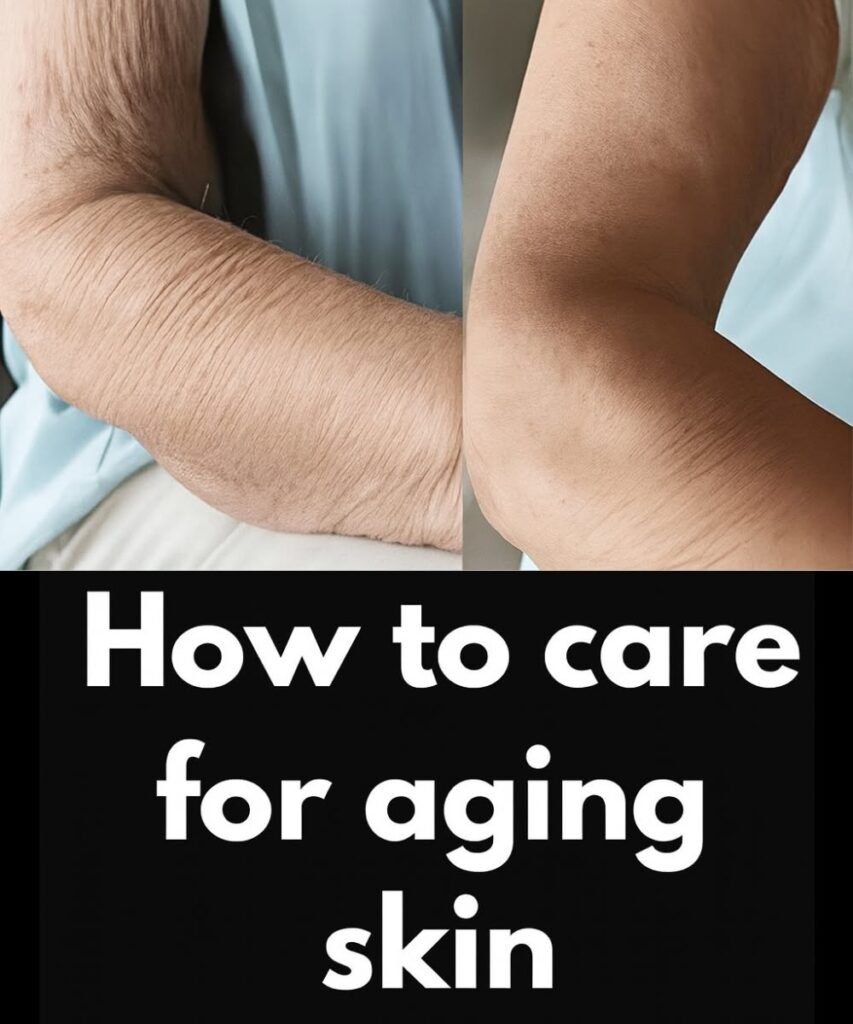
How to Care for Aging Skin and Keep Your Glow at Any Age
Aging is a natural part of life—but healthy, glowing skin is possible at every stage. As the years pass, your skin naturally becomes thinner, produces less oil, and loses some of its elasticity. Fine lines, dryness, and age spots may become more noticeable, but with the right daily habits, you can keep your skin looking healthy, comfortable, and radiant.
The key isn’t expensive products or complicated routines. Consistency, gentle care, and healthy lifestyle choices make the biggest difference.
Why Skin Changes as You Age
Beginning in your 30s and becoming more noticeable after 50, several natural changes occur:
- Collagen and elastin production slow down.
- Skin retains less moisture.
- Cell turnover becomes slower.
- Sun damage accumulated over the years becomes more visible.
- The skin barrier becomes more delicate.
These changes are completely normal, but proper skincare can help reduce their effects and improve your skin’s appearance.
The Three Essentials: Cleanse, Moisturize, and Protect
1. Cleanse Gently
Harsh soaps can strip away your skin’s natural oils, leaving it feeling dry and irritated.
Instead:
- Use a mild, fragrance-free cleanser.
- Wash your face morning and evening.
- Avoid very hot water.
- Pat skin dry with a soft towel instead of rubbing.
Gentle cleansing helps preserve your skin’s protective barrier.
2. Keep Skin Well Hydrated
Moisturizing is one of the most important steps for mature skin.
Look for products containing:
- Hyaluronic acid
- Ceramides
- Glycerin
- Squalane
- Jojoba oil
- Argan oil
- Shea butter
These ingredients help lock in moisture, improve skin texture, and reduce the appearance of fine lines.
Apply moisturizer while your skin is still slightly damp for better hydration.
3. Never Skip Sunscreen
Sun exposure is one of the biggest causes of premature skin aging.
Use:
- SPF 30 or higher every day
- Broad-spectrum protection (UVA and UVB)
- Reapply if spending extended time outdoors
Even on cloudy days or indoors near windows, UV rays can contribute to wrinkles and dark spots.
Adding a wide-brimmed hat and sunglasses provides extra protection.
Choose Anti-Aging Ingredients Wisely
You don’t need dozens of skincare products.
A few proven ingredients used consistently often provide the best results.
Retinol
Retinol helps:
- Encourage cell turnover
- Smooth fine lines
- Improve skin texture
- Stimulate collagen production
If you’re new to retinol, start with a low concentration a few nights per week and gradually increase as tolerated.
Vitamin C
Vitamin C is a powerful antioxidant that may help:
- Brighten dull skin
- Reduce the appearance of dark spots
- Protect against environmental damage
- Support collagen formation
Use it in the morning before sunscreen.
Peptides
Peptides support the skin’s natural repair processes and may help improve firmness over time.
They’re generally well tolerated, even by sensitive skin.
Don’t Forget Often-Neglected Areas
Some areas show signs of aging earlier than others.
Eyes
The skin around the eyes is very thin.
Choose an eye cream designed for this delicate area to help:
- Reduce dryness
- Soften fine lines
- Improve the appearance of puffiness
Neck and Chest
Many people care for their face but forget their neck and chest.
Apply your moisturizer and sunscreen to these areas every day using gentle upward strokes.
Lips
Lips lose moisture easily with age.
Protect them by:
- Using a hydrating lip balm
- Applying SPF lip protection outdoors
- Gently exfoliating once a week if needed
Simple Facial Massage Can Help
A gentle facial massage may improve circulation and help skincare products spread more evenly.
Using clean fingertips:
- Massage upward and outward.
- Avoid pulling on delicate skin.
- Spend 2–3 minutes after applying moisturizer.
While massage won’t eliminate wrinkles, many people find it relaxing and notice healthier-looking skin.
Healthy Skin Starts From Within
Your daily diet has a major impact on your skin.
Include plenty of:
Colorful Fruits and Vegetables
Rich in antioxidants that help protect skin cells.
Examples include:
- Blueberries
- Strawberries
- Spinach
- Carrots
- Bell peppers
- Tomatoes
Healthy Fats
Omega-3 fatty acids support skin moisture.
Good sources include:
- Salmon
- Sardines
- Walnuts
- Chia seeds
- Flaxseeds
Protein
Protein provides the building blocks needed for healthy skin repair.
Choose:
- Fish
- Eggs
- Beans
- Lentils
- Lean poultry
- Greek yogurt
Stay Hydrated
Drinking enough water supports overall health and helps maintain normal skin hydration.
Lifestyle Habits That Support Healthy Skin
Small daily habits can have lasting benefits.
Get Enough Sleep
During sleep, your body repairs skin and other tissues.
Aim for 7–9 hours of quality sleep each night.
Manage Stress
Long-term stress can affect many aspects of health, including the skin.
Helpful stress-management techniques include:
- Walking
- Deep breathing
- Meditation
- Yoga
- Spending time outdoors
Avoid Smoking
Smoking speeds skin aging by reducing blood flow and breaking down collagen.
If you smoke, quitting benefits both your skin and your overall health.
Limit Excessive Alcohol
Alcohol can contribute to dehydration, making skin appear drier and less vibrant.
Moderation is key.
Common Mistakes to Avoid
Many people unknowingly damage their skin by:
- Washing with very hot water
- Over-exfoliating
- Skipping moisturizer
- Forgetting sunscreen
- Trying too many new products at once
- Sleeping with makeup on
Keeping your routine simple and consistent is often the best approach.
Frequently Asked Questions
When should I start using anti-aging skincare?
Healthy skincare habits, including sunscreen and moisturizer, are beneficial at any age. Products such as retinol are often introduced in adulthood based on individual needs and skin tolerance.
Do expensive products work better?
Not necessarily. Ingredients and consistent use matter far more than price.
Is sunscreen necessary indoors?
If you’re near windows or spend time outside during the day, daily sunscreen remains a good habit because UVA rays can penetrate glass.
Can diet improve my skin?
A balanced diet rich in fruits, vegetables, healthy fats, and protein supports overall skin health, although no single food can prevent aging.
Final Thoughts
Healthy, glowing skin isn’t about chasing perfection—it’s about caring for your skin consistently throughout life.
Gentle cleansing, daily moisturizing, sun protection, nutritious foods, quality sleep, and healthy lifestyle habits all work together to support your skin as it ages.
Rather than trying every new product on the market, focus on simple routines you can maintain over time. Small daily habits often make the biggest difference in keeping your skin comfortable, resilient, and naturally radiant.
Disclaimer: This article is for educational purposes only and is not a substitute for professional medical advice. If you have persistent skin concerns, rapidly changing moles or lesions, severe irritation, or other unusual symptoms, consult a qualified healthcare professional or dermatologist for evaluation.