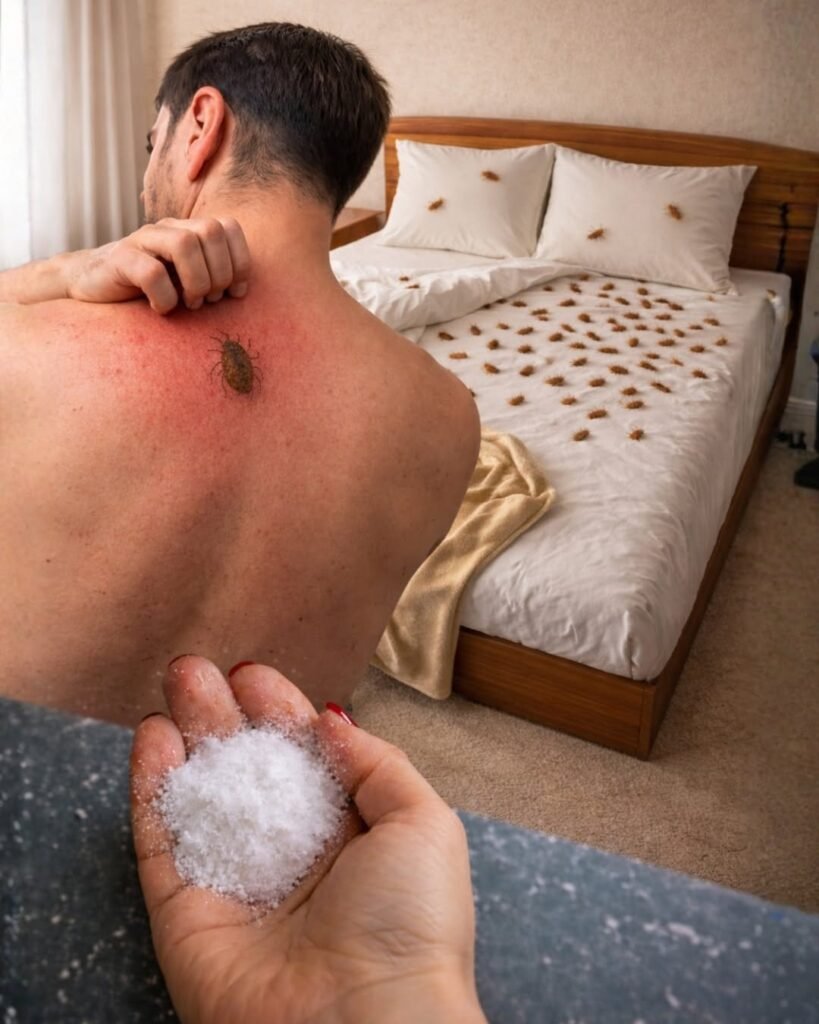
How to Get Rid of Dust Mites and Bedbugs Naturally: Easy Ways to Keep Your Mattress Clean
Your mattress should be a place for restful sleep, not a hiding spot for unwanted pests. Over time, mattresses can collect dust, dead skin cells, moisture, and other debris that create an ideal environment for dust mites. In some cases, bedbugs may also find their way into your bed, causing itchy bites and restless nights.
The good news is that regular cleaning and a few natural remedies can help reduce these pests and keep your sleeping space healthier.
Understanding the Difference
Although dust mites and bedbugs are often mentioned together, they are very different.
Dust Mites
Dust mites are microscopic creatures that feed on dead skin cells. They don’t bite, but their waste products can trigger allergies, asthma, sneezing, itchy eyes, and nasal congestion.
They thrive in:
- Warm temperatures
- Humid environments
- Mattresses and pillows
- Upholstered furniture
- Carpets
Bedbugs
Bedbugs are small, reddish-brown insects that feed on human blood, usually while you sleep. Their bites may leave itchy red marks and can make it difficult to get a good night’s rest.
Unlike dust mites, bedbugs can spread from one location to another by hiding in:
- Luggage
- Clothing
- Used furniture
- Bedding
- Cracks in walls and furniture
Why Your Mattress Attracts These Pests
Several factors make mattresses an ideal place for insects and mites.
Common reasons include:
- Sweat and body moisture
- Dead skin cells
- Infrequent washing of bedding
- High indoor humidity
- Bringing home infested furniture or luggage
- Poor bedroom ventilation
Fortunately, regular maintenance can greatly reduce the risk.
Natural Ways to Reduce Dust Mites and Bedbugs
1. Baking Soda for Mattress Freshness
Baking soda is widely used to freshen mattresses by absorbing moisture and odors.
How to Use It
- Remove all bedding.
- Sprinkle a generous layer of baking soda over the mattress.
- Leave it for 2 to 4 hours.
- Vacuum thoroughly using a vacuum with a HEPA filter if available.
While baking soda helps reduce moisture and freshen fabrics, it should not be relied upon as a complete solution for eliminating bedbugs.
Repeat every couple of weeks to help keep your mattress clean.
2. Essential Oil Spray
Some essential oils are traditionally used because their strong scent may discourage insects.
You’ll Need
- 1 cup water
- 10 drops tea tree oil, peppermint oil, lavender oil, or eucalyptus oil
Directions
- Mix ingredients in a spray bottle.
- Shake well before each use.
- Lightly mist mattress seams, bed frames, and surrounding areas.
- Allow everything to dry completely before sleeping.
Always test essential oils on a small area first, especially if you have sensitive skin or pets.
3. Steam Cleaning
Heat is one of the most effective non-chemical methods for reducing bedbugs and dust mites.
Use a steam cleaner on:
- Mattress seams
- Corners
- Bed frames
- Upholstered furniture
The high temperature can help kill insects and their eggs that are hidden deep inside fabric.
Allow the mattress to dry completely afterward.
4. Food-Grade Diatomaceous Earth
Food-grade diatomaceous earth (DE) is a natural powder made from fossilized algae.
It works by damaging the outer layer of insects, causing them to lose moisture.
How to Apply
- Sprinkle a thin layer around mattress seams, bed frames, and cracks.
- Leave it for 24 to 48 hours.
- Vacuum thoroughly afterward.
- Reapply if necessary.
Always use food-grade diatomaceous earth and avoid breathing in the dust during application.
5. Clove Essential Oil
Cloves contain eugenol, a natural compound with a strong aroma that some people use as a natural insect deterrent.
Simple Clove Spray
Ingredients:
- 1 cup water
- 15 drops clove essential oil
Mix well and lightly spray around:
- Mattress edges
- Bed frames
- Baseboards
- Furniture joints
While cloves may help discourage insects, they are not a replacement for professional treatment if you have a serious infestation.
Extra Cleaning Tips
To keep your mattress cleaner for longer:
- Wash sheets and pillowcases weekly in hot water.
- Dry bedding on high heat whenever possible.
- Vacuum the mattress every few weeks.
- Reduce indoor humidity below 50%.
- Keep your bedroom free from unnecessary clutter.
- Use washable mattress and pillow protectors.
Prevent Future Problems
Simple habits can make a big difference.
✔ Change bedding regularly.
✔ Air out your mattress occasionally.
✔ Inspect hotel luggage after traveling.
✔ Check secondhand furniture before bringing it home.
✔ Vacuum under the bed and around baseboards often.
These steps help reduce the chances of pests becoming established.
When to Call a Professional
Natural methods may help reduce minor problems, but professional pest control is recommended if:
- You continue finding bedbugs after treatment.
- Bites keep appearing.
- You notice insects spreading to multiple rooms.
- The infestation becomes severe.
Professional treatment is often necessary to completely eliminate bedbugs.
Final Thoughts
Keeping your mattress clean doesn’t require harsh chemicals. Regular vacuuming, washing bedding in hot water, reducing humidity, and using natural cleaning methods can help create a healthier sleeping environment.
For dust mites, consistent cleaning is usually the most effective approach. For bedbugs, natural remedies may help reduce their presence, but larger infestations typically require professional pest control.
Frequently Asked Questions
How often should I clean my mattress?
Vacuum it at least once a month and deep-clean it every three to six months.
Does baking soda kill bedbugs?
Baking soda may help absorb moisture and reduce odors, but there is limited scientific evidence that it effectively kills bedbugs.
Can dust mites bite people?
No. Dust mites do not bite. However, they can trigger allergic reactions in sensitive individuals.
Is steam cleaning safe for mattresses?
Yes. When used correctly, steam cleaning can help reduce dust mites and bedbugs. Always allow the mattress to dry completely before use.
Disclaimer: This article is for educational purposes only. Natural remedies may help reduce pests but are not guaranteed to eliminate infestations. If you experience a severe bedbug problem or persistent allergic symptoms, consult a qualified pest control professional or healthcare provider.