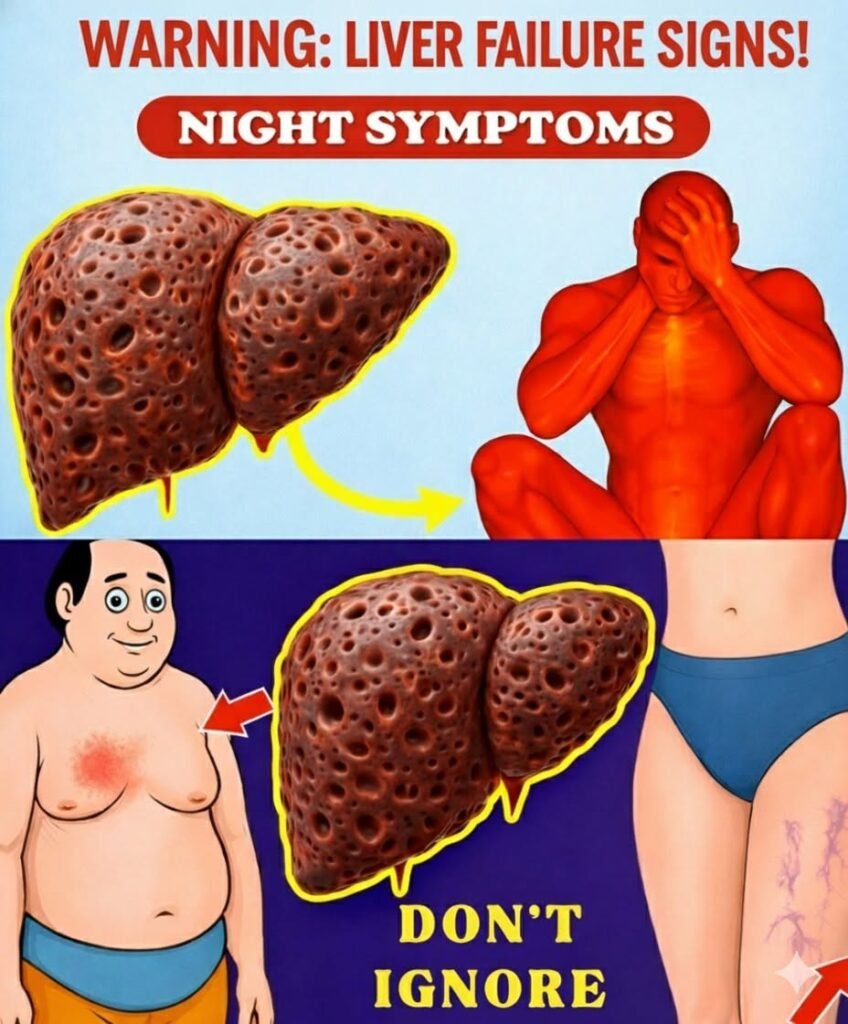
17 Warning Signs Your Liver May Need Attention: Symptoms, Causes, and Healthy Habits
The liver is one of the hardest-working organs in the body. It filters toxins, processes nutrients, produces bile for digestion, stores energy, and supports hundreds of essential functions every day. Because it can continue working even when under stress, liver problems often develop quietly, with symptoms appearing gradually.
Recognizing early warning signs can help you seek medical advice sooner and adopt healthier lifestyle habits that support liver function. While these symptoms do not necessarily indicate liver disease, persistent or worsening changes should never be ignored.
Why Liver Health Is So Important
Your liver performs more than 500 important tasks, including:
- Filtering harmful substances from the blood
- Breaking down medications
- Supporting digestion by producing bile
- Regulating cholesterol and blood sugar
- Storing vitamins and minerals
- Helping the body fight infections
When the liver becomes overwhelmed by factors such as obesity, excessive alcohol use, viral infections, certain medications, or metabolic conditions, its ability to perform these functions may decline.
1. Constant Fatigue
Feeling tired all the time—even after getting enough sleep—can sometimes be associated with liver problems.
Many health conditions cause fatigue, but persistent exhaustion that doesn’t improve deserves medical evaluation.
2. Yellow Skin or Eyes (Jaundice)
One of the best-known signs of liver disease is jaundice.
When the liver cannot properly process bilirubin, this yellow pigment builds up in the blood, causing:
- Yellow skin
- Yellowing of the whites of the eyes
- Dark-colored urine
Jaundice requires prompt medical attention.
3. Pain or Discomfort in the Upper Right Abdomen
The liver sits beneath the ribs on the right side of the body.
Inflammation or enlargement may cause:
- Dull aching pain
- Tenderness
- Feeling of fullness beneath the ribs
Persistent abdominal pain should always be evaluated by a healthcare professional.
4. Swollen Abdomen
Fluid buildup inside the abdomen (ascites) may occur when advanced liver disease affects circulation and protein production.
Signs include:
- Enlarged belly
- Feeling of tightness
- Rapid increase in abdominal size
5. Swollen Feet and Ankles
When liver function declines, fluid may accumulate in the lower legs.
You may notice:
- Puffy ankles
- Swollen feet
- Socks leaving deep marks on the skin
6. Dark Urine
Urine that appears dark brown or tea-colored—even when you’re well hydrated—can sometimes indicate elevated bilirubin levels.
However, dehydration and certain medications may also cause darker urine.
7. Pale or Clay-Colored Stools
Healthy bile gives stool its normal brown color.
If bile flow is blocked, stools may become:
- Pale
- Gray
- Clay-colored
This symptom should be assessed by a healthcare provider.
8. Persistent Itchy Skin
Some people with liver conditions develop generalized itching without an obvious rash.
This may occur because bile salts accumulate beneath the skin.
9. Easy Bruising or Bleeding
The liver produces proteins involved in blood clotting.
Reduced liver function may lead to:
- Frequent bruises
- Nosebleeds
- Bleeding gums
- Cuts that bleed longer than usual
10. Loss of Appetite
A reduced desire to eat can occur with many illnesses, including liver disorders.
It may also be accompanied by:
- Feeling full quickly
- Nausea
- Weight loss
11. Unexplained Weight Loss
Losing weight without trying should always be discussed with a healthcare professional.
It may be related to digestive disorders, infections, liver disease, or other medical conditions.
12. Nausea and Digestive Problems
When the liver isn’t functioning properly, digestion may become less efficient.
Some people experience:
- Nausea
- Indigestion
- Bloating
- Fat intolerance
13. Brain Fog and Difficulty Concentrating
Advanced liver disease may allow toxins to build up in the bloodstream, affecting brain function.
Symptoms can include:
- Poor concentration
- Memory problems
- Confusion
- Slower thinking
14. Red Spider-Like Blood Vessels
Tiny spider-shaped blood vessels, called spider angiomas, sometimes appear on the:
- Face
- Neck
- Chest
- Arms
Although they may occur in healthy individuals, multiple spider angiomas can sometimes be associated with chronic liver disease.
15. Frequent Infections
The liver contributes to immune system function.
People with chronic liver disease may become more susceptible to infections.
16. Muscle Weakness
Difficulty maintaining muscle strength or noticeable muscle loss may develop in advanced liver disease due to altered protein metabolism.
17. Changes in Mood or Sleep
Some liver disorders may contribute to:
- Irritability
- Mood changes
- Poor sleep
- Daytime drowsiness
Because these symptoms have many possible causes, they should be evaluated together with other signs.
Common Causes of Liver Problems
Several conditions may affect liver health, including:
- Non-alcoholic fatty liver disease (NAFLD)
- Excessive alcohol consumption
- Viral hepatitis
- Obesity
- Type 2 diabetes
- High cholesterol
- Certain medications
- Autoimmune liver diseases
Healthy Habits That Support Liver Function
Although no single food can “detox” the liver, healthy lifestyle choices play an important role in maintaining liver health.
Helpful habits include:
- Eat plenty of fruits and vegetables.
- Choose whole grains and lean proteins.
- Maintain a healthy body weight.
- Exercise regularly.
- Drink alcohol only in moderation or avoid it altogether.
- Stay hydrated.
- Avoid unnecessary medications and supplements.
- Get recommended vaccinations, including hepatitis vaccines when appropriate.
When Should You See a Doctor?
Schedule a medical evaluation if you experience:
- Yellow skin or eyes
- Persistent abdominal pain
- Swelling of the abdomen or legs
- Dark urine or pale stools
- Unexplained weight loss
- Severe fatigue lasting several weeks
- Easy bruising or bleeding
Early diagnosis often allows for more effective treatment.
Frequently Asked Questions
Can liver disease develop without symptoms?
Yes. Many liver conditions, especially fatty liver disease, may have few or no symptoms during the early stages.
Can lifestyle changes improve liver health?
For many people with early fatty liver disease, maintaining a healthy weight, exercising regularly, and eating a balanced diet can significantly improve liver function. However, treatment depends on the underlying cause.
Does drinking more water detox the liver?
Staying hydrated supports overall health, but water alone does not “detox” the liver. The liver naturally removes waste products through its normal biological processes.
Final Thoughts
Your liver works around the clock to keep your body functioning properly, yet it often receives little attention until symptoms appear. Recognizing potential warning signs and maintaining healthy daily habits can help protect this vital organ for years to come.
If you notice persistent symptoms or have concerns about your liver health, consult a qualified healthcare professional. Early evaluation can identify underlying conditions and provide appropriate treatment before complications develop.
Disclaimer: This article is for educational purposes only and should not be considered medical advice. It is not intended to diagnose, treat, cure, or prevent any disease. Always seek guidance from a qualified healthcare provider regarding any medical concerns or symptoms.