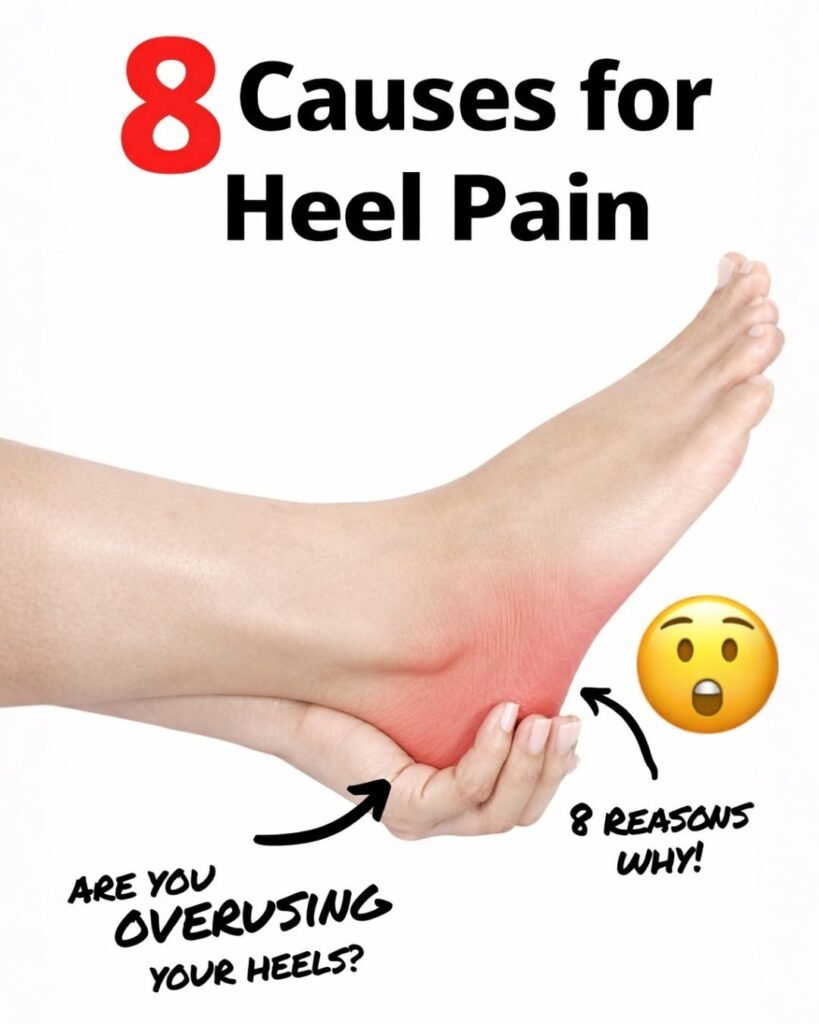
8 Common Causes of Heel Pain: Symptoms, Hidden Reasons, and Effective Solutions
Introduction
Heel pain is one of the most common foot problems affecting millions of people worldwide. Whether you are an athlete, a busy professional who stands for long hours, or someone dealing with age-related changes, persistent heel discomfort can interfere with daily activities and quality of life.
The heel carries a significant amount of body weight with every step. When the tissues, tendons, bones, or joints around this area become stressed or injured, pain can develop — sometimes making walking, exercising, or even standing uncomfortable.
Understanding the common causes of heel pain, recognizing warning signs, and choosing the right treatment approach can help prevent long-term foot problems.
Medical Disclaimer: This article is for informational purposes only and does not replace professional medical advice, diagnosis, or treatment. If you experience severe, persistent, or worsening heel pain, consult a qualified healthcare provider.
Why Does Heel Pain Happen?
The heel bone, known as the calcaneus, is the largest bone in the foot and absorbs significant pressure during movement.
Heel pain may develop because of:
- Overuse injuries
- Poor footwear
- Excessive standing or walking
- Sports activities
- Foot structure problems
- Inflammation
- Joint-related conditions
- Accidents or trauma
Finding the exact cause is the first step toward effective relief.
1. Plantar Fasciitis: The Most Common Cause of Heel Pain
Plantar fasciitis is one of the leading reasons people experience heel discomfort.
It occurs when the plantar fascia — a thick band of connective tissue running along the bottom of the foot — becomes irritated or inflamed.
Common Symptoms:
- Sharp heel pain with the first steps after waking up
- Pain after sitting for a long time
- Tenderness under the heel
- Discomfort that improves with movement but returns later
Common Risk Factors:
- Standing for many hours
- Wearing shoes with poor support
- Increased exercise intensity
- Tight calf muscles
- Flat feet or high arches
Treatment may include stretching exercises, supportive footwear, physical therapy, and activity modification.
2. Sprains and Strains
Foot and ankle injuries can also cause heel pain.
A sprain affects ligaments, while a strain involves muscles or tendons. These injuries often happen because of:
- Sudden twisting movements
- Sports activities
- Falls
- Improper foot movement
Symptoms May Include:
- Heel or ankle discomfort
- Swelling
- Bruising
- Reduced mobility
- Pain while putting weight on the foot
Rest, ice, compression, and elevation (RICE) are commonly used for mild injuries, but serious injuries may require medical evaluation.
3. Heel Fractures
A fracture means the heel bone or nearby bone has cracked or broken.
Heel fractures are often caused by:
- Falls from height
- Car accidents
- Strong impact injuries
- Repeated stress on the bone
Warning Signs:
- Severe heel pain
- Significant swelling
- Difficulty walking
- Bruising around the heel
A suspected fracture requires medical attention. Doctors may recommend imaging tests such as X-rays or other scans to determine the injury severity.
4. Achilles Tendinitis
The Achilles tendon connects the calf muscles to the heel bone. When this tendon becomes irritated or inflamed, it can cause pain at the back of the heel.
This condition is common among:
- Runners
- Athletes
- People who suddenly increase physical activity
Symptoms Include:
- Pain behind the heel
- Morning stiffness
- Tenderness along the tendon
- Increased pain during exercise
Gradually increasing activity, stretching, and proper footwear can help reduce strain on the Achilles tendon.
5. Heel Bursitis
Bursae are small fluid-filled sacs that help reduce friction between tissues.
When these sacs become inflamed, a condition called bursitis can develop.
Possible Symptoms:
- Pain around the heel
- Swelling
- Tenderness
- Discomfort when walking or running
Heel bursitis may result from repeated pressure, excessive activity, or irritation from footwear.
6. Arthritis and Inflammatory Conditions
Some medical conditions affecting the joints can also contribute to heel pain.
Examples include:
- Ankylosing spondylitis
- Reactive arthritis
- Other inflammatory joint disorders
These conditions may cause:
- Heel tenderness
- Joint stiffness
- Swelling
- Pain in multiple areas of the body
If heel pain occurs alongside back pain, joint swelling, or ongoing inflammation, medical evaluation is important.
7. Sever’s Disease and Growth-Related Heel Pain
In children and teenagers, heel pain can sometimes occur due to growth-related changes.
Sever’s disease (calcaneal apophysitis) happens when the growth plate in the heel becomes irritated.
It commonly affects:
- Active children
- Young athletes
- Those experiencing growth spurts
Symptoms:
- Heel pain during activity
- Difficulty running or jumping
- Tenderness at the back of the heel
Most cases improve with rest, stretching, and activity adjustments.
8. Foot Structure Problems and Other Causes
The way your feet are shaped can influence how pressure is distributed.
Conditions that may contribute to heel pain include:
- Flat feet
- High arches
- Improper walking mechanics
- Bone overgrowths
- Arthritis-related changes
Over time, uneven pressure can increase stress on the heel and surrounding tissues.
When Should You See a Doctor for Heel Pain?
Mild heel pain may improve with rest and home care. However, professional evaluation is recommended if you experience:
- Sudden or severe pain
- Inability to walk normally
- Significant swelling or redness
- Numbness or tingling
- Pain lasting longer than 2–3 weeks
- Symptoms that continue despite home treatment
A healthcare provider may recommend:
- Physical examination
- X-rays or imaging tests
- Physical therapy
- Orthotic support
- Anti-inflammatory treatments
- Specialized care for serious injuries
Natural Ways to Support Heel Pain Relief
Depending on the cause, these habits may help improve comfort:
1. Wear Supportive Footwear
Choose shoes with:
- Good arch support
- Proper cushioning
- Comfortable fit
Avoid worn-out shoes that no longer provide support.
2. Stretch Regularly
Gentle stretching of:
- Calf muscles
- Achilles tendon
- Foot muscles
may reduce tension around the heel.
3. Apply Ice After Activity
Cold therapy may help reduce temporary swelling and discomfort after overuse.
4. Increase Activity Slowly
Avoid sudden increases in:
- Running distance
- Exercise intensity
- Standing time
Gradual progression helps protect the feet.
Preventing Future Heel Pain
Simple daily habits can lower your risk:
✔ Maintain a healthy body weight
✔ Replace old athletic shoes regularly
✔ Stretch before and after exercise
✔ Avoid prolonged standing without breaks
✔ Listen to early signs of discomfort
Your feet support your entire body, so caring for them is an important part of long-term mobility and wellness.
Final Thoughts
Heel pain can have many causes, from common conditions like plantar fasciitis to injuries and inflammatory diseases. Identifying the reason behind the pain is essential for choosing the right solution.
With supportive footwear, proper stretching, healthy movement habits, and timely medical care when needed, many people can reduce discomfort and return to comfortable daily activities.
Ignoring persistent heel pain may allow a minor problem to become more difficult to manage — so paying attention to early symptoms is one of the best steps you can take for your foot health.