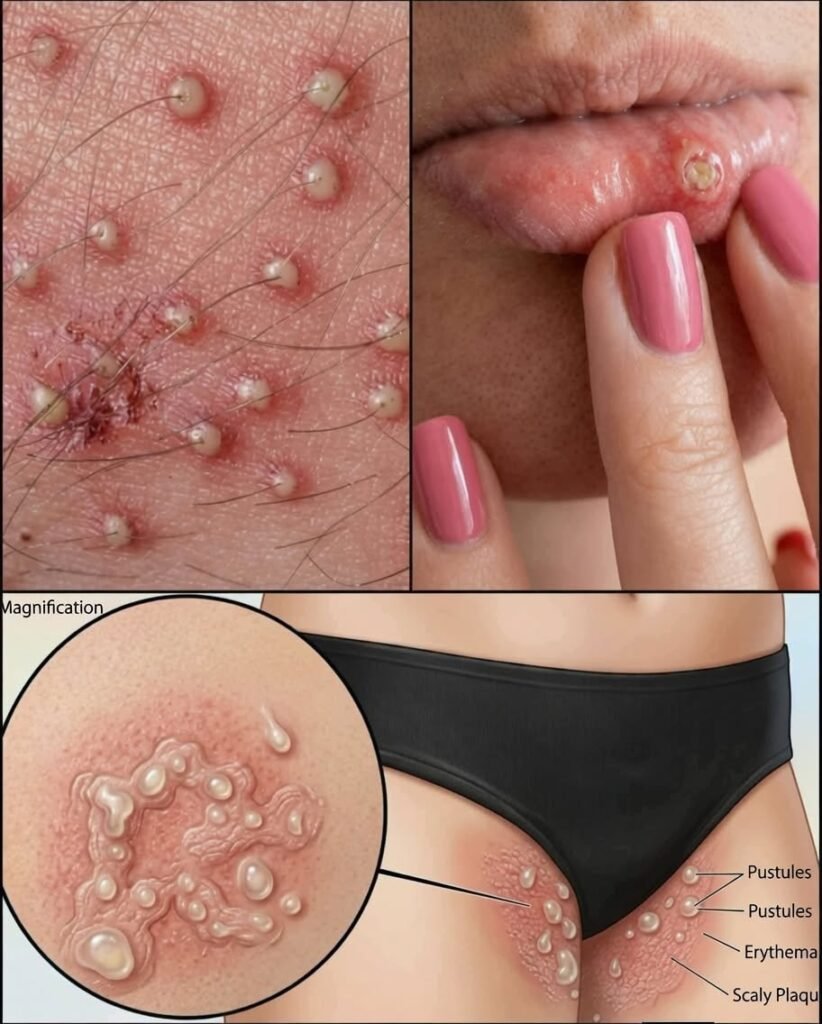
HIV Symptoms You Should Never Ignore: Early Signs, Stages, Testing, and Treatment
Human Immunodeficiency Virus (HIV) is a virus that attacks the immune system. Without treatment, it can weaken the body’s ability to fight infections and certain cancers. However, thanks to modern medicine, people diagnosed early and treated consistently can live long, healthy, and productive lives.
One challenge is that HIV often causes mild symptoms—or no symptoms at all—in its early stages, making regular testing important for anyone who may have been exposed.
What Is HIV?
HIV targets CD4 T cells, a type of white blood cell that helps coordinate the body’s immune response. As the virus multiplies, it gradually reduces these cells, making it harder to fight infections.
If HIV is left untreated for many years, it can progress to Acquired Immunodeficiency Syndrome (AIDS), the most advanced stage of infection.
HIV is the virus.
AIDS is the advanced stage of untreated HIV infection.
With effective treatment, many people with HIV never develop AIDS.
How HIV Is Spread
HIV can be transmitted through certain body fluids, including:
- Blood
- Semen
- Vaginal fluids
- Rectal fluids
- Breast milk
Common routes of transmission include:
- Unprotected vaginal or anal sex
- Sharing needles or syringes
- Mother-to-child transmission during pregnancy, childbirth, or breastfeeding (risk is greatly reduced with proper treatment)
- Exposure to contaminated blood products in areas where blood screening is limited
HIV Is Not Spread By
HIV cannot be spread through:
- Hugging
- Shaking hands
- Sharing food or utensils
- Toilet seats
- Swimming pools
- Sweat or tears
- Mosquito bites
- Casual contact at school or work
Early HIV Symptoms
Some people develop flu-like symptoms 2 to 4 weeks after infection, while others experience no symptoms.
Possible early symptoms include:
- Fever
- Fatigue
- Sore throat
- Swollen lymph nodes
- Muscle and joint aches
- Skin rash
- Night sweats
- Headache
- Mouth ulcers
- Nausea or diarrhea
These symptoms are not unique to HIV and can also occur with many common viral illnesses. The only way to know your HIV status is through testing.
Chronic HIV Infection
After the early stage, many people enter a period where they feel completely healthy.
This stage can last many years, even though the virus continues to affect the immune system if untreated.
Some people may experience:
- Persistent swollen lymph nodes
- Mild fatigue
- Recurrent infections
- Occasional night sweats
Because symptoms may be absent, routine testing is important if you’ve had possible exposure.
Advanced HIV (AIDS)
Without treatment, HIV can severely weaken the immune system.
Possible symptoms include:
- Significant unexplained weight loss
- Persistent fever
- Chronic diarrhea
- Severe fatigue
- Frequent infections
- Oral thrush (white patches in the mouth)
- Persistent skin rashes
- Shortness of breath
- Memory or concentration problems
Modern antiretroviral therapy has greatly reduced the number of people who progress to this stage.
When Should You Get Tested?
Consider HIV testing if you:
- Had unprotected sex
- Shared needles
- Have another sexually transmitted infection (STI)
- Have a partner living with HIV
- Develop flu-like symptoms after a possible exposure
Many health organizations also recommend routine HIV screening for adults at least once, with more frequent testing for those at higher risk.
How HIV Is Diagnosed
Healthcare providers may use:
- Antigen/antibody tests (commonly used for screening)
- Antibody tests
- HIV RNA (viral load) tests, which can detect the virus earlier and monitor treatment
HIV Treatment
The standard treatment is antiretroviral therapy (ART).
ART works by:
- Preventing HIV from multiplying
- Protecting the immune system
- Lowering the amount of virus in the blood (viral load)
- Preventing progression to AIDS
Most people take medication daily, although long-acting injectable treatments are available for some individuals.
With consistent treatment, many people achieve an undetectable viral load.
An undetectable viral load means the virus is controlled so well that it cannot be sexually transmitted. This is known as:
Undetectable = Untransmittable (U=U)
Can People With HIV Live Normal Lives?
Yes.
With early diagnosis and proper treatment, many people living with HIV:
- Work full-time
- Exercise regularly
- Have healthy relationships
- Marry
- Have children safely with appropriate medical care
- Live life expectancies close to those of the general population
Reducing Your Risk
You can lower your risk of HIV by:
- Using condoms correctly during sex
- Getting tested regularly if you’re at increased risk
- Never sharing needles
- Considering PrEP (pre-exposure prophylaxis) if you’re at higher risk
- Seeking PEP (post-exposure prophylaxis) within 72 hours after a possible exposure
Healthy Living With HIV
Medical treatment is the foundation of HIV care. Healthy lifestyle habits can also support overall well-being:
- Eat a balanced diet rich in fruits, vegetables, whole grains, lean protein, and healthy fats.
- Stay physically active.
- Get enough sleep.
- Manage stress.
- Avoid smoking.
- Take medications exactly as prescribed.
- Attend regular medical appointments.
No food, vitamin, supplement, or herbal remedy can cure HIV or replace prescribed medication.
When to Seek Medical Care
See a healthcare professional if you:
- Think you’ve been exposed to HIV
- Experience symptoms after a possible exposure
- Need HIV testing
- Have questions about PrEP or PEP
- Have been diagnosed with HIV and need ongoing care
Final Thoughts
HIV is a chronic viral infection, but it is highly manageable with today’s treatments. Early testing, prompt diagnosis, and consistent antiretroviral therapy help protect the immune system, prevent complications, and allow people to live long, healthy lives.
If you believe you may have been exposed to HIV, don’t rely on symptoms alone. The only way to know your status is to get tested. Early diagnosis benefits both your health and the health of others.