
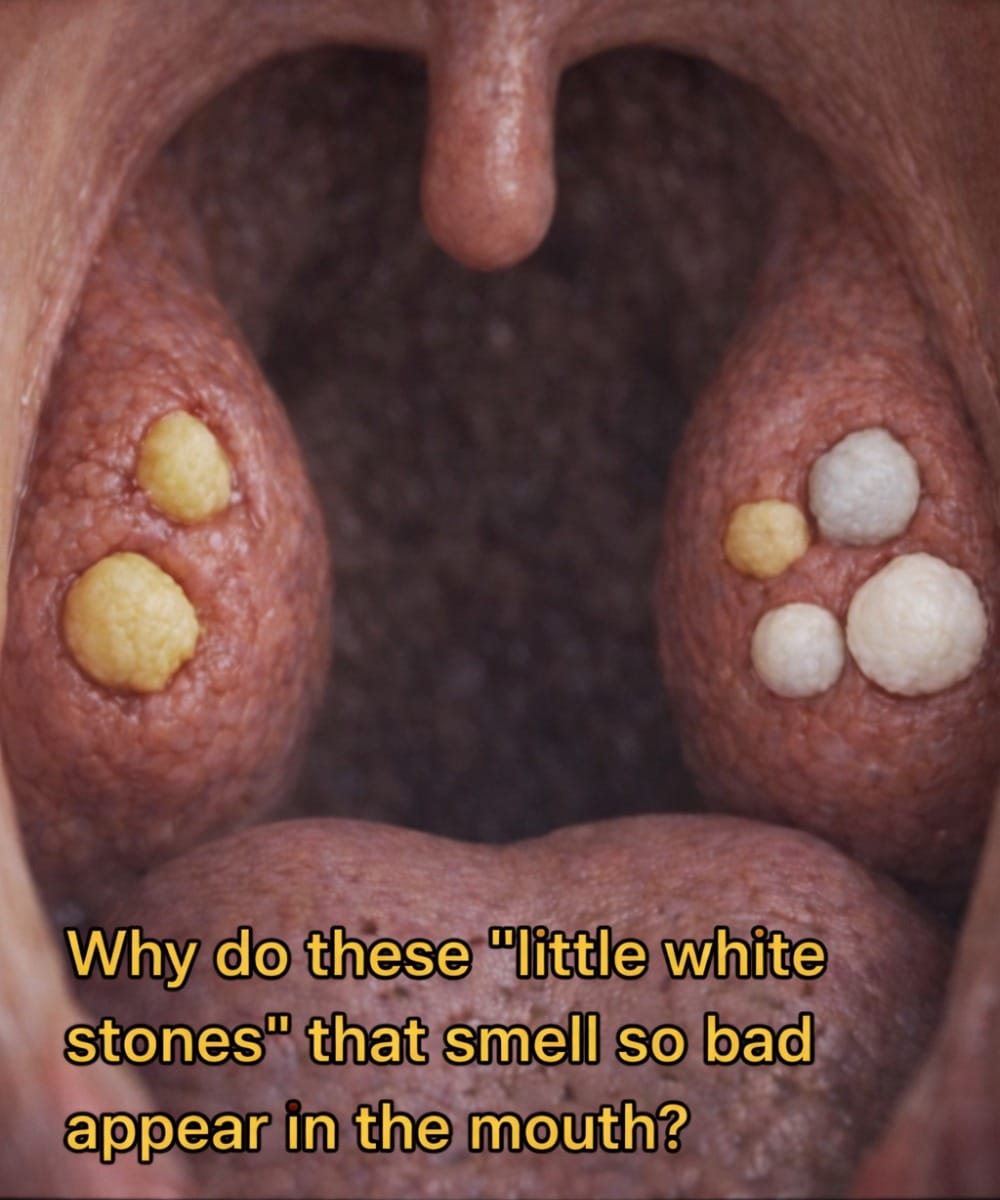
That sudden foul smell when you cough up a small, hard white or yellowish lump can be embarrassing and alarming. These lumps often cause persistent bad breath that no amount of brushing or mouthwash seems to fix, leaving you self-conscious in conversations or close interactions. Many people deal with this frustrating issue without realizing it’s a common problem tied to tonsil stones.
But what if understanding tonsil stones could help you manage the bad breath and discomfort more effectively? Keep reading to learn what they really are and some gentle ways to support better oral health.
 What Exactly Are Tonsil Stones and Why Do They Form?

Tonsil stones, also known as tonsilloliths, are small calcified deposits that develop in the natural crevices of your tonsils. These crevices trap food particles, dead cells, mucus, and bacteria, which can harden over time into tonsil stones.
According to sources like Cleveland Clinic and WebMD, tonsil stones form when debris accumulates and minerals from saliva, such as calcium, build up around it. This process is more common in people with deeper tonsil crypts or a history of tonsillitis, leading to recurring tonsil stones.
The frustrating part? Even with good hygiene, tonsil stones can still appear, causing ongoing concerns about bad breath and throat irritation.
Here’s a simple diagram to visualize how tonsil stones develop in the tonsils:
Many notice tonsil stones only when they dislodge, but they can quietly contribute to discomfort.
Why Tonsil Stones Cause Such Noticeable Bad Breath
 Why Tonsil Stones Cause Such Noticeable Bad Breath
The intense odor from tonsil stones comes from bacteria breaking down trapped material, producing volatile sulfur compounds—the same gases linked to strong bad breath smells.
Studies, including those referenced on WebMD and in medical journals, show these compounds are a key reason tonsil stones are associated with halitosis that persists despite regular oral care.
It’s especially bothersome because even one small tonsil stone can release these odors for hours, affecting confidence during the day.
Close-up views of tonsil stones highlight why they trap odor-causing bacteria so effectively:
The good news? Addressing tonsil stones gently may help reduce this issue.
Common Signs You Might Have Tonsil Stones
 Common Signs You Might Have Tonsil Stones
Even if you can’t always see them, tonsil stones can cause subtle or noticeable symptoms that impact daily comfort.
Here are some frequently reported signs associated with tonsil stones, based on insights from Healthline and Cleveland Clinic:
- Persistent bad breath not resolved by brushing
- A metallic or unpleasant taste in the throat
- Sensation of something stuck or frequent throat clearing
- Visible white or yellow spots on tonsils
- Occasional ear discomfort from shared nerves
- Mild swelling or recurring throat irritation
- Coughing up small hard lumps
- Difficulty swallowing comfortably
These signs can make tonsil stones feel particularly disruptive, especially the ongoing bad breath concern.
But that’s not all—certain factors increase the likelihood of developing tonsil stones.
Who Is More Likely to Develop Tonsil Stones?
 Who Is More Likely to Develop Tonsil Stones?
Tonsil stones affect many people, but some are more prone due to anatomy or habits.
Common risk factors include:
- Having deeper or “cryptic” tonsils with more crevices
- Experiencing post-nasal drip or sinus issues
- History of frequent tonsillitis
- Dry mouth from dehydration or certain medications
Teenagers and young adults often notice tonsil stones more as tonsils are larger during those years.
The reality is, tonsil stones can surprise anyone, adding to the frustration of unexpected bad breath.
Safe Home Approaches to Support Tonsil Stone Management
 Safe Home Approaches to Support Tonsil Stone Management
Many find relief with gentle daily habits that help dislodge or reduce tonsil stones naturally.
Gentle Removal When Visible
For noticeable tonsil stones:
- Use a clean cotton swab on low pressure gently
- Follow with vigorous salt water gargle
Daily Habits to Help Prevent Tonsil Stones
Consistency with these steps may support fewer tonsil stones:
- Gargle with warm salt water nightly
- Gently clean the tonsil area with a water flosser on low setting
- Stay well-hydrated to avoid dry mouth
- Include tongue cleaning and nasal care if needed
Here’s how a simple salt water gargle looks in practice:
And using a water flosser gently:
Medical sources like Medical News Today note salt water gargles can help loosen debris in tonsil stones.
Optional Natural Additions Some Find Helpful for Tonsil Stones
 Optional Natural Additions Some Find Helpful for Tonsil Stones
A few additions to routines that people report supporting tonsil stone management:
| Addition | Potential Support for Tonsil Stones | How to Use |
|---|---|---|
| Diluted peppermint oil | Soothing and freshening effect | 2-3 drops in water for gargle |
| Grapefruit seed extract | Antimicrobial properties in anecdotal reports | A few drops in water for gargle |
These are popular in traditional approaches, though evidence varies—always dilute properly.
The interesting part? Regular gentle care often helps with tonsil stones over time.
When to Consult a Professional About Tonsil Stones
 When to Consult a Professional About Tonsil Stones
While many manage tonsil stones at home, seek advice if:
- Stones are large or cause significant pain
- There’s bleeding during attempts to remove
- Persistent one-sided swelling
- Frequent infections impacting daily life
Options like laser treatments or tonsillectomy may be discussed for recurring tonsil stones.
Quick Overview of Common Approaches for Tonsil Stones
 Quick Overview of Common Approaches for Tonsil Stones
| Method | May Help with Bad Breath | Supports Removal | Potential Prevention | Approximate Cost |
|---|---|---|---|---|
| Salt water gargle | Yes | Yes | Good | Low |
| Water flosser (low) | Yes | Yes | Excellent | Moderate |
| Professional procedures | Yes | Yes | High | Higher |
Many find simple routines reduce tonsil stones noticeably.
Final Thoughts on Managing Tonsil Stones Naturally
Tonsil stones are a common cause of stubborn bad breath and throat discomfort, but gentle habits like hydration and gargling can offer meaningful support. You’re not alone in dealing with tonsil stones—many find relief through consistent, natural approaches.
Starting a simple routine tonight could help your breath feel fresher soon.
Frequently Asked Questions About Tonsil Stones
How often should I gargle for tonsil stones?
Try daily or after meals with salt water to potentially loosen debris from tonsil stones—adjust based on comfort.
Are tonsil stones dangerous?
Most tonsil stones are harmless but can cause discomfort; consult a doctor for persistent or painful tonsil stones.
Can tonsil stones go away on their own?
Yes, many tonsil stones dislodge naturally, but habits like gargling may support the process.
Disclaimer: This article is for informational purposes only and is not intended to diagnose, treat, or cure any condition. Remedies discussed for tonsil stones may provide supportive benefits but are not a substitute for professional medical advice. Always consult a healthcare provider for ongoing bad breath, throat issues, or concerns about tonsil stones, especially if symptoms persist or worsen. Results vary by individual.