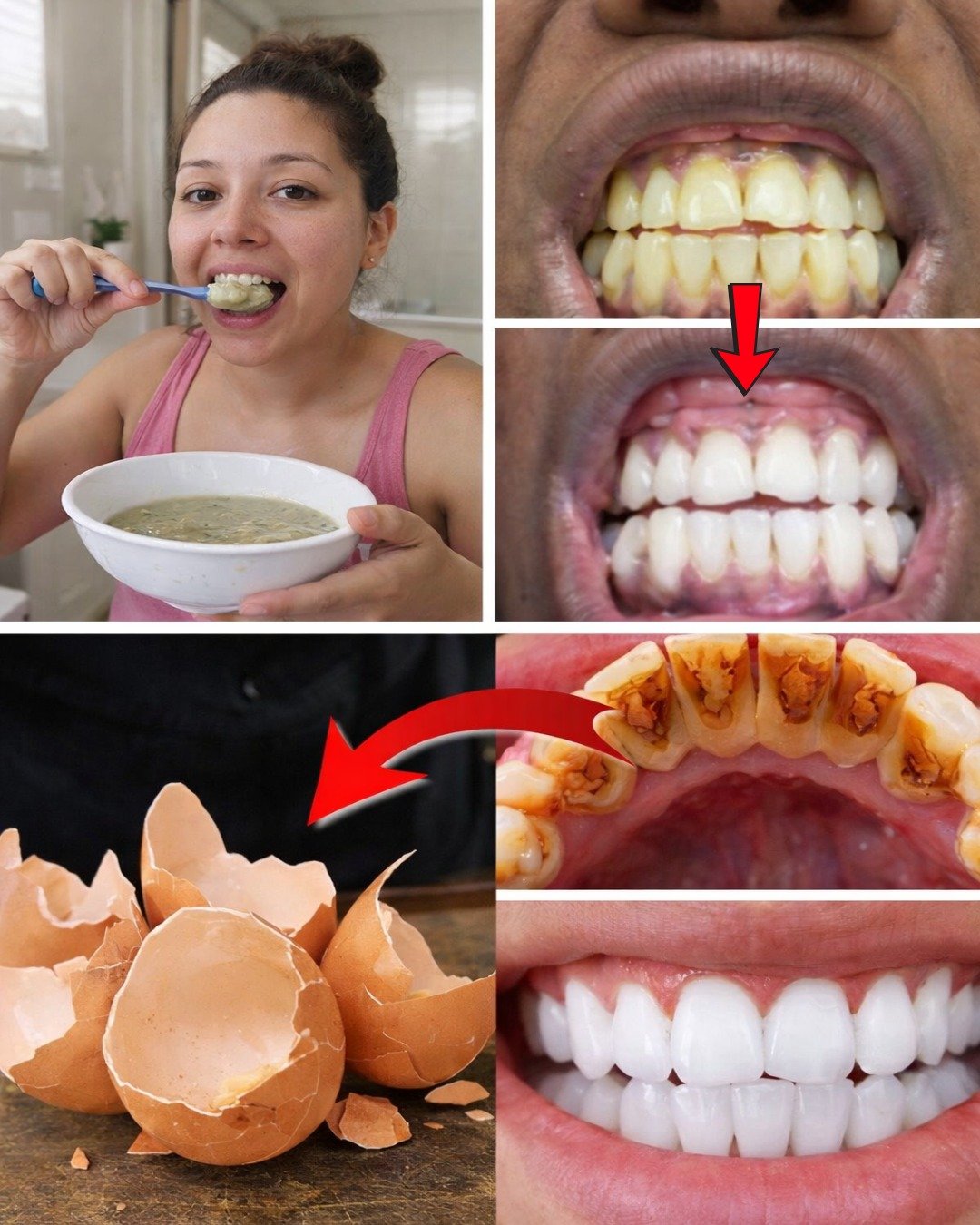
Over 80% of adults feel unhappy with the color of their teeth, and yellowing or staining tops the list of concerns in dental surveys. If you’re one of them, you know the quiet frustration—avoiding wide smiles in photos, feeling self-conscious during conversations, or trying whitening products that irritate more than they help. This viral egg and coffee teeth whitening paste has caught attention for promising a natural, low-cost way to polish away surface stains using kitchen ingredients. But does it really deliver? Stay with me as we break down the science, real experiences, and essential safety tips so you can decide if this egg and coffee teeth whitening remedy is worth trying.
 The Everyday Struggle With Yellow Teeth
 The Everyday Struggle With Yellow Teeth
Yellow teeth can feel deeply personal. Daily coffee, tea, red wine, or simply aging gradually dulls your smile, and it chips away at confidence. You brush diligently, yet the mirror still shows stubborn stains. Many people in their 20s, 30s, and beyond report hesitating to laugh freely or speak up because of discoloration. The egg and coffee teeth whitening trend appeals to exactly this frustration—offering a DIY option that skips expensive treatments. But before trying any home remedy, understanding what’s realistic helps avoid disappointment or harm.
How the Viral Egg and Coffee Teeth Whitening Paste Is Supposed to Work
 How the Viral Egg and Coffee Teeth Whitening Paste Is Supposed to Work
This trending egg and coffee teeth whitening mixture typically combines crushed egg shells, used coffee grounds, baking soda, salt, grated ginger, banana peel scrapings, and a bit of regular toothpaste. Each ingredient has a proposed role:
- Baking soda acts as a mild abrasive to polish surface stains (supported by dental research on its safe use in low concentrations).
- Crushed egg shells supply calcium that may support enamel strength.
- Coffee grounds provide gentle mechanical scrubbing.
- Salt and ginger offer antibacterial properties.
- Banana peel contains minerals like potassium and magnesium.
- Toothpaste adds fluoride and flavor.
Together, the idea is that the egg and coffee teeth whitening paste gently scrubs while delivering minerals. Some users report a smoother, slightly brighter look after one use. However, results vary widely, and not all ingredients have strong evidence for whitening.
Quick check-in: On a scale of 1–10, how satisfied are you with your smile right now? Keep that number in mind as we explore further.
Real User Stories: What People Are Saying
 Real User Stories: What People Are Saying
Abby, a mom who shared the original viral video, said the egg and coffee teeth whitening paste removed noticeable yellowing after pregnancy-related staining. She uses it sparingly and reports fresher breath and renewed confidence.
Sarah, a 38-year-old teacher and daily coffee drinker, noticed brighter front teeth after two weeks of twice-weekly use. Friends even asked if she’d had professional whitening. She experienced no sensitivity and liked the natural approach.
These stories align with the mild polishing effect many feel from baking soda-based remedies. Still, individual results depend on stain type, enamel health, and habits.
You’re now among the committed readers who want evidence-based insights—let’s dive deeper.
12 Reasons People Are Trying This Egg and Coffee Teeth Whitening Remedy
 12 Reasons People Are Trying This Egg and Coffee Teeth Whitening Remedy
Here are the most commonly cited benefits, backed where possible by science on individual ingredients:
Foundation benefits (1–4):
- Gentle polishing — Baking soda and fine grounds can remove surface stains safely when used occasionally.
- Potential remineralization — Egg shell calcium may help strengthen enamel (small studies show promise).
- Antibacterial support — Salt and ginger can reduce plaque bacteria temporarily.
- Low-abrasion scrubbing — Finely ground texture polishes without heavy damage if used correctly.
Momentum builders (5–8):
- Surface stain removal — Mechanical action may lift recent extrinsic stains.
- Fresh breath boost — Ginger and mint toothpaste combat odor.
- Mineral delivery — Banana peel provides potassium and magnesium that support overall oral health.
- Budget-friendly — Uses common pantry items instead of costly kits.
Long-term appeal (9–12):
- Confidence lift — Even small improvements can encourage bigger smiles.
- Gentler than peroxides — Avoids chemical sensitivity some experience with strips.
- Easy to fit into routines — Quick prep and twice-weekly use.
- Holistic approach — Encourages mindful oral care habits.
Bonus tip: Always use a soft-bristle toothbrush to protect gums.
Step-by-Step Guide to Making and Using the Egg and Coffee Teeth Whitening Paste Safely
 Step-by-Step Guide to Making and Using the Egg and Coffee Teeth Whitening Paste Safely
If you decide to try after consulting your dentist, here’s a common recipe (for about 4 uses):
Ingredients:
- ½ tsp salt
- ½ tsp baking soda
- ½ tsp used coffee grounds (finely ground)
- 1 tsp freshly grated ginger
- 1 clean, boiled, and dried egg shell (finely crushed)
- 1 tbsp fluoride toothpaste
- 1 tbsp inner banana peel scrapings
- 1 tsp water (if needed for consistency)
Steps:
- Boil an egg, peel, dry the shell thoroughly, then crush into fine powder.
- Combine all ingredients in a small bowl or blender until paste-like.
- Wet a soft toothbrush, dip into the paste, and brush gently for 1–2 minutes.
- Rinse thoroughly with water.
- Use no more than 1–2 times per week.
Store refrigerated in an airtight container for up to one week.
Comparison: Egg and Coffee Teeth Whitening Paste vs. Other Options
 Comparison: Egg and Coffee Teeth Whitening Paste vs. Other Options
| Method | Speed of Visible Results | Enamel Safety | Cost | Convenience |
|---|---|---|---|---|
| Egg & Coffee Paste | Immediate polish, gradual brightening | Generally high if used sparingly | Very low | Home ingredients, quick prep |
| Whitening Strips | 3–7 days | Moderate (possible sensitivity) | Medium–High | Easy but can be messy |
| Baking Soda Alone | Slow | Moderate | Low | Very simple |
| Professional Bleaching | Fast & dramatic | High (supervised) | High | Appointment required |
| Activated Charcoal | Variable | Low–Moderate (abrasive) | Medium | Messy |
Realistic Timeline and Expectations
 Realistic Timeline and Expectations
- First use: Many notice smoother feel and slight freshness.
- 1–2 weeks: Possible reduction in surface stains with consistent (but limited) use.
- 4–8 weeks: Gradual brightening for some, especially with good oral hygiene.
- Ongoing: Maintenance only—overuse risks abrasion.
Results are most noticeable on extrinsic (surface) stains, not intrinsic discoloration.
Important Safety Considerations and Cautions
 Important Safety Considerations and Cautions
This egg and coffee teeth whitening remedy is not backed by large clinical studies. Coffee grounds contain tannins that can actually contribute to staining over time. Abrasive ingredients may wear enamel if overused. Always:
- Consult your dentist first, especially if you have sensitive teeth, restorations, gum issues, or are pregnant.
- Use only 1–2 times weekly maximum.
- Avoid if allergic to any ingredient.
- Ensure egg shells are thoroughly cleaned and boiled to prevent bacterial risk.
Professional dental cleanings and fluoride treatments remain the gold-standard for safe whitening.
Your Next Steps Toward a Brighter Smile
 Your Next Steps Toward a Brighter Smile
A brighter smile doesn’t have to be complicated or expensive. While the viral egg and coffee teeth whitening paste offers an interesting natural polishing option for some, combining it with proven habits—brushing twice daily, flossing, limiting staining foods, and regular dental visits—delivers the best results.
Ready to feel more confident? Try rating your smile again on that 1–10 scale after your next brushing. Small consistent steps add up.
Bookmark this guide for reference.
Share it with a friend who’s curious about natural options.
Comment your biggest smile concern—we read every one!
P.S. Dedicated readers often add a quick water rinse followed by gentle oil pulling for extra freshness.
Frequently Asked Questions
Is the egg and coffee teeth whitening remedy safe for daily use?
No—limit to 1–2 times per week to avoid enamel wear from abrasion.
Will this remove deep or intrinsic stains?
It’s most helpful for surface stains. Deeper discoloration usually needs professional treatment.
Can children or pregnant people use it?
Consult a dentist first; extra caution is recommended.
This article is for informational purposes only and is not medical advice. Home remedies do not replace professional dental care. Always consult your dentist before trying new oral health practices.