
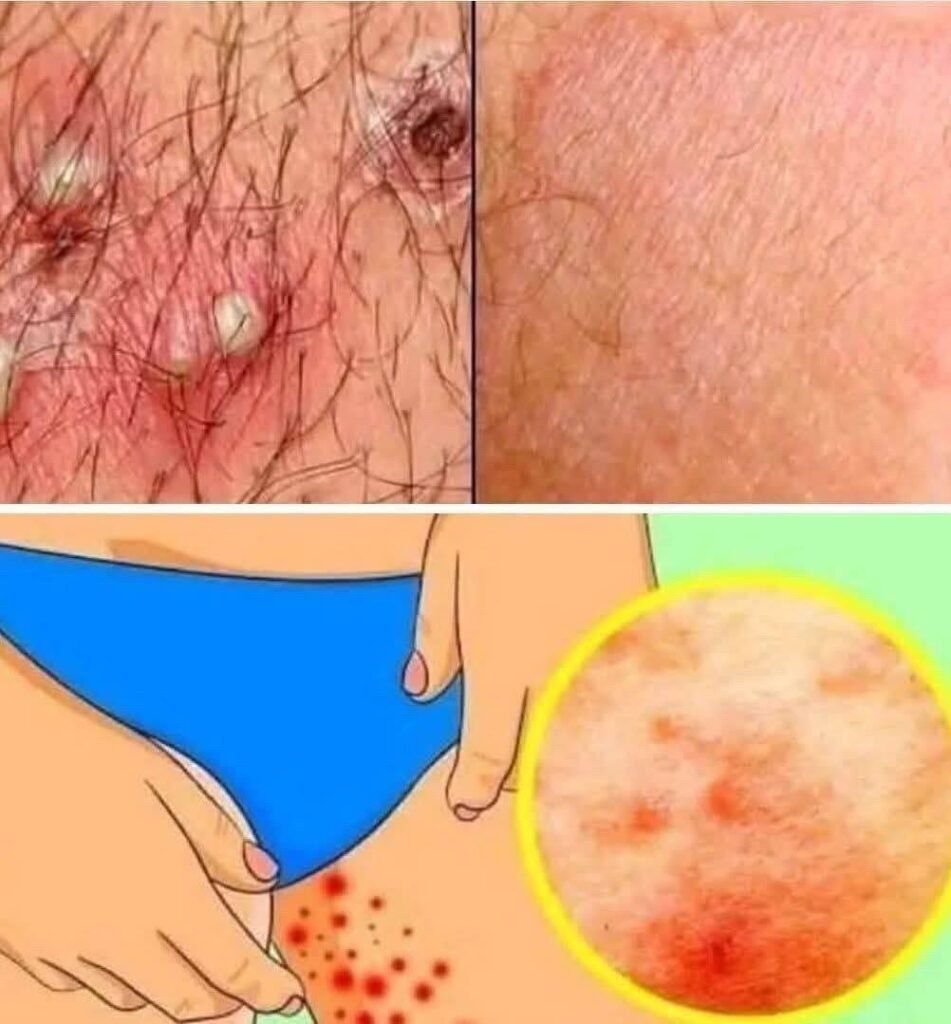
Finding a Bump in the Groin Area? Here’s What It Could Mean
Discovering a small bump in the groin area can be worrying, but in many cases, the cause is something simple and common. One of the most frequent reasons is an ingrown hair—a condition that can happen after shaving, waxing, or even from everyday friction.
While most ingrown hairs are harmless and improve on their own, knowing the signs and when to seek medical advice can help you take better care of your skin.
What Is an Ingrown Hair?
An ingrown hair occurs when a hair grows back into the skin instead of rising normally through the surface. The body may react to the trapped hair by causing:
- A small red or skin-colored bump
- Mild swelling
- Tenderness or itching
- A pimple-like appearance
- A small amount of irritation around the hair follicle
They commonly appear in areas where hair removal or friction occurs, including the:
- Groin area
- Underarms
- Legs
- Face and neck
Common Causes of Ingrown Hairs
1. Shaving or Hair Removal
Shaving can cut hairs at an angle, making it easier for them to curl back into the skin as they grow.
2. Tight Clothing
Tight underwear, pants, or athletic clothing can create friction and pressure, increasing irritation and trapping hairs beneath the skin.
3. Sweat and Friction
Warm, moist areas with repeated rubbing are more likely to develop blocked or irritated hair follicles.
4. Curly or Coarse Hair
People with naturally curly hair may be more prone to ingrown hairs because the hair can more easily grow back toward the skin.
What You Can Do at Home
For mild cases, gentle care is usually best:
- Avoid shaving the irritated area until it heals.
- Keep the skin clean and dry.
- Use a warm compress for 10–15 minutes to soothe discomfort.
- Avoid squeezing or picking the bump.
- Wear loose, breathable clothing.
Trying to force the hair out by squeezing can worsen inflammation and increase the chance of infection.
When Should You See a Doctor?
Although most ingrown hairs are harmless, medical advice may be needed if you notice:
- Severe pain
- Increasing redness
- Significant swelling
- Pus or drainage
- Fever
- Repeated infections
- A bump that does not improve over time
A healthcare professional can determine whether it is an ingrown hair or another skin condition requiring treatment.
Could It Be Something Else?
Many groin bumps are caused by harmless issues such as:
- Ingrown hairs
- Razor irritation
- Skin friction
- Inflamed hair follicles
However, other conditions can sometimes cause bumps in this area, so persistent, unusual, or worsening changes should be checked by a medical professional.
Frequently Asked Questions
Are ingrown hairs dangerous?
Usually not. Most resolve with simple care.
How long do ingrown hairs last?
Many improve within several days to a couple of weeks, depending on irritation and inflammation.
Can shaving cause ingrown hairs?
Yes. Shaving is one of the most common triggers, especially in sensitive areas.
Should I pop an ingrown hair bump?
No. Squeezing can damage the skin and increase the risk of infection.
Can tight clothing make them worse?
Yes. Friction and pressure can contribute to irritation and trapped hairs.
Final Thoughts
A sudden bump in the groin area can feel alarming, but often the cause is something as common as an ingrown hair. Shaving, friction, sweat, and tight clothing are frequent contributors.
The best approach is gentle care, avoiding irritation, and watching for warning signs. If a bump becomes painful, infected-looking, or does not improve, getting it checked by a healthcare professional is the safest choice.
Sometimes a small skin change creates a big worry—but understanding what your body is showing you can make the situation much easier to handle.