
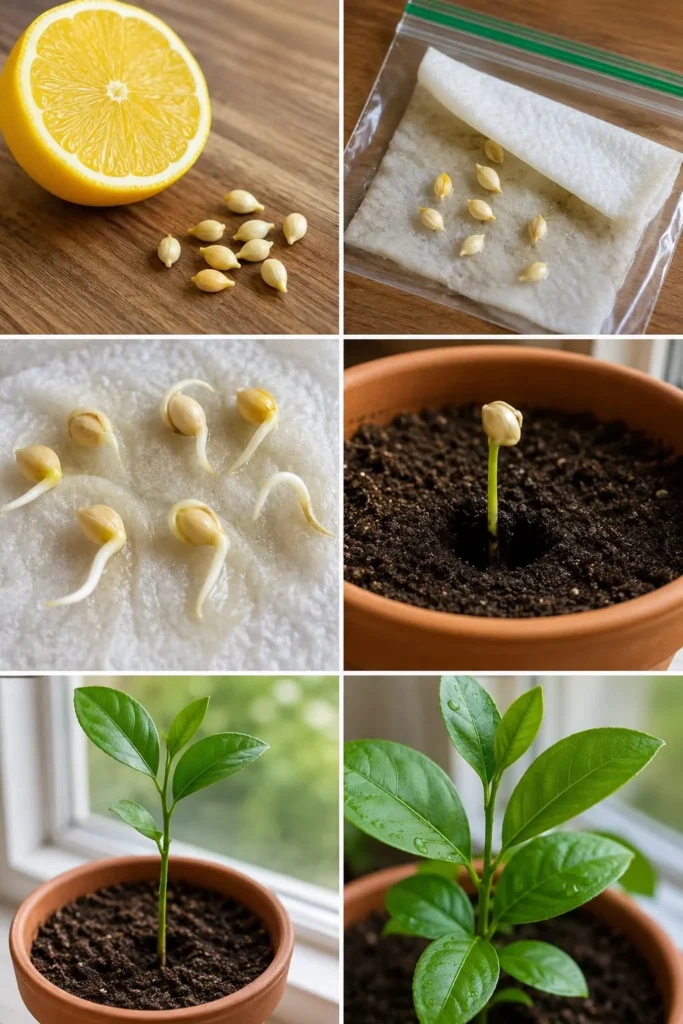
How to germinate lemon tree without any previous gardening experience
Growing your own lemon tree from seed is a rewarding and surprisingly simple project, even if you’ve never gardened before. Lemons are not only delicious and versatile, but the trees themselves also make beautiful indoor or outdoor plants. With just a few household items and some patience, you can start your own lemon tree from scratch. Here’s a step-by-step guide to help you germinate a lemon tree with no prior gardening experience.
What You’ll Need
A ripe lemon (preferably organic)
A small knife
A bowl of water
Paper towels
A resealable plastic bag
A small pot (3 to 6 inches)
Potting soil (preferably well-draining citrus mix)
A sunny window or warm spot
Step 1: Choose the Right Lemon
Start with a ripe, healthy lemon. Organic lemons are ideal because they’re less likely to have seeds treated with chemicals that prevent germination. Slice the lemon and gently remove the seeds, taking care not to damage them.
Step 2: Clean and Prepare the Seeds
Place the seeds in a bowl of water and rub them gently between your fingers to remove any pulp. Rinse them thoroughly and discard any floating seeds, as these are usually not viable. To further increase germination chances, peel off the thin outer shell of the seed using your fingernails or a small knife. Be careful not to damage the inner seed.
Step 3: Pre-Germinate the Seeds
Take a damp paper towel and place the clean seeds on it, then fold the towel over them. Place the towel inside a resealable plastic bag. This mini greenhouse creates the perfect humid environment for germination. Keep the bag in a warm place, like on top of the refrigerator or near a window that gets sunlight.
Check the seeds every few days to ensure the towel remains moist but not soggy. After 7 to 14 days, you should see small roots sprouting from some of the seeds. Once the root is about half an inch long, the seed is ready for planting.
Step 4: Planting the Sprouted Seeds
Fill a small pot with well-draining potting soil. A citrus mix or a blend of peat, perlite, and compost works well. Make a small hole about half an inch deep, place the sprouted seed root-down, and gently cover it with soil. Water lightly to moisten the soil but avoid overwatering.
Place the pot in a warm, sunny location, such as a windowsill that gets several hours of sunlight each day. Lemons love light and warmth, so the more natural light they receive, the better.
Step 5: Caring for Your Lemon Seedling
In the first few weeks, keep the soil slightly moist but not soggy. Overwatering can lead to root rot, especially in young seedlings. Once the plant begins to grow, you can water it when the top inch of soil feels dry.
As your seedling grows, it will develop its first set of true leaves, which are different from the initial tiny sprout leaves. When the plant is about 4 to 6 inches tall, you can consider repotting it into a slightly larger pot to give the roots more space.
Step 6: Light and Temperature
Lemon trees thrive in warm, sunny conditions. Aim for at least 8 hours of sunlight per day. If you live in a region with limited sunlight, consider using a grow light to supplement natural light.
Keep your lemon plant away from cold drafts and sudden temperature changes. If growing indoors, avoid placing it too close to air conditioners or heating vents.
Step 7: Long-Term Tips
Although lemon trees grown from seed take several years to bear fruit—sometimes up to five years or more—they make beautiful and fragrant houseplants in the meantime. Once the plant is larger and well-established, you can begin fertilizing it monthly with a balanced fertilizer suitable for citrus.
Be patient and consistent. With the right care, your lemon tree will grow strong and healthy, bringing you the joy of homegrown citrus down the road.
Final Thoughts
Starting a lemon tree from seed is a wonderful project for beginners. It requires minimal materials, no special skills, and only a bit of dedication. Watching your seed transform into a thriving tree is a satisfying and educational experience. Even if it never bears fruit, the plant itself is a cheerful and aromatic addition to any home or garden. Give it a try—you might be surprised how easy it is to get started with gardening.