
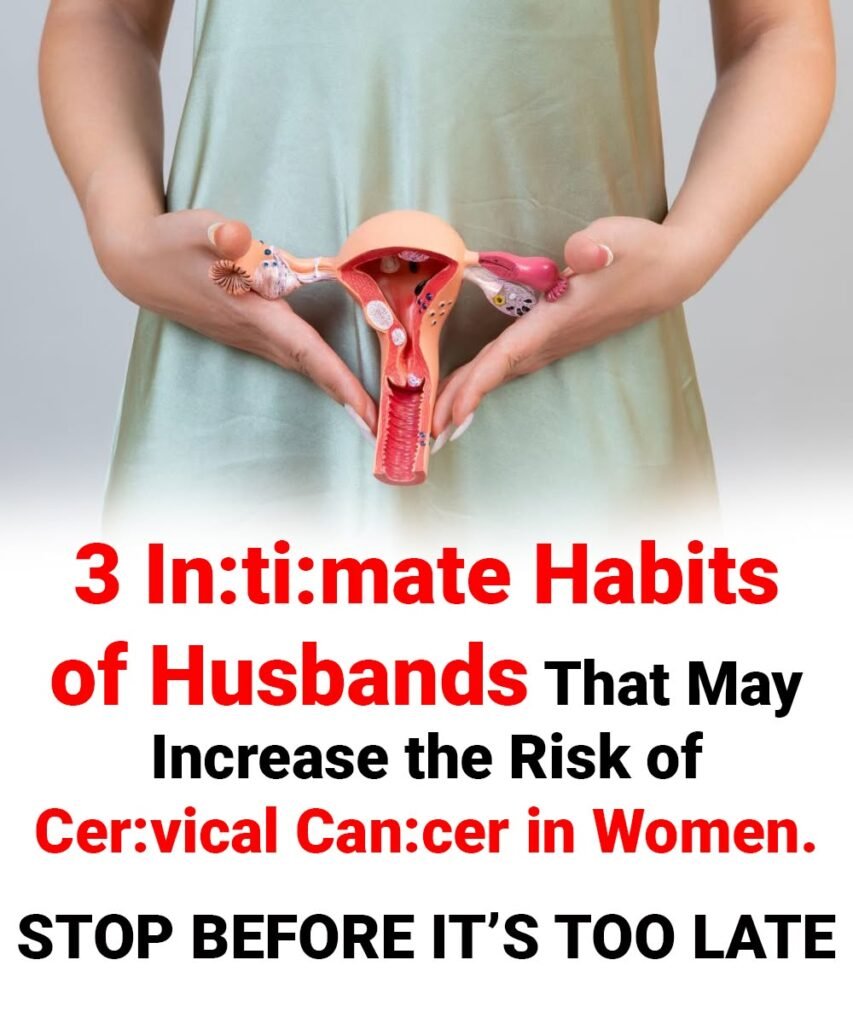
3 Intimate Habits That Can Increase the Risk of Cervical Cancer — And How Couples Can Help Protect Each Other
Cervical cancer is one of the most preventable forms of cancer, thanks to screening tests, vaccination, and early treatment of precancerous changes. Despite these advances, it continues to affect many women around the world each year.
The primary cause of cervical cancer is persistent infection with high-risk types of the human papillomavirus (HPV). HPV is a very common virus that is spread through intimate skin-to-skin contact. In many cases, the immune system clears the infection naturally, but when high-risk HPV persists over time, it can lead to changes in cervical cells that may eventually develop into cancer.
Certain relationship and sexual health habits can influence the risk of HPV transmission or persistence. Here are three important areas couples should be aware of.
1. Neglecting Personal Hygiene
Good personal hygiene is an important part of maintaining overall reproductive health. While poor hygiene does not directly cause cervical cancer, it can contribute to irritation or infections that may affect the natural balance of the genital area.
Why It Matters
Maintaining clean hands and genital hygiene before intimate contact may help reduce the spread of bacteria and other microorganisms that can contribute to irritation or infection.
Healthy vaginal tissue is better able to protect itself against various infections.
Healthy Habits for Couples
- Wash hands before intimate contact.
- Maintain regular personal hygiene.
- Wear clean underwear and breathable fabrics.
- Avoid heavily scented soaps or products that may disrupt the natural vaginal environment.
- Seek medical care if either partner notices unusual symptoms.
2. HPV Exposure and Unprotected Sexual Contact
High-risk HPV infection is the leading cause of cervical cancer. Because HPV often causes no symptoms, many people do not realize they have been exposed.
A person can carry HPV for months or even years without knowing it, making regular preventive care especially important.
Key Facts About HPV
- HPV is extremely common.
- Most HPV infections clear on their own.
- Persistent infection with high-risk HPV types—especially types 16 and 18—accounts for the majority of cervical cancer cases.
- Even people in long-term relationships may have been exposed before the relationship began.
Ways to Reduce Risk
- Discuss sexual health openly with your partner.
- Consider HPV vaccination if eligible.
- Follow your healthcare provider’s recommendations regarding protection.
- Encourage regular health checkups for both partners.
Vaccination is highly effective at preventing infection from the HPV types responsible for most cervical cancers.
3. Skipping Regular Screening and Ignoring Symptoms
One of the biggest preventable risk factors is delaying routine cervical cancer screening.
Early changes in cervical cells usually cause no symptoms, which is why regular screening is so important.
Warning Signs That Should Be Evaluated
Although early cervical changes often go unnoticed, women should seek medical advice if they experience:
- Bleeding after sexual intercourse
- Bleeding between menstrual periods
- Bleeding after menopause
- Persistent pelvic pain
- Unusual vaginal discharge
- Pain during intercourse
These symptoms can have many possible causes and do not necessarily indicate cancer, but they should always be evaluated by a healthcare professional.
Why Screening Saves Lives
Regular Pap tests and HPV testing can detect abnormal cervical cells before they become cancerous.
When identified early, these changes can often be treated successfully, preventing cervical cancer from developing.
How Couples Can Support Each Other
Protecting reproductive health is a shared responsibility.
Couples can lower their risk by:
- Practicing good personal hygiene.
- Staying informed about HPV.
- Considering HPV vaccination when appropriate.
- Attending recommended medical checkups.
- Encouraging regular Pap smears and HPV screening.
- Seeking medical attention promptly for unusual symptoms.
- Communicating openly about sexual health without fear or embarrassment.
Frequently Asked Questions
Can poor hygiene cause cervical cancer?
No. Poor hygiene does not directly cause cervical cancer. However, maintaining good hygiene supports overall reproductive health and may help reduce irritation and certain infections.
Is HPV always sexually transmitted?
HPV is primarily spread through intimate skin-to-skin contact, including sexual activity. Because it often causes no symptoms, many people do not know they are infected.
Can cervical cancer be prevented?
Many cases can be prevented through HPV vaccination, regular cervical screening, timely treatment of abnormal cell changes, and avoiding tobacco use.
Should men be concerned about HPV?
Yes. Men can carry and transmit HPV even without symptoms. HPV can also cause certain cancers in men, making vaccination and awareness beneficial for everyone.
Final Thoughts
Cervical cancer is one of the few cancers where prevention is highly effective. Understanding the role of HPV, maintaining healthy relationship habits, and keeping up with recommended screening can greatly reduce the risk.
Protecting cervical health is not solely a woman’s responsibility. Open communication, shared awareness, and preventive healthcare allow couples to support one another and make informed decisions for their long-term well-being.
Medical Disclaimer: This article is intended for educational purposes only and should not replace professional medical advice. If you have questions about HPV, cervical cancer screening, vaccination, or any reproductive health concerns, consult a qualified healthcare provider.