
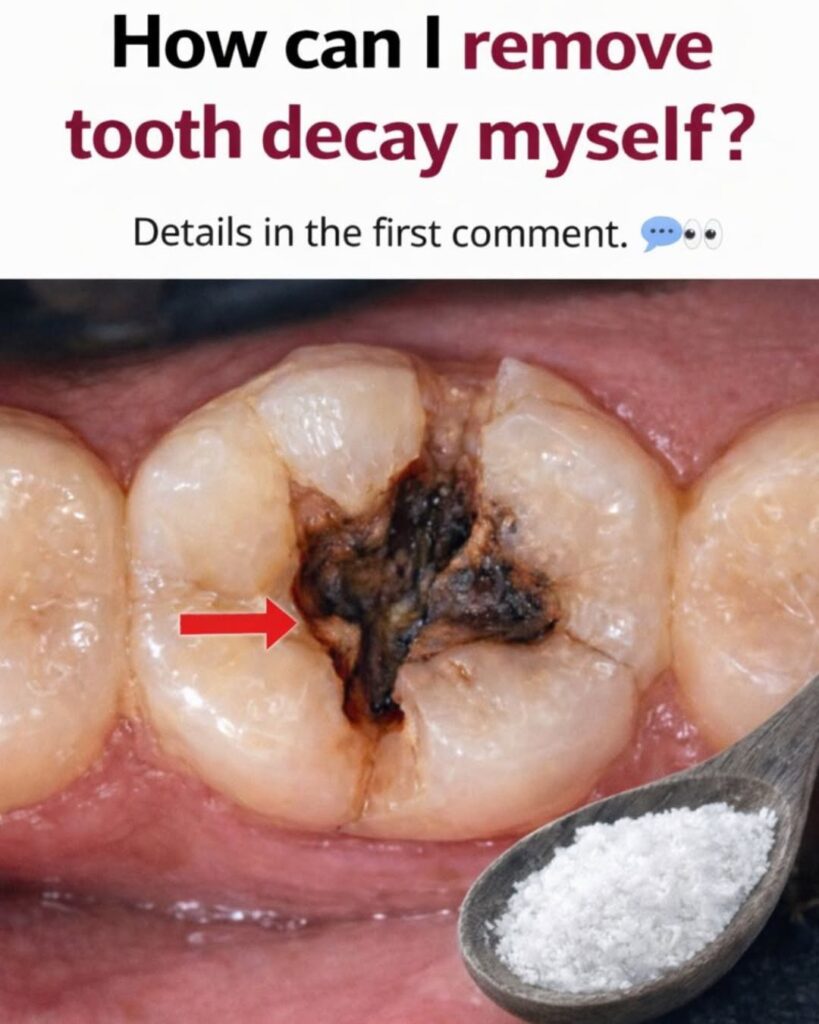
Tooth decay can sneak up on you, causing sharp pain, sensitivity, and worry about expensive dental visits. Many people search for quick home fixes hoping to avoid the drill, but the discomfort often builds, leading to sleepless nights and bigger problems down the line. The good news? While you can’t safely remove established tooth decay at home, research from sources like the National Institute of Dental and Craniofacial Research shows that early-stage demineralization can often be halted or even reversed with consistent habits. Stick around—I’ll share the practical steps that actually help protect your teeth and when it’s time to get professional help.
What Tooth Decay Really Is (And Why DIY Removal Is a Myth)
Tooth decay starts when bacteria in your mouth feed on sugars and produce acids that slowly dissolve the protective enamel layer. Over time, this creates weak spots or white patches, and if ignored, it progresses to holes (cavities) that reach deeper into the dentin.
Once a cavity forms—a physical hole in the tooth—the damaged structure can’t be simply scrubbed away at home. Professional tools are needed to remove decayed tissue safely and restore the tooth.
But here’s the key: Popular DIY methods like scraping with tools, using abrasive pastes, or aggressive picking can push bacteria deeper, worsen infection, or damage healthy enamel even more.
The honest truth is that no home remedy can physically remove established decay—claims promising that are misleading and potentially harmful.
What You Can Do Yourself (That Actually Works)
While you can’t eliminate a full cavity on your own, you can take meaningful steps to stop early decay in its tracks, ease discomfort, and prevent worsening. These evidence-based habits, supported by organizations like the American Dental Association (ADA), focus on strengthening enamel and reducing bacterial acid attacks.
1. Stop or Halt Early-Stage Decay (The White Spot Phase)
Early decay often appears as chalky white spots on teeth, where minerals have started to leach out but no hole has formed yet. At this point, remineralization is possible through consistent care.
Here are effective daily strategies:
- Brush twice a day for two minutes with a fluoride toothpaste (fluoride helps replace lost minerals and strengthens enamel, as confirmed by multiple studies).
- Use a fluoride mouth rinse, especially before bed, to boost protection overnight.
- Cut back on sugary and acidic foods/drinks—limit snacking to reduce acid exposure time.
- Chew sugar-free gum with xylitol after meals; it stimulates saliva and reduces harmful bacteria.
- Drink fluoridated tap water when possible—it provides a steady, low-level source of fluoride for natural protection.
But wait—that’s not all… These simple changes can make a real difference when started early, often before any drilling is needed.
2. Manage Pain and Sensitivity (For Temporary Comfort)
If decay has advanced to sensitivity or mild pain, home care can provide relief while you arrange a dental visit.
Try these gentle approaches:
- Rinse with warm salt water (1/2 teaspoon salt in 8 ounces warm water) several times a day to soothe inflammation and keep the area clean.
- Avoid extreme temperatures—skip very hot, cold, or sugary items that trigger discomfort.
- Keep the area clean after eating by gently brushing and flossing.
- Consider over-the-counter temporary dental cement (available at pharmacies) to cover exposed spots briefly—but only as a short-term bridge to professional care.
These steps reduce irritation but don’t address the underlying decay—think of them as band-aids, not cures.
3. Slow Progression Even With an Existing Cavity
Even if a small cavity is present, you can help prevent it from spreading deeper.
Daily habits that make a difference:
- Brush gently but thoroughly around the sensitive area with soft bristles.
- Floss daily to remove food particles and plaque that feed bacteria.
- Avoid chewing on the affected side to reduce pressure and further damage.
- Never use sharp objects or picks at home—this risks infection or cracking the tooth.
Popular Internet Remedies: What Really Works?
Many online suggestions sound promising, but most fall short when it comes to removing decay.
Here’s a quick comparison based on scientific evidence:
- Salt or baking soda → No removal of decay; may mildly reduce bacteria but won’t remineralize.
- Oil pulling (with coconut oil) → Temporary soothing and some bacteria reduction; no proven cavity reversal.
- Clove oil → Offers pain relief due to natural eugenol; great for temporary comfort, not decay removal.
- Activated charcoal → Can be abrasive and damage enamel over time—avoid for decay issues.
- “Natural tooth fillers” → Often unsafe and ineffective; no reliable evidence supports them.
If a product claims to “fill” or “erase” cavities at home, it’s usually too good to be true.
When You Must See a Dentist (No Exceptions)
Don’t wait if you notice:
- Visible holes, dark spots, or pits on teeth
- Ongoing pain or throbbing
- Sensitivity that lasts more than a few days
- Swelling, pus, bad taste, or fever signs
- Cracked or broken teeth
Delaying can lead to infection spreading, the need for root canals, or even tooth loss. Early professional care is often simpler and less costly.
Regular check-ups catch issues when they’re easiest to manage.
Quick Actionable Steps You Can Start Today
- Switch to fluoride toothpaste and brush twice daily.
- Add a fluoride rinse to your evening routine.
- Chew xylitol gum after meals for 10-20 minutes.
- Rinse with warm salt water for pain relief.
- Schedule that dental appointment—don’t put it off.
These habits build stronger teeth over time and give you real control over your oral health.
Conclusion
Tooth decay doesn’t have to spiral out of control. While you can’t safely remove established decay yourself, catching it early with fluoride, smart habits, and reduced sugars lets you halt or reverse the early process naturally. Professional care remains essential for anything beyond white spots—but starting these steps today can protect your smile for years to come.
Frequently Asked Questions (FAQ)
Can early tooth decay really be reversed at home?
Yes, in the demineralization stage (white spots), consistent use of fluoride and good hygiene can help remineralize enamel, according to sources like the NIDCR.
Do natural remedies like oil pulling cure cavities?
No—they may reduce bacteria or soothe pain temporarily, but they can’t remove or fill decay.
How soon should I see a dentist for tooth pain?
As soon as possible, especially if pain persists or worsens—early intervention prevents bigger issues.
Disclaimer: This article is for informational purposes only and is not a substitute for professional medical or dental advice. Always consult a qualified dentist for diagnosis and treatment of oral health concerns.
(Word count: approximately 1350)
Just say “A” if you’d like me to generate 2 realistic UGC mobile photography style images (16:9 ratio, natural light, soft shadows, handheld feel) to illustrate key sections—like one showing fluoride toothpaste and xylitol gum on a bathroom counter, and another featuring a warm salt water rinse preparation with simple everyday items. The images will be distinct and focused on everyday ingredients/tools.