
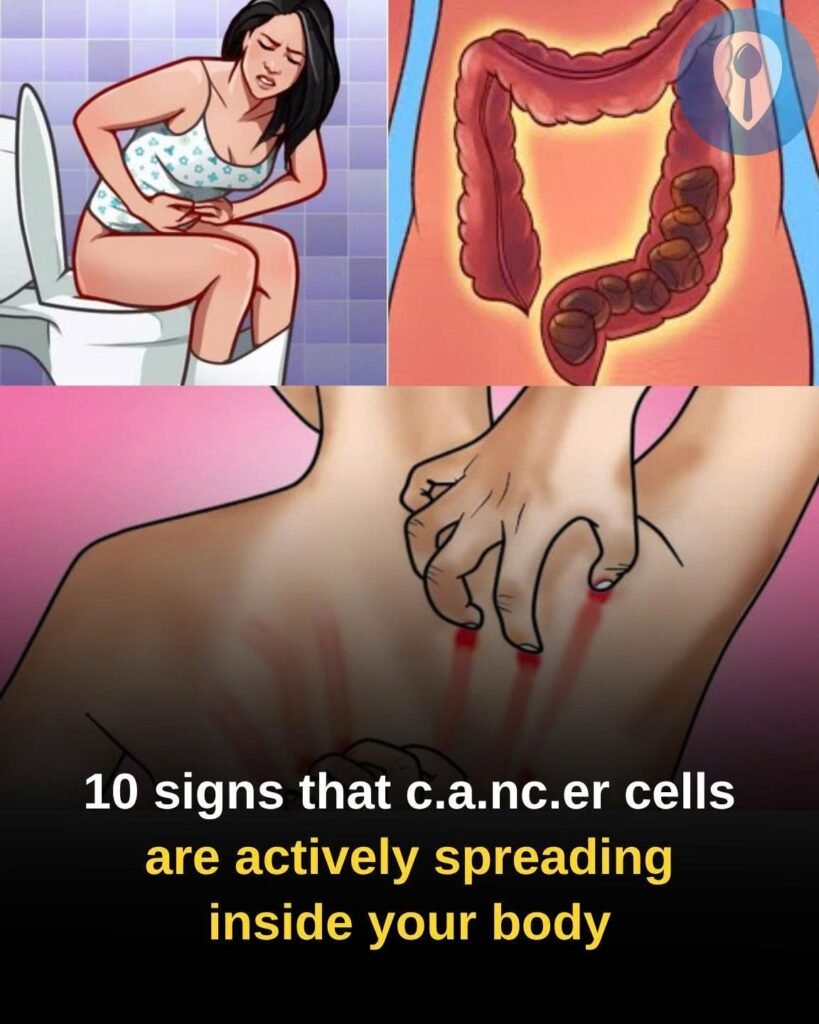
10 Quiet Signals Your Body May Be Sending: Early Warning Signs of Cancer You Shouldn’t Ignore
Cancer does not always begin with severe pain or dramatic symptoms. In many cases, the earliest warning signs are subtle changes that develop gradually over time.
Most of these symptoms are far more likely to be caused by conditions other than cancer. However, when a symptom is persistent, unexplained, or continues to worsen, it deserves medical attention.
Listening to your body isn’t about living in fear—it’s about recognizing changes early, when many conditions, including some cancers, are more treatable.
Here are 10 symptoms healthcare professionals recommend paying attention to.
1. Persistent Changes in Bowel Habits
Occasional constipation or diarrhea is common and usually not serious.
However, you should consider seeing a healthcare professional if you notice:
- Ongoing diarrhea
- Persistent constipation
- Narrow or pencil-thin stools
- Blood in the stool
- Changes lasting several weeks
These symptoms may be related to digestive conditions, infections, inflammatory bowel disease, or, in some cases, colorectal cancer.
2. Ongoing Abdominal Pain or Bloating
Persistent bloating that occurs almost every day—especially when accompanied by abdominal discomfort or feeling full quickly—should not be ignored.
Possible causes include:
- Digestive disorders
- Food intolerances
- Ovarian conditions
- Gastrointestinal diseases
If bloating is new, persistent, or worsening, medical evaluation is recommended.
3. Extreme Fatigue That Doesn’t Improve With Rest
Everyone feels tired occasionally.
However, unusual fatigue that:
- Lasts for weeks
- Doesn’t improve with sleep
- Interferes with daily activities
may indicate an underlying health condition.
Persistent fatigue can be associated with anemia, infections, thyroid disorders, depression, or, less commonly, certain cancers.
4. Unexplained Weight Loss
Losing weight without changing your diet or exercise routine may deserve medical evaluation.
Many experts recommend discussing unexplained weight loss with your healthcare provider, especially if you lose a significant amount over several months without trying.
Potential causes include:
- Thyroid disorders
- Diabetes
- Digestive diseases
- Chronic infections
- Certain cancers
5. Changes in Your Skin
Your skin often provides important clues about your overall health.
Watch for:
- New or changing moles
- Sores that don’t heal
- Persistent itching
- Yellowing of the skin or eyes (jaundice)
- Unusual dark or red patches
Monthly skin self-examinations can help you notice changes early.
6. Persistent Pain Without an Obvious Cause
Pain is your body’s way of signaling that something may be wrong.
Pain that:
- Persists for weeks
- Gradually worsens
- Has no clear explanation
- Doesn’t improve with routine treatment
should be evaluated by a healthcare professional.
Most chronic pain is not caused by cancer, but persistent symptoms deserve proper assessment.
7. Unusual Bleeding or Discharge
Unexpected bleeding should never be ignored.
Examples include:
- Blood in the stool
- Blood in the urine
- Coughing up blood
- Vaginal bleeding after menopause
- Unexplained nipple discharge
These symptoms may have many possible causes, but prompt medical evaluation is important.
8. Difficulty Swallowing or Ongoing Hoarseness
If swallowing becomes uncomfortable or you notice persistent hoarseness lasting more than two to three weeks, consult your healthcare provider.
Possible causes include:
- Acid reflux
- Thyroid disorders
- Vocal cord problems
- Infections
- Other conditions requiring treatment
9. Shortness of Breath or Chest Discomfort
New or worsening shortness of breath should always be taken seriously.
It may result from:
- Heart disease
- Lung disease
- Anemia
- Respiratory infections
- Other medical conditions
Seek urgent medical care if breathing difficulty is severe or accompanied by chest pain.
10. New Lumps or Swelling
A new lump does not automatically mean cancer.
However, you should have any lump evaluated if it:
- Persists for more than two to three weeks
- Continues to grow
- Feels hard
- Does not move easily under the skin
Pay attention to lumps found in the:
- Breast
- Neck
- Armpit
- Groin
- Testicles
Regular self-examinations can help you recognize changes earlier.
When Should You See a Doctor?
Schedule a medical evaluation if you notice symptoms that:
- Last longer than expected
- Continue to worsen
- Return repeatedly
- Have no obvious explanation
- Interfere with daily life
Most persistent symptoms are not caused by cancer, but early diagnosis of any health condition often leads to better treatment outcomes.
Frequently Asked Questions
Do these symptoms always mean cancer?
No. Most of these symptoms have many possible causes, and most people experiencing them do not have cancer.
How long should symptoms last before I see a doctor?
If symptoms persist for several weeks, worsen over time, or concern you, it’s appropriate to seek medical advice sooner rather than later.
Can young people develop cancer?
Yes. Although cancer becomes more common with age, it can occur in younger adults as well. Persistent unexplained symptoms should not be ignored regardless of age.
Why is early detection important?
Many cancers are easier to treat when diagnosed at an early stage. Regular screening and prompt evaluation of persistent symptoms can improve outcomes.
Final Thoughts
Your body often communicates through gradual changes rather than sudden emergencies. Paying attention to persistent symptoms does not mean expecting the worst—it means giving your health the attention it deserves.
If something feels unusual, continues for several weeks, or simply doesn’t seem right, speak with a qualified healthcare professional. Early evaluation can provide reassurance, identify treatable conditions, or detect serious illnesses at a stage when treatment may be more effective.
Medical Disclaimer: This article is for educational purposes only and should not replace professional medical advice, diagnosis, or treatment. Always consult a qualified healthcare provider regarding persistent or concerning symptoms.