
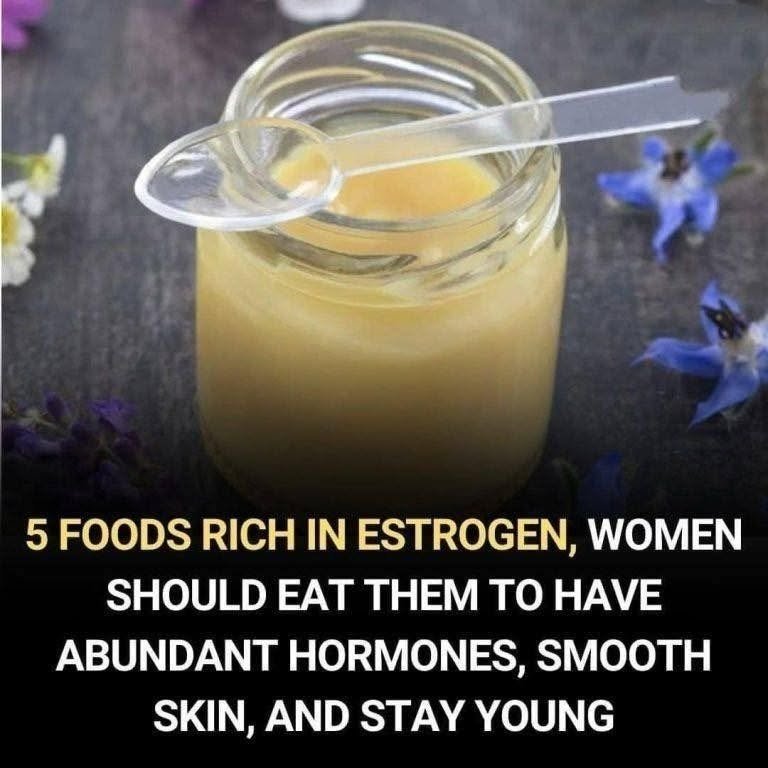
5 Estrogen-Rich Foods Women Should Eat for Hormone Balance, Glowing Skin, and Healthy Aging
Estrogen is one of the most important hormones in a woman’s body. It plays a role in reproductive health, bone strength, mood regulation, and skin maintenance.
As women age, estrogen levels naturally change, especially during perimenopause and menopause. These hormonal shifts may contribute to changes such as hot flashes, dry skin, mood changes, and changes in energy levels.
While food cannot replace medical treatment for hormone conditions, a balanced diet rich in phytoestrogens—plant compounds that can interact with estrogen receptors in the body—may support overall wellness.
Here are five nutrient-rich foods women can add to their daily routine to support hormone health, healthy skin, and aging well.
1. Flaxseeds — A Powerful Source of Phytoestrogens
Flaxseeds are among the richest dietary sources of lignans, a type of phytoestrogen found in plants.
These tiny seeds are also packed with:
- Omega-3 fatty acids
- Fiber
- Antioxidants
- Essential nutrients
Potential Benefits:
- Supports overall hormone balance
- Promotes healthy digestion
- Supports heart health
- Helps maintain skin hydration
- Provides anti-inflammatory nutrients
How to Eat Flaxseeds:
Try adding ground flaxseeds to:
- Smoothies
- Oatmeal
- Yogurt
- Salads
- Homemade baked goods
A small daily serving can be an easy way to increase your intake of plant-based nutrients.
2. Soy Products — A Natural Source of Isoflavones
Soy foods contain isoflavones, a type of phytoestrogen that has been widely studied for its relationship with women’s health.
Traditional soy-consuming populations have often been studied for their lower rates of certain menopause symptoms, although individual experiences vary.
Soy Foods Include:
- Tofu
- Edamame
- Tempeh
- Soy milk
- Miso
Potential Benefits:
- Supports bone health
- Provides plant-based protein
- May help manage some menopause symptoms
- Supports a balanced diet
Choosing minimally processed soy foods can be a nutritious addition to many eating patterns.
3. Chickpeas — The Hormone-Friendly Protein Source
Chickpeas are a nutrient-dense legume containing fiber, protein, vitamins, minerals, and plant compounds.
Their phytoestrogen content makes them an interesting food choice for women looking to support overall hormone wellness.
Potential Benefits:
- Supports digestive health
- Helps maintain steady energy levels
- Provides plant-based protein
- Supports healthy skin through nutrient intake
Easy Ways to Add Chickpeas:
Enjoy chickpeas in:
- Hummus
- Salads
- Soups
- Stews
- Roasted snacks
They are a simple way to make meals more filling and nutritious.
4. Dried Fruits — Sweet Foods With Plant Compounds
Dried fruits such as apricots, dates, and prunes contain antioxidants, fiber, and naturally occurring plant compounds.
They can be a healthier alternative when you want something sweet, especially when combined with nuts or seeds.
Potential Benefits:
- Provides antioxidants
- Supports digestive health
- Adds natural sweetness to meals
- Provides vitamins and minerals
How to Enjoy Dried Fruits:
Try:
- Adding them to oatmeal
- Mixing them with nuts
- Blending them into homemade energy bites
- Eating a small portion as a snack
Because dried fruits are concentrated in natural sugars, portion size matters.
5. Sesame Seeds — Small Seeds With Big Nutritional Value
Sesame seeds contain lignans, minerals, healthy fats, and antioxidants.
They are especially valued for nutrients such as:
- Calcium
- Zinc
- Magnesium
- Healthy fats
Potential Benefits:
- Supports bone health
- Provides skin-supporting nutrients
- Adds important minerals to the diet
- Supports overall wellness
How to Use Sesame Seeds:
Add them to:
- Stir-fries
- Salads
- Roasted vegetables
- Homemade dressings
You can also enjoy tahini, a creamy paste made from ground sesame seeds.
How Diet Supports Women’s Hormone Health
Hormones are influenced by many factors, including:
- Nutrition
- Sleep quality
- Physical activity
- Stress levels
- Overall health
Eating a variety of whole foods provides the nutrients your body needs to function properly.
A hormone-supporting lifestyle may include:
- Eating enough protein
- Choosing fiber-rich foods
- Staying physically active
- Drinking enough water
- Prioritizing quality sleep
Frequently Asked Questions
Do estrogen-rich foods increase estrogen levels?
Foods containing phytoestrogens do not work exactly like human estrogen. They may interact with estrogen receptors, but their effects vary from person to person.
Can these foods reduce menopause symptoms?
Some women report benefits from diets rich in phytoestrogen-containing foods, but results vary. Severe or persistent symptoms should be discussed with a healthcare professional.
Are phytoestrogen foods safe?
For most people, moderate amounts of phytoestrogen-rich foods are considered safe as part of a balanced diet. People with specific medical conditions should discuss dietary changes with their doctor.
Which food is highest in phytoestrogens?
Flaxseeds are considered one of the richest dietary sources of lignans, while soy foods are rich in isoflavones.
Final Thoughts
Adding nutrient-rich, phytoestrogen-containing foods to your diet can be a simple way to support overall wellness as your body changes through different stages of life.
Flaxseeds, soy products, chickpeas, dried fruits, and sesame seeds are not miracle solutions, but they can be valuable parts of a balanced lifestyle focused on healthy aging, energy, and nourishment.
Medical Disclaimer: This article is for educational purposes only and should not replace professional medical advice, diagnosis, or treatment. Consult a qualified healthcare provider before making major dietary changes related to hormone health.