
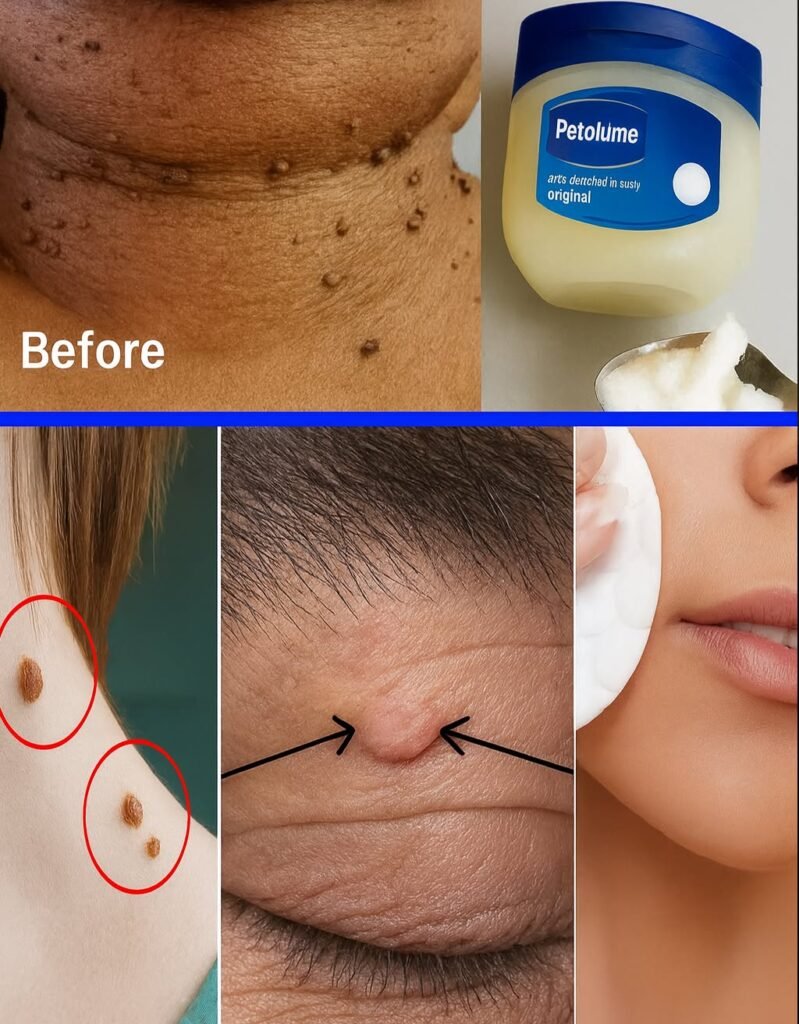
Can Vaseline Remove Skin Tags? The Truth About This Popular Home Remedy
Skin tags are small, soft, harmless skin growths that commonly appear on areas where skin rubs against skin or clothing, such as the neck, underarms, eyelids, and groin area.
Although skin tags are usually not dangerous, many people look for simple home remedies to make them disappear. One popular method involves using Vaseline (petroleum jelly).
But can Vaseline actually remove skin tags overnight?
The answer is no. Vaseline does not dissolve, shrink, or permanently remove skin tags. However, it can help protect and moisturize the skin, especially after professional skin tag removal.
What Are Skin Tags?
Skin tags, also known medically as acrochordons, are small, soft growths made up of collagen fibers, blood vessels, and skin cells.
They are usually:
- Flesh-colored or slightly darker than the surrounding skin
- Soft and flexible
- Painless
- Found in skin folds
Common locations include:
- Neck
- Armpits
- Eyelids
- Under the breasts
- Groin area
Skin tags are generally harmless, but they can become irritated when they rub against clothing, jewelry, or shaving tools.
Does Vaseline Remove Skin Tags?
No. Vaseline is a moisturizer, not a skin growth remover.
Petroleum jelly works by creating a protective barrier over the skin, which helps:
- Lock in moisture
- Reduce dryness
- Protect irritated skin
- Support the skin healing process
However, it cannot break down the tissue that forms a skin tag.
Claims that Vaseline can remove skin tags overnight are not supported by scientific evidence.
How Vaseline May Help With Skin Care After Removal
Although Vaseline cannot remove a skin tag, it may be useful after a dermatologist removes one.
Potential benefits include:
1. Moisture Protection
Vaseline helps prevent the treated area from becoming dry and irritated by creating a protective layer.
2. Supporting Skin Healing
Keeping the skin moisturized may support a healthier healing environment and reduce discomfort.
3. Reducing Friction
Applying a thin layer can protect sensitive areas where rubbing may occur.
Safe Ways to Remove Skin Tags
If a skin tag is bothersome, safe removal options include:
Professional Removal
A dermatologist may remove skin tags using methods such as:
- Cryotherapy (freezing)
- Cauterization
- Surgical removal
- Medical scissors designed for skin procedures
These methods are performed under proper conditions to reduce infection and scarring risks.
Avoid Cutting Skin Tags Yourself
Trying to cut or remove skin tags at home can cause:
- Bleeding
- Infection
- Pain
- Scarring
It is especially important to avoid DIY removal of skin growths near the eyes or on sensitive areas.
When Should You See a Dermatologist?
Although most skin tags are harmless, consult a healthcare professional if a growth:
- Changes color or shape
- Bleeds frequently
- Grows quickly
- Becomes painful
- Looks different from your usual skin tags
A dermatologist can confirm that the growth is a skin tag and not another type of skin condition.
Frequently Asked Questions
Can Vaseline make a skin tag fall off?
No. Vaseline moisturizes and protects skin but does not cause skin tags to fall off.
How long does skin tag removal take?
Professional removal is usually quick, but healing time depends on the size and location of the skin tag.
Is Vaseline safe to use on skin?
For most people, plain petroleum jelly is considered safe as a moisturizer. However, stop using it if irritation or an allergic reaction occurs.
Can skin tags come back after removal?
A removed skin tag usually does not return in the same spot, but new skin tags may develop in other areas.
Final Thoughts
Vaseline can be a useful skincare product because it moisturizes and protects the skin, but it is not a proven treatment for removing skin tags. The idea that petroleum jelly can make skin tags disappear overnight is a common online myth.
For safe and effective skin tag removal, professional treatment from a dermatologist is the best option. If you choose to use Vaseline, consider it a skin-soothing product rather than a removal solution.
Medical Disclaimer: This article is for informational purposes only and should not replace professional medical advice, diagnosis, or treatment. Always consult a qualified healthcare professional about unusual skin growths or skin concerns.