
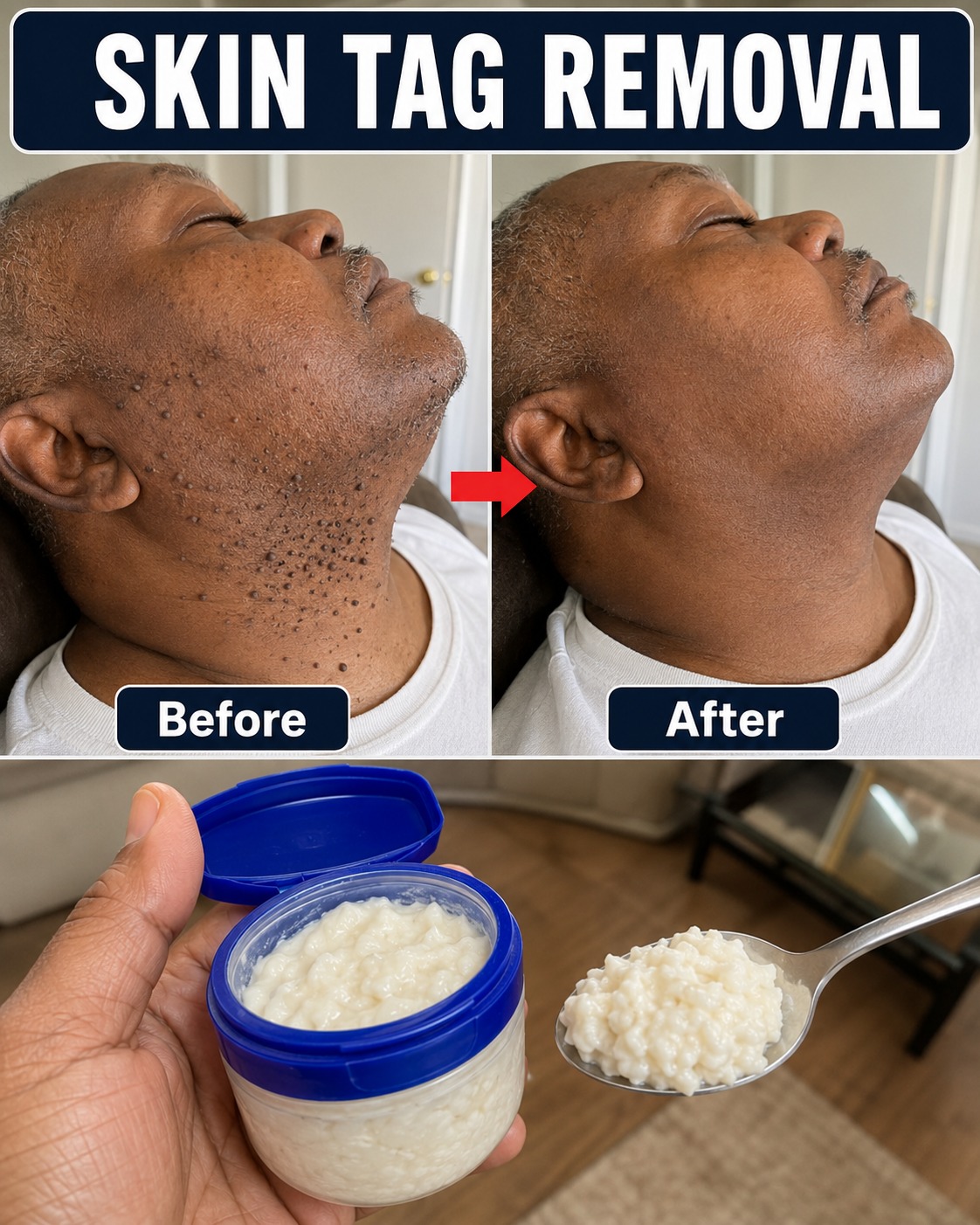
Those annoying little flaps of skin known as skin tags can suddenly appear on your neck, underarms, or eyelids and make everyday life feel frustrating. They rub against your clothes, catch on jewelry, and leave you feeling self-conscious every time you glance in the mirror. Worse still, they seem to multiply with age or weight changes, turning a minor cosmetic issue into a constant source of irritation that no cream seems to touch.
But what if you could start seeing real progress right from the comfort of your own home—potentially even overnight? Stick around, because I’m about to share the exact steps many people use for quick results, plus the professional options that deliver the safest, most reliable outcomes.
What Exactly Are Skin Tags and Why Do They Bother Us So Much?
Skin tags, also called acrochordons, are small, soft, flesh-colored growths that hang off the skin by a thin stalk. They’re completely benign and harmless in almost every case, but they can affect your confidence and comfort. Dermatologists see them all the time in people over 40, and they’re especially common in areas where skin rubs together.
The good news? You don’t have to live with them forever. Here’s where it gets interesting: while some growths disappear naturally, most stay put until you take action.
Common Causes of Skin Tags (And Why You’re Not Alone)
Understanding why skin tags form helps you feel less frustrated—and more in control. Research shows they develop when clusters of collagen and blood vessels get trapped inside thicker skin folds. But here’s the part that surprises most people:
- Friction from skin rubbing – necklines, underarms, and groin areas are prime spots.
- Age and hormones – they become more common after 40 as skin loses elasticity.
- Weight changes or obesity – extra skin folds create the perfect environment.
- Pregnancy or diabetes – hormonal shifts and insulin resistance play a role.
- Genetics – if your parents had them, you’re more likely to too.
The truth is, millions of adults deal with skin tags every year. You’re definitely not alone in wanting them gone fast.
Can You Really Remove Skin Tags in One Night? The Honest Truth
Here’s the part most online articles skip: true overnight removal isn’t guaranteed or always safe. But certain at-home approaches can begin drying out or cutting off blood supply to the tag right away, sometimes leading to noticeable shrinking by morning. Dermatologists emphasize that results vary widely depending on the tag’s size, location, and your skin type.
But wait—before you try anything, let’s talk safety. The American Academy of Dermatology strongly advises against risky DIY cutting or unproven hacks that could cause scarring or infection. Instead, focus on gentle, evidence-informed methods while keeping professional care as your gold standard.
Popular At-Home Methods People Try for Faster Results
Many readers search for quick solutions because they want relief without booking an appointment. While no method is FDA-approved for guaranteed overnight success, some people report success with consistent overnight applications. Here’s what actually gets discussed in dermatology circles:
- Diluted apple cider vinegar – its acidity may help dry the tissue over time.
- Tea tree oil (always diluted) – known for its natural drying properties.
- Thread ligation – gently tying off the base to stop blood flow.
But here’s the key: these approaches work gradually for most people. Overnight progress is possible with small tags, but patience and proper technique matter more than speed.
Step-by-Step Guide: Overnight Apple Cider Vinegar Application
This is one of the most talked-about home options. Remember, always patch-test first and stop if irritation occurs.
- Clean the area gently with mild soap and water, then pat completely dry.
- Mix one part apple cider vinegar with one part water on a cotton ball.
- Place the soaked cotton directly on the skin tag and secure with a breathable bandage.
- Leave it on overnight (or at least 15–30 minutes if sensitive).
- Rinse in the morning and moisturize the surrounding skin.
Repeat nightly for best results. Many notice the tag darkening and shrinking within days.
Why Tea Tree Oil Might Help (And How to Use It Safely)
Tea tree oil is another popular choice because of its gentle drying effect. Dilute it properly to avoid burns—never apply undiluted oil.
- Mix 2–3 drops of tea tree oil with a carrier oil like coconut or jojoba.
- Dab the mixture on the tag using a clean cotton swab.
- Cover lightly with a bandage and leave overnight.
- Rinse thoroughly in the morning.
Studies on essential oils suggest they can support skin drying, but always combine with common sense and medical advice if the tag is near your eyes or genitals.
Professional Removal Options: When to Skip Home Remedies Entirely
Here’s the part that gives the fastest, cleanest results—and the one dermatologists prefer. If your skin tag is large, bleeding, or changing color, professional removal is the only safe choice.
Common in-office methods include:
- Cryotherapy (freezing) – liquid nitrogen freezes the tag in seconds; it falls off within days.
- Snip excision – quick, virtually painless with local numbing.
- Electrocautery – burns the base to seal blood vessels instantly.
- Ligation – similar to the thread method but done precisely by a doctor.
These procedures take just minutes and rarely leave scars when performed correctly.
Quick Comparison: Home Remedies vs. Professional Treatment
| Method | Time to Results | Safety Level | Cost | Best For |
|---|---|---|---|---|
| Diluted ACV/Tea Tree | Several days–weeks | Moderate (with caution) | Very low | Small tags, patient users |
| Thread Ligation | 3–7 days | Moderate | Free | Accessible small tags |
| Professional Cryo/Snip | 1–3 days | Very high | $100–300+ | Any size, quick results |
Professional treatment wins for speed and safety every time, but home options can bridge the gap while you schedule an appointment.
Actionable Tips to Prevent New Skin Tags from Forming
Prevention is just as important as removal. Once you clear existing tags, protect your skin with these simple habits:
- Keep skin folds dry and clean to reduce friction.
- Maintain a healthy weight to minimize skin creases.
- Wear loose, breathable clothing around common tag areas.
- Moisturize regularly to keep skin supple and less prone to irritation.
- Monitor any changing growths and see a dermatologist promptly.
Small daily changes really do make a difference long-term.
When Should You See a Doctor Right Away?
Don’t wait if the tag suddenly grows, bleeds, changes color, or causes pain. These could signal something more serious that needs expert evaluation. A quick office visit gives you peace of mind and the safest removal possible.
Conclusion: Take Control of Your Skin Confidence Today
Skin tags don’t have to hold you back from feeling comfortable in your own skin. Whether you start with gentle overnight home care or book that dermatologist appointment, the key is acting safely and consistently. Many people see their skin clear up beautifully within days or weeks when they follow proven steps.
You’ve got this—your smoother, tag-free skin is closer than you think.
FAQ: Your Most Common Skin Tag Questions Answered
1. Can skin tags really disappear in one night?
Some small tags may begin drying and shrinking overnight with consistent remedy use, but complete removal in 24 hours isn’t typical or guaranteed. Patience and proper technique deliver the best outcomes.
2. Are home remedies safe for all skin types?
Not always. People with sensitive skin, diabetes, or tags near eyes/genitals should skip DIY methods and consult a doctor first to avoid irritation or complications.
3. Will skin tags come back after removal?
New ones can form if the underlying causes (friction, weight, hormones) remain. Maintaining healthy habits helps reduce the chance of recurrence.
Disclaimer: This article is for informational purposes only and is not a substitute for professional medical advice. Always consult a qualified dermatologist or healthcare provider before trying any skin tag removal method, especially if you have underlying health conditions. Results vary and individual skin responses differ.