
Colonoscopy: One Important Question to Ask Your Doctor Before Your Screening
Many people feel nervous when they hear the word **colonoscopy**. Fear of discomfort, embarrassment, or receiving unexpected news causes thousands of adults to delay this important screening every year. However, healthcare professionals consistently recommend colonoscopy because it remains one of the most effective ways to detect colorectal problems early—often before symptoms even appear.
One of the best ways to reduce anxiety is to ask your doctor a simple question before the procedure:
**”Why do you recommend this colonoscopy for me?”**
The answer can help you better understand your personal health, reduce unnecessary fear, and make informed decisions about your care.
## Why Is a Colonoscopy Important?
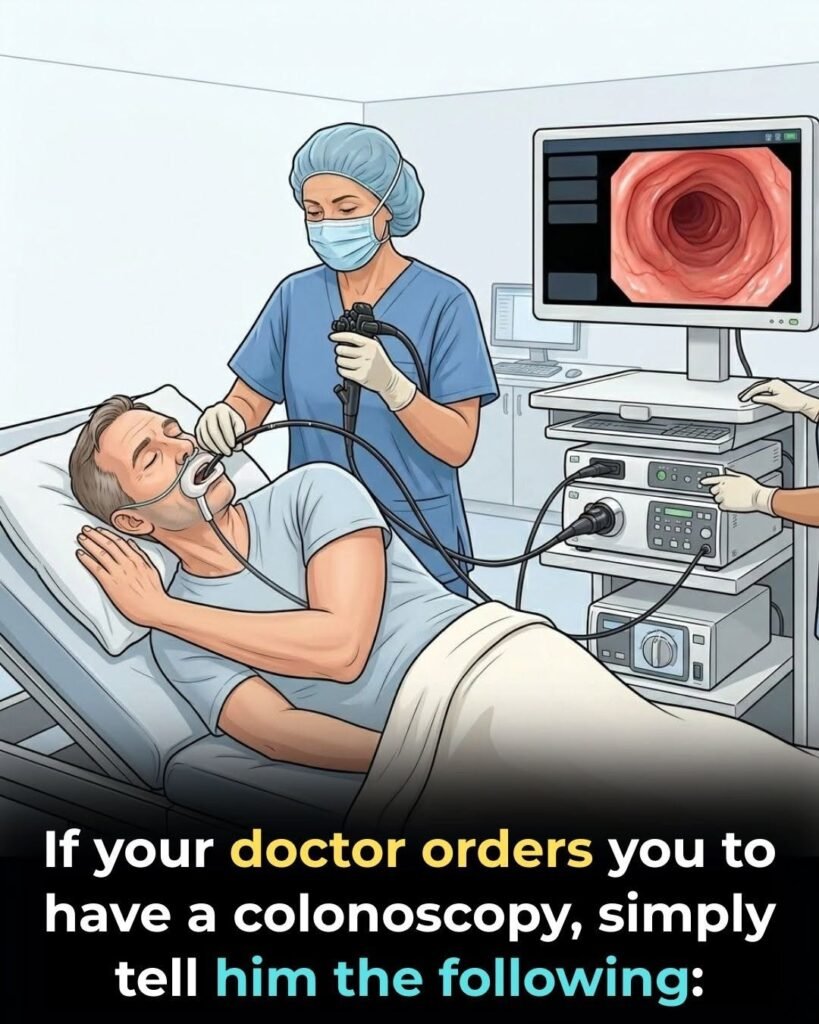
A colonoscopy is a medical examination that allows a specialist to look inside your large intestine (colon) and rectum using a thin, flexible tube equipped with a tiny camera. During the procedure, doctors can identify inflammation, bleeding, ulcers, polyps, and signs of colorectal cancer.
Unlike many medical tests that only detect disease, a colonoscopy can also help prevent colorectal cancer by allowing doctors to remove certain precancerous polyps before they become cancerous.
Because of this preventive benefit, medical experts consider colonoscopy one of the most valuable colorectal cancer screening tools available today.
## The Question Every Patient Should Ask
Instead of focusing only on the procedure itself, ask your healthcare provider:
**”What are you looking for, and why do you think I need this test?”**
Your doctor’s answer may include several reasons, such as:
* Routine colorectal cancer screening based on your age
* Investigation of persistent abdominal pain
* Changes in bowel habits
* Blood in the stool
* Unexplained weight loss
* Iron-deficiency anemia
* Family history of colorectal cancer or colon polyps
Understanding the reason behind the recommendation often helps patients feel more comfortable and confident about moving forward.
## Who Should Consider Colonoscopy?
Although recommendations vary depending on personal risk factors, many adults begin regular colorectal cancer screening around age 45.
Your doctor may recommend earlier screening if you have:
* A family history of colorectal cancer
* Previous colon polyps
* Inflammatory bowel disease
* Certain inherited genetic conditions
* Ongoing digestive symptoms
People with increased risk often benefit from earlier or more frequent screening.
## Why Many People Avoid Colonoscopy
Despite its importance, many people postpone the procedure.
Common reasons include:
### Fear of Pain
Modern colonoscopies are usually performed with sedation, allowing most patients to remain comfortable throughout the examination. Many people remember very little of the procedure afterward.
### Embarrassment
Medical professionals perform colonoscopies every day. Their focus is entirely on your health—not on judging you.
### Fear of Bad News
Some people avoid testing because they worry about discovering a serious illness. Unfortunately, delaying screening does not reduce the risk—it simply delays diagnosis.
Early detection often provides the best chance for successful treatment.
## What Happens During the Procedure?
After bowel preparation, you’ll arrive at the medical facility where your healthcare team reviews your medical history and explains the process.
During the examination:
* Sedation is usually administered.
* A flexible colonoscope is gently inserted into the rectum.
* The doctor carefully examines the lining of the colon.
* Polyps or suspicious tissue can often be removed immediately.
* Small tissue samples (biopsies) may be collected if necessary.
The procedure generally takes between 20 and 45 minutes, although recovery from sedation may require additional time.
## Preparing for a Colonoscopy
Preparation plays a major role in obtaining accurate results.
Your healthcare provider may recommend:
* A low-fiber diet several days beforehand
* Clear liquids the day before the exam
* A prescribed bowel-cleansing solution
* Temporary adjustments to certain medications
Following these instructions carefully helps your doctor clearly visualize the colon and reduces the likelihood of repeating the procedure.
## Benefits of Early Screening
Regular screening offers several important advantages:
* Detects colorectal cancer at earlier stages
* Identifies precancerous polyps before they become dangerous
* Helps explain persistent digestive symptoms
* Provides reassurance when results are normal
* Supports long-term digestive health
Many colorectal cancers develop slowly over several years, making early screening especially valuable.
## Warning Signs That Shouldn’t Be Ignored
While screening is important even without symptoms, you should contact a healthcare professional if you experience:
* Blood in the stool
* Persistent constipation or diarrhea
* Unexplained abdominal pain
* Ongoing bloating
* Narrow stools
* Unexplained weight loss
* Fatigue related to possible anemia
These symptoms do not necessarily indicate cancer, but they deserve medical evaluation.
## Frequently Asked Questions
### Is colonoscopy painful?
Most patients receive sedation and experience little or no discomfort during the procedure.
### How long does recovery take?
Most people return home the same day but should avoid driving until the effects of sedation wear off.
### Can polyps be removed during colonoscopy?
Yes. Doctors can often remove many polyps during the procedure, helping reduce future cancer risk.
### Is bowel preparation the hardest part?
Many patients say the preparation is less enjoyable than the examination itself, but it is essential for accurate results.
## Final Thoughts
Although a colonoscopy may seem intimidating, it remains one of the most effective tools for protecting digestive health and preventing colorectal cancer. Instead of allowing fear or uncertainty to delay screening, ask your doctor why the procedure has been recommended and what information it can provide about your health.
A simple conversation can replace anxiety with understanding. When combined with routine medical care, healthy lifestyle habits, and appropriate screening, colonoscopy can play an important role in detecting problems early—when treatment is often most effective.
**Medical Disclaimer:** This article is for informational purposes only and should not be considered medical advice, diagnosis, or treatment. Always consult a qualified healthcare professional regarding your personal medical needs, symptoms, or screening recommendations.
If you’d like, I can also make it more SEO-focused with high-value keywords, a meta title, meta description, and FAQ schema.