
Aneurysm Warning Signs: Symptoms You Should Never Ignore and How to Reduce Your Risk
Introduction: Understanding This Silent Medical Emergency
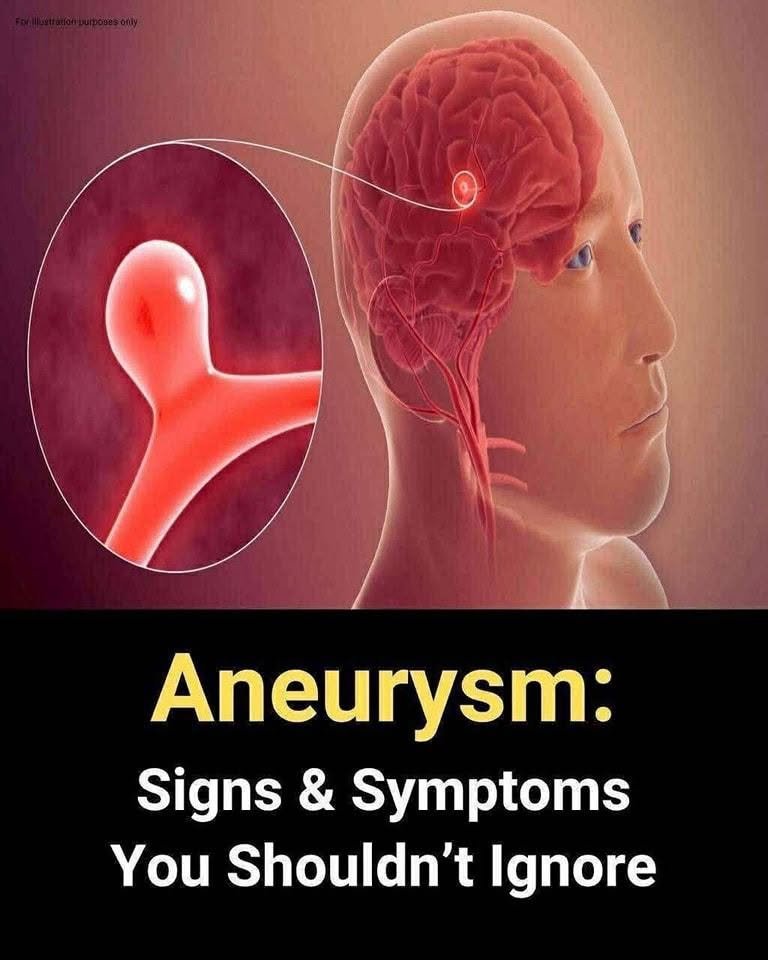
An aneurysm is a serious medical condition that can develop quietly inside the body without obvious warning signs. It occurs when a weakened section of a blood vessel wall becomes enlarged, creating a bulging or balloon-like area. Although some aneurysms remain stable for years, others can suddenly rupture and cause dangerous complications such as internal bleeding, stroke, or life-threatening emergencies.
Because aneurysms may not always produce noticeable symptoms, they are sometimes called “silent threats.” Recognizing possible warning signs and understanding risk factors can help people seek medical attention before severe complications occur.
Early detection, regular health screenings, and a heart-healthy lifestyle play important roles in reducing the dangers associated with aneurysms.
What Causes an Aneurysm?
Several factors can weaken blood vessels and increase the likelihood of developing an aneurysm.
High Blood Pressure (Hypertension)
Chronic high blood pressure places continuous stress on artery walls. Over time, this pressure can weaken blood vessels and increase the risk of abnormal enlargement.
Atherosclerosis (Plaque Buildup in Arteries)
Atherosclerosis occurs when fatty deposits and cholesterol accumulate inside blood vessels. This can reduce flexibility and weaken arterial walls, making them more vulnerable.
Genetic and Family History Factors
Some individuals may have a higher risk because aneurysms can run in families. People with close relatives who have experienced aneurysms may benefit from discussing screening options with a healthcare professional.
Smoking and Tobacco Use
Smoking is one of the major risk factors linked to blood vessel damage. Chemicals in tobacco can weaken artery walls and contribute to inflammation and reduced circulation.
Injury or Infection
In some cases, severe trauma or certain infections can damage blood vessels and contribute to aneurysm formation.
Common Types of Aneurysms
Aneurysms can develop in different areas of the body, including:
- Cerebral aneurysm: Occurs in blood vessels of the brain and may lead to stroke or brain bleeding if it ruptures.
- Aortic aneurysm: Develops in the body’s largest artery, the aorta.
- Abdominal aortic aneurysm: Forms in the section of the aorta that passes through the abdomen.
- Peripheral artery aneurysm: Develops in blood vessels outside the heart and brain.
Each type may present different warning signs.
Symptoms of an Aneurysm You Should Never Ignore
1. Sudden Severe Headache
One of the most serious warning signs of a brain aneurysm is a sudden, intense headache often described as the “worst headache of your life.”
A thunderclap headache may occur when an aneurysm ruptures and requires immediate emergency medical attention.
2. Vision Problems
A brain aneurysm can sometimes put pressure on nearby nerves, leading to:
- Blurred vision
- Double vision
- Eye pain
- Sensitivity to light
- Loss of vision
Sudden changes in eyesight should always be evaluated by a medical professional.
3. Difficulty Speaking or Confusion
Problems with speech, understanding language, or sudden confusion may indicate that an aneurysm is affecting brain function.
Warning signs include:
- Slurred speech
- Trouble finding words
- Difficulty understanding conversations
- Sudden mental changes
These symptoms can also resemble signs of stroke and require urgent attention.
4. Weakness, Numbness, or Facial Drooping
Aneurysms affecting the brain may interfere with nerve signals, causing:
- Weakness on one side of the body
- Facial drooping
- Numbness in the arms or legs
- Loss of coordination
These symptoms should never be ignored.
5. Chest, Back, or Abdominal Pain
An aortic aneurysm may cause deep pain in the chest, upper back, or abdomen.
Sudden, severe, or unusual pain may indicate a dangerous complication, including possible rupture, and requires emergency evaluation.
6. Breathing Problems or Persistent Cough
If an aneurysm presses against nearby organs, it may affect breathing.
Possible symptoms include:
- Shortness of breath
- Difficulty breathing
- Persistent coughing
- Chest discomfort
7. Pulsating Feeling in the Abdomen
Some people with an abdominal aortic aneurysm may notice a pulsing sensation or unusual mass in the stomach area.
This symptom should be checked by a healthcare provider, especially in people with risk factors such as age, smoking history, or high blood pressure.
When Should You Seek Emergency Medical Care?
Immediate medical help is necessary if you experience:
- A sudden severe headache
- Sudden weakness or numbness
- Loss of consciousness
- Severe chest or abdominal pain
- Difficulty speaking
- Sudden vision changes
- Trouble breathing
Aneurysm complications can progress quickly, so early action can be lifesaving.
How to Lower Your Risk of Developing an Aneurysm
Although some aneurysms cannot be prevented, several lifestyle choices can help protect blood vessel health.
Control Blood Pressure
Maintaining healthy blood pressure reduces stress on artery walls. This may involve:
- Regular exercise
- Reducing excess salt intake
- Eating a balanced diet
- Following prescribed medications
Stop Smoking
Quitting smoking is one of the most important steps for improving cardiovascular health and protecting blood vessels.
Maintain Healthy Cholesterol Levels
A heart-friendly diet and regular health monitoring can help reduce plaque buildup in arteries.
Exercise Regularly
Physical activity supports circulation, heart health, and overall vascular wellness.
Schedule Regular Medical Checkups
Routine health screenings become especially important for people with:
- Family history of aneurysms
- High blood pressure
- Smoking history
- Cardiovascular disease
Frequently Asked Questions
Can an aneurysm have no symptoms?
Yes. Many aneurysms develop without noticeable symptoms and are discovered during medical imaging performed for another reason.
Are all aneurysms dangerous?
Not all aneurysms rupture, but they require medical monitoring because some can become serious over time.
Who is at higher risk?
Risk increases with age, smoking, high blood pressure, family history, and certain blood vessel conditions.
Can lifestyle changes prevent aneurysms?
Healthy habits cannot eliminate all risk, but they can improve cardiovascular health and reduce factors that weaken blood vessels.
Final Thoughts
Aneurysms can be dangerous because they may develop silently until a serious event occurs. Understanding the warning signs—such as sudden severe headaches, neurological changes, unusual chest pain, or abdominal symptoms—can help people seek medical care at the right time.
Protecting your blood vessels through healthy lifestyle choices, regular checkups, and proper management of conditions like hypertension can make a meaningful difference.
When your body sends unusual warning signals, paying attention could help prevent a life-threatening situation.