
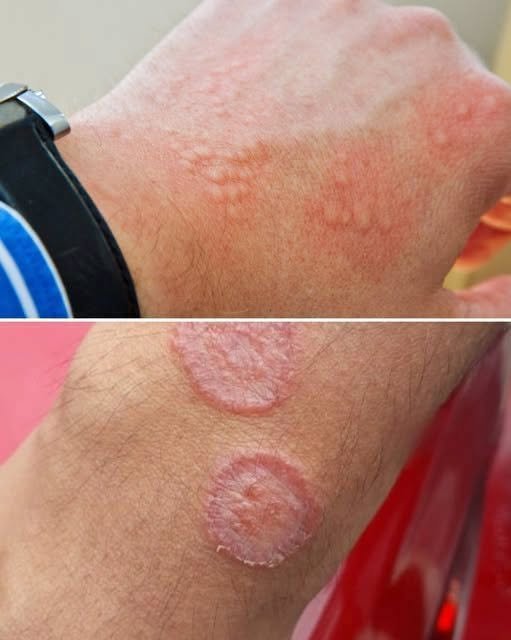
Warning Signs on Your Skin You Should Never Ignore: When a Rash Could Signal a Medical Emergency
Your skin is the largest organ in your body, and it often provides the earliest clues that something may be affecting your overall health. While many skin conditions—such as mild allergies, eczema, or heat rash—are harmless and temporary, some changes can indicate a more serious medical condition that requires immediate attention.
Understanding these warning signs can help you seek timely medical care and protect your long-term health. This guide explains which symptoms deserve attention, common causes, available treatment options, and when it’s time to visit a healthcare provider.
Why Your Skin Matters
The skin serves as your body’s first line of defense against bacteria, viruses, allergens, and environmental irritants. Changes in skin color, texture, or appearance may reflect problems involving your immune system, circulation, or internal organs.
Although most rashes are not dangerous, recognizing the difference between a minor irritation and a medical emergency can make a significant difference.
Common Causes of Skin Rashes
Many everyday factors can trigger skin irritation, including:
- Seasonal allergies
- Insect bites
- Food allergies
- Medication reactions
- Dry skin
- Heat exposure
- Viral infections
- Contact with chemicals or cosmetics
Most of these conditions improve with proper skin care or simple medical treatment.
When Hives May Be a Serious Warning
Hives, medically known as urticaria, appear as raised, itchy welts that can develop anywhere on the body. They may disappear from one area and appear somewhere else within hours.
Mild hives are common and often result from allergies or viral illnesses. However, hives combined with breathing problems can indicate anaphylaxis—a severe allergic reaction requiring emergency medical care.
Symptoms That Require Immediate Medical Attention
Call emergency services or go to the nearest emergency room immediately if you experience:
- Difficulty breathing
- Wheezing
- Swelling of the lips, tongue, or throat
- Trouble swallowing
- Chest tightness
- Severe dizziness
- Rapid heartbeat
- Fainting
- Confusion
- Sudden weakness
These symptoms may indicate a life-threatening allergic reaction that requires prompt treatment.
Understanding Anaphylaxis
Anaphylaxis is a serious immune system reaction that can develop within minutes after exposure to an allergen.
Common triggers include:
- Peanuts and tree nuts
- Shellfish
- Eggs
- Milk
- Certain medications
- Bee or wasp stings
- Latex
During anaphylaxis, the immune system releases chemicals that can cause airway swelling, low blood pressure, and difficulty breathing.
Without immediate treatment, complications can become severe.
Emergency Treatment Options
The first-line treatment for anaphylaxis is an epinephrine auto-injector prescribed by a healthcare provider.
After using epinephrine, patients should still seek emergency medical care because symptoms can return even after temporary improvement.
Additional hospital treatment may include:
- Oxygen therapy
- Intravenous fluids
- Antihistamines
- Corticosteroids
- Continuous monitoring
Risk Factors for Severe Allergic Reactions
Some individuals have a higher risk of experiencing serious allergic reactions, including those with:
- Asthma
- Previous anaphylaxis
- Multiple food allergies
- Family history of allergies
- Certain immune disorders
If you have known allergies, discuss prevention strategies with your healthcare provider.
How to Reduce Your Risk
Protect yourself by following these healthy habits:
- Read food labels carefully.
- Carry prescribed emergency medication.
- Inform family members, coworkers, and teachers about severe allergies.
- Wear a medical alert bracelet if recommended.
- Schedule regular medical checkups.
- Follow your allergy management plan.
Frequently Asked Questions
Are all skin rashes dangerous?
No. Most skin rashes result from minor conditions such as eczema, heat rash, or mild allergic reactions.
Can allergies suddenly become more severe?
Yes. Even if previous reactions were mild, future exposures can occasionally trigger a more serious response.
Should I ignore occasional hives?
If hives occur alone and resolve quickly, they are often harmless. However, hives accompanied by breathing difficulty or swelling require emergency medical attention.
Can stress cause skin rashes?
Yes. Emotional stress can worsen conditions such as eczema, psoriasis, and chronic hives.
Final Thoughts
Your skin can reveal important information about your overall health. While most rashes are temporary and harmless, sudden swelling, widespread hives, or difficulty breathing should never be ignored.
Learning to recognize these warning signs allows you to seek medical treatment quickly and reduce the risk of serious complications. If you’re ever unsure about a skin reaction, consulting a qualified healthcare provider is always the safest choice.
Medical Disclaimer: This article is for educational purposes only and does not replace professional medical advice, diagnosis, or treatment. If you experience severe allergic symptoms or difficulty breathing, seek emergency medical care immediately.