
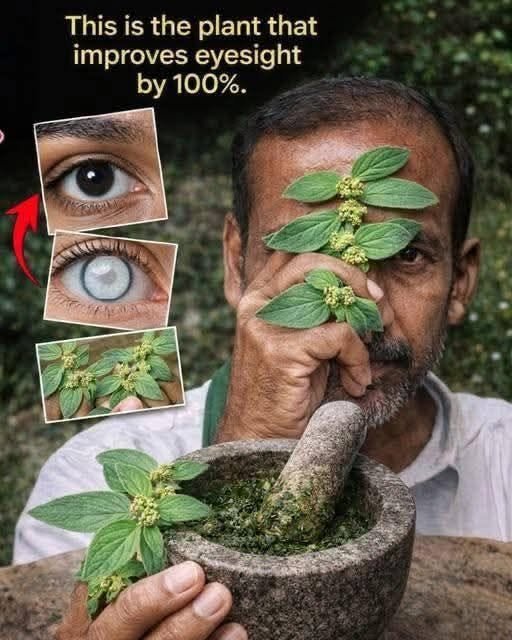
Big-Leaf Milkweed (Euphorbia hirta): Traditional Herbal Uses for Eye Comfort, Benefits, Safety, and Modern Research
For generations, medicinal plants have played an important role in traditional wellness practices around the world. Across parts of Asia, Africa, and Latin America, communities have relied on locally available herbs to support everyday health concerns long before modern healthcare became widely accessible. One such plant is Big-Leaf Milkweed (Euphorbia hirta), a small herb that has been valued in traditional herbal medicine for a variety of purposes, including respiratory wellness, skin care, and occasional eye-comfort practices.
Although this herb has a long history in folk medicine, it is important to understand what traditional use means—and what current scientific evidence does and does not support. Modern eye care relies on clinically tested treatments, and anyone with ongoing eye symptoms should seek advice from a qualified healthcare professional.
What Is Big-Leaf Milkweed?
Big-Leaf Milkweed, scientifically known as Euphorbia hirta, is a low-growing flowering plant commonly found in tropical and subtropical climates. It often grows along roadsides, open fields, gardens, and grassy areas where warm temperatures and sunlight are abundant.
The plant is recognized by its broad green leaves, tiny flowers, and characteristic milky sap. In many cultures, different parts of the plant have been used in traditional herbal preparations for general wellness and household remedies.
Traditional Herbal Uses
Traditional herbal practitioners have used Euphorbia hirta for centuries in a variety of ways. Historical uses have included support for:
- General respiratory comfort
- Minor skin concerns
- Digestive wellness
- Traditional herbal preparations for overall health
- Eye-comfort practices in some communities
These uses reflect cultural traditions rather than proven medical treatments, and scientific research is still exploring many of the plant’s active compounds.
Traditional Eye-Care Practices
In certain traditional healing systems, Big-Leaf Milkweed was occasionally included in remedies intended to provide temporary comfort for tired or irritated eyes.
Historical practices have included:
Herbal Compresses
Fresh leaves were gently crushed and wrapped in clean cloth before being placed around the closed eyelids as a cooling compress. This was traditionally believed to provide a soothing sensation after prolonged outdoor work or reading.
Herbal Infusions
Some traditional practitioners prepared mild herbal infusions from the leaves for external cleansing practices. These preparations varied widely between regions and families.
Diluted Herbal Preparations
Historical records also describe carefully diluted preparations made by experienced herbal practitioners. Because the plant contains a milky latex that may irritate sensitive tissues, these preparations were traditionally handled with great care.
Potential Plant Compounds
Scientists have identified several naturally occurring compounds within Euphorbia hirta that continue to attract research interest.
These include:
- Flavonoids
- Polyphenols
- Plant antioxidants
- Natural phytochemicals
Laboratory studies suggest these compounds may have antioxidant and anti-inflammatory properties. However, laboratory findings do not necessarily mean the plant is safe or effective for treating eye conditions in people.
What Modern Research Says
Current scientific research on Big-Leaf Milkweed remains limited.
While researchers continue studying the plant’s chemical composition and biological activity, there is currently insufficient clinical evidence to recommend Euphorbia hirta as a treatment for:
- Dry eyes
- Eye infections
- Red eyes
- Eye strain
- Blurred vision
- Other eye diseases
Most available research has been conducted in laboratories or animal studies rather than large human clinical trials.
Important Safety Considerations
Although natural remedies are popular, “natural” does not always mean safe.
The milky sap produced by many Euphorbia plants can be irritating if it comes into contact with the eyes or skin.
Potential risks may include:
- Eye irritation
- Redness
- Burning sensation
- Excessive tearing
- Temporary blurred vision
- Skin irritation in sensitive individuals
Because of these risks, homemade eye drops, rinses, or direct application of the sap should be avoided unless specifically recommended by a qualified healthcare professional.
Better Ways to Support Eye Health
If your eyes frequently feel dry or tired, evidence-based strategies are generally the safest option.
Healthy habits include:
- Getting adequate sleep
- Staying well hydrated
- Taking regular breaks from digital screens
- Wearing sunglasses outdoors
- Using preservative-free artificial tears when appropriate
- Eating a balanced diet rich in leafy vegetables and colorful fruits
- Scheduling regular comprehensive eye examinations
These habits support overall eye wellness and help reduce everyday eye strain.
When to Seek Medical Care
Eye symptoms should never be ignored if they are severe or persistent.
Consult an eye care professional promptly if you experience:
- Eye pain
- Sudden vision changes
- Persistent redness
- Light sensitivity
- Eye injury
- Thick discharge
- Symptoms that do not improve
Early diagnosis and treatment are important for protecting long-term vision.
Final Thoughts
Big-Leaf Milkweed (Euphorbia hirta) remains an interesting part of traditional herbal medicine and reflects the rich cultural history of plant-based wellness practices around the world. Researchers continue to investigate its naturally occurring compounds and their potential health benefits.
However, traditional use should not be confused with proven medical treatment. Current scientific evidence does not establish Euphorbia hirta as a safe or effective therapy for eye diseases, and its milky sap can irritate the eyes if used improperly.
For healthy vision, combine good daily habits with regular eye examinations and seek professional medical advice whenever eye symptoms are persistent, severe, or concerning. Balancing traditional knowledge with evidence-based healthcare offers the safest approach to long-term eye health and overall wellness.