
DIY Teeth Whitening With Baking Soda and Lemon: What Works, What Doesn’t, and Safer Ways to Brighten Your Smile
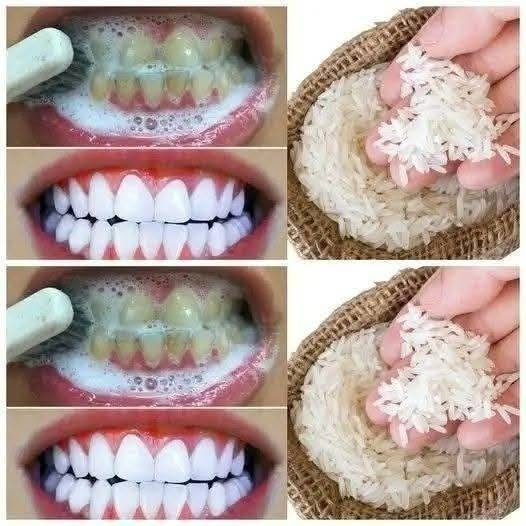
A bright, white smile is something many people want, and social media is full of homemade whitening recipes promising dramatic results in just one minute. One popular DIY method combines baking soda, lemon juice, and rice powder, claiming it can instantly remove stains and whiten teeth.
While this mixture may make teeth feel smoother by removing some surface debris, dental experts caution that it is not a safe or long-term whitening solution. In fact, frequent use can damage tooth enamel and increase sensitivity.
Here’s what you should know before trying this viral trend.
Can You Really Whiten Teeth in One Minute?
The short answer is no.
No home remedy can safely and permanently whiten teeth in just one minute. Any immediate improvement is usually due to the removal of surface stains or temporary changes in how light reflects off the teeth—not actual bleaching.
Professional whitening treatments and dentist-approved products take time because they work beneath the surface of the enamel.
Understanding the Ingredients
Baking Soda
Baking soda is a mild abrasive commonly found in some toothpaste formulas.
Potential Benefits
- Helps remove some surface stains
- Neutralizes acids in the mouth
- May help reduce plaque buildup
- Leaves teeth feeling cleaner
However, using plain baking soda too often can gradually wear away enamel if brushed aggressively.
Lemon Juice
Lemon juice contains citric acid, which can dissolve surface stains—but it also softens tooth enamel.
Important Risks
- Highly acidic
- Can weaken enamel
- May increase tooth sensitivity
- Raises the risk of cavities over time
Because enamel does not grow back, repeated exposure to acidic substances can cause permanent damage.
Rice Powder
Rice powder acts as a natural abrasive.
Some people believe it helps polish teeth by removing plaque and surface discoloration.
However, like any abrasive ingredient, excessive scrubbing may contribute to enamel wear.
Does This DIY Recipe Actually Work?
The mixture may temporarily improve the appearance of teeth by removing superficial stains.
However, it does not change the natural color of your teeth, and any improvement is usually temporary.
Dentists generally do not recommend combining acidic ingredients like lemon juice with abrasive powders because this combination may increase enamel erosion.
Risks of Homemade Whitening Pastes
Before trying any DIY whitening method, consider these possible downsides:
- Enamel erosion
- Increased tooth sensitivity
- Gum irritation
- Higher risk of cavities
- Uneven whitening results
Once enamel is lost, it cannot be restored naturally.
Safer Ways to Whiten Your Teeth
If you want a brighter smile, these dentist-recommended habits are safer and more effective.
Brush Twice Daily
Use a fluoride toothpaste and brush for two minutes, morning and night.
Floss Every Day
Floss removes plaque between teeth where a toothbrush cannot reach.
Limit Staining Foods and Drinks
Frequent consumption of these items can stain teeth:
- Coffee
- Tea
- Red wine
- Dark-colored sodas
- Berries
Drinking water afterward can help reduce staining.
Don’t Smoke
Tobacco products are one of the leading causes of tooth discoloration.
Schedule Regular Dental Cleanings
Professional cleanings remove hardened plaque and many surface stains safely.
Consider Professional Whitening
If you’re interested in whitening your teeth, talk with your dentist about options such as:
- Custom whitening trays
- In-office whitening treatments
- Dentist-approved whitening strips or gels
These methods are designed to brighten teeth while minimizing damage.
Simple Oral Care Routine for a Healthy Smile
For strong, healthy teeth:
- Brush twice a day with fluoride toothpaste.
- Floss once daily.
- Drink plenty of water.
- Eat a balanced diet rich in calcium and vitamin D.
- Visit your dentist every six months.
- Replace your toothbrush every 3–4 months.
Frequently Asked Questions
Is baking soda safe for teeth?
When used occasionally and gently, baking soda can help remove some surface stains. However, frequent or aggressive brushing with baking soda alone may wear down enamel.
Can lemon juice whiten teeth?
Lemon juice may remove some superficial stains because of its acidity, but it can also erode enamel. Most dentists do not recommend using lemon juice for teeth whitening.
Does rice powder whiten teeth?
Rice powder may polish the surface of teeth, but there is little scientific evidence that it significantly whitens teeth.
What is the safest way to whiten teeth?
The safest methods are dentist-supervised whitening treatments or approved over-the-counter whitening products used according to directions.
Final Thoughts
The combination of baking soda, lemon juice, and rice powder may seem like an inexpensive shortcut to a brighter smile, but it comes with important risks. While it might remove some surface stains temporarily, it cannot safely whiten teeth in one minute, and repeated use may damage enamel and increase sensitivity.
For lasting results, focus on consistent oral hygiene, regular dental checkups, and evidence-based whitening treatments recommended by your dentist. A healthy smile is built through daily care—not quick fixes.