
Childhood Cancer and Viral Food Myths: What Every Parent Should Know
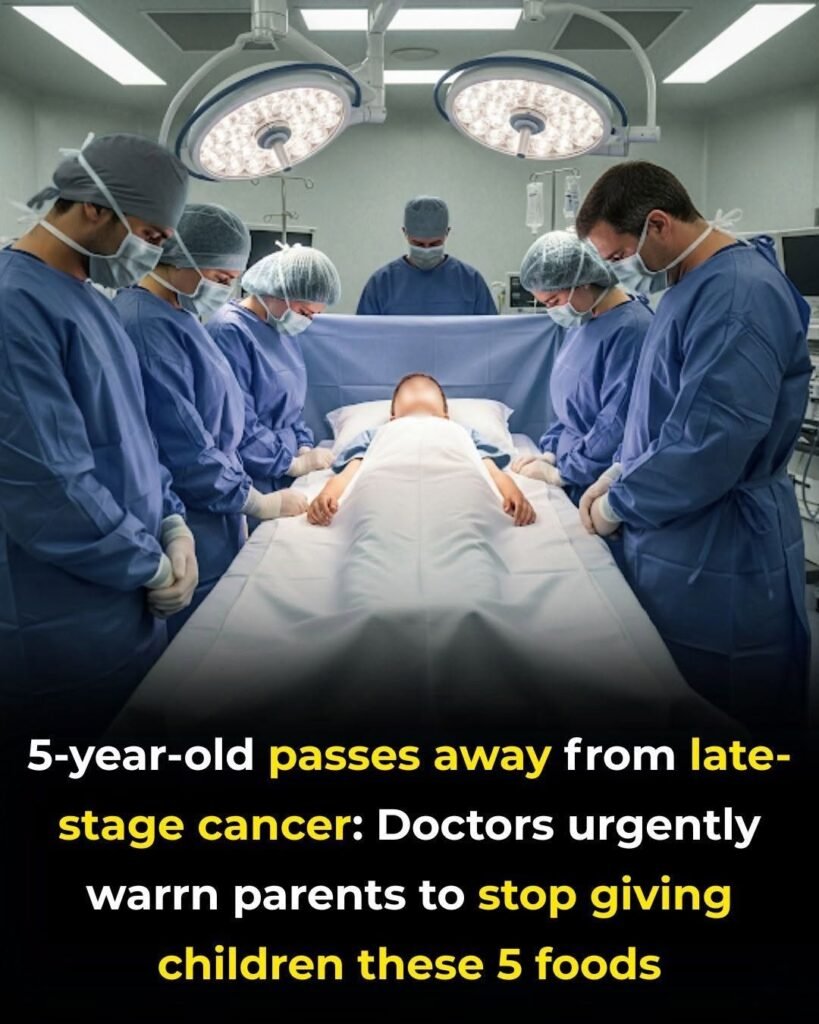
Few headlines are more heartbreaking than those involving the illness or loss of a child. Unfortunately, social media often uses emotional stories to spread misleading health claims. One common example is the claim that a child developed late-stage cancer because of eating certain everyday foods, followed by warnings telling parents to immediately stop serving five specific foods.
While these headlines attract millions of views, medical experts agree there is no scientific evidence that any single everyday food directly causes childhood cancer. Childhood cancers are complex diseases that differ significantly from cancers seen in adults.
Understanding the facts can help parents make informed decisions based on evidence instead of fear.
What Is Childhood Cancer?
Childhood cancer refers to cancers that develop in infants, children, and teenagers. Unlike many adult cancers, childhood cancers usually are not caused by years of unhealthy eating or lifestyle choices.
Some of the most common childhood cancers include:
- Leukemia
- Brain tumors
- Lymphoma
- Neuroblastoma
- Wilms tumor
Researchers believe that many childhood cancers develop because of random genetic changes that occur very early in life. In many cases, these changes happen before birth and are beyond anyone’s control.
Can Food Cause Childhood Cancer?
Current scientific research does not show that eating common foods directly causes childhood cancer.
Major health organizations encourage children to eat balanced, nutritious diets because healthy eating supports growth, immunity, heart health, and overall well-being—not because avoiding certain foods guarantees cancer prevention.
A healthy diet is important, but it should never become a source of fear or guilt for parents.
The Truth Behind the “5 Dangerous Foods”
Many viral articles exaggerate legitimate nutrition advice into frightening claims. Here’s what healthcare professionals actually recommend.
1. Processed Meats
Examples include:
- Hot dogs
- Sausages
- Bacon
- Deli meats
Research has linked frequent, long-term consumption of processed meats with a higher risk of certain cancers in adults, particularly colorectal cancer.
However:
- This research mainly involves adults.
- It does not prove that eating processed meat causes childhood cancer.
- Occasional consumption is not considered a direct cancer risk for children.
Parents should simply offer processed meats in moderation while emphasizing healthier protein choices.
2. Sugary Drinks
Soft drinks, sweetened juices, and energy drinks contain large amounts of added sugar.
Too much sugar may contribute to:
- Childhood obesity
- Tooth decay
- Type 2 diabetes risk
- Poor nutrition
The concern is long-term metabolic health—not childhood cancer.
Water and milk remain the healthiest everyday beverages for most children.
3. Artificial Food Colors
Food dyes frequently appear in viral health warnings.
Currently, approved food colorings have not been shown to cause childhood cancer.
Some studies continue to examine whether certain dyes may affect behavior in sensitive children, but this research is separate from cancer risk.
Parents who wish to reduce artificial ingredients may choose more whole foods, but there is no need for panic.
4. Burnt or Charred Foods
Cooking meat at extremely high temperatures can produce compounds that scientists continue to study.
Doctors generally recommend avoiding heavily burned foods because excessive charring is unnecessary.
Normal grilling or occasional barbecue meals are not considered a cause of childhood cancer.
5. Highly Processed Snack Foods
Cookies, chips, candies, and packaged snacks are often criticized because they may contain:
- Excess calories
- High sodium
- Added sugars
- Unhealthy fats
These foods can contribute to poor nutrition if eaten too often.
However, they are not recognized as direct causes of childhood cancer.
Moderation remains the key.
Why Balanced Nutrition Matters
Although no single food prevents or causes childhood cancer, healthy eating supports every aspect of a child’s development.
A balanced diet should include:
- Fresh fruits
- Colorful vegetables
- Whole grains
- Lean protein
- Dairy or fortified alternatives
- Healthy fats
Good nutrition supports:
- Brain development
- Healthy growth
- Strong bones
- Immune function
- Energy for learning and play
Healthy eating is about supporting overall wellness rather than avoiding one “dangerous” ingredient.
Healthy Habits for Children
Parents can promote lifelong health by encouraging:
- Daily physical activity
- Regular sleep schedules
- Drinking enough water
- Limiting sugary beverages
- Family meals whenever possible
- Regular pediatric checkups
- Up-to-date vaccinations
These habits contribute to overall health and reduce the risk of many chronic diseases later in life.
Why Fear-Based Headlines Can Be Harmful
Sensational headlines often create unnecessary anxiety.
They may cause parents to:
- Feel guilty about normal food choices.
- Eliminate entire food groups unnecessarily.
- Distrust qualified healthcare professionals.
- Spread misinformation among family and friends.
Health decisions should always be based on reliable medical evidence rather than emotional social media posts.
When Should Parents Talk to a Doctor?
Consult your child’s healthcare provider if your child experiences:
- Unexplained weight loss
- Persistent fever
- Unusual bruising
- Ongoing fatigue
- Frequent infections
- Persistent pain
- Swollen lymph nodes
- Symptoms that do not improve
These symptoms do not automatically mean cancer, but they deserve proper medical evaluation.
Early diagnosis improves treatment outcomes for many childhood illnesses.
Frequently Asked Questions
Can certain foods cause childhood cancer?
Current scientific evidence does not show that common everyday foods directly cause childhood cancer.
Should children completely avoid processed foods?
No. Most pediatric nutrition experts recommend moderation rather than strict elimination.
Does sugar feed cancer?
Cancer cells use glucose for energy, but so do all healthy cells in the body. Eating sugar does not directly cause childhood cancer.
Are artificial food colors dangerous?
Approved food colorings are considered safe within regulated limits. Research continues, but there is no established link with childhood cancer.
Final Thoughts
Every parent wants to make the healthiest choices for their child. While emotional headlines can be frightening, they often oversimplify complex medical conditions and create unnecessary fear.
Childhood cancer is a complicated disease that researchers continue to study, and current evidence does not support claims that ordinary foods directly cause these illnesses.
The best approach is to focus on balanced nutrition, regular physical activity, routine pediatric care, and trusted medical advice. By relying on evidence instead of viral myths, parents can support their children’s long-term health with confidence and peace of mind.