
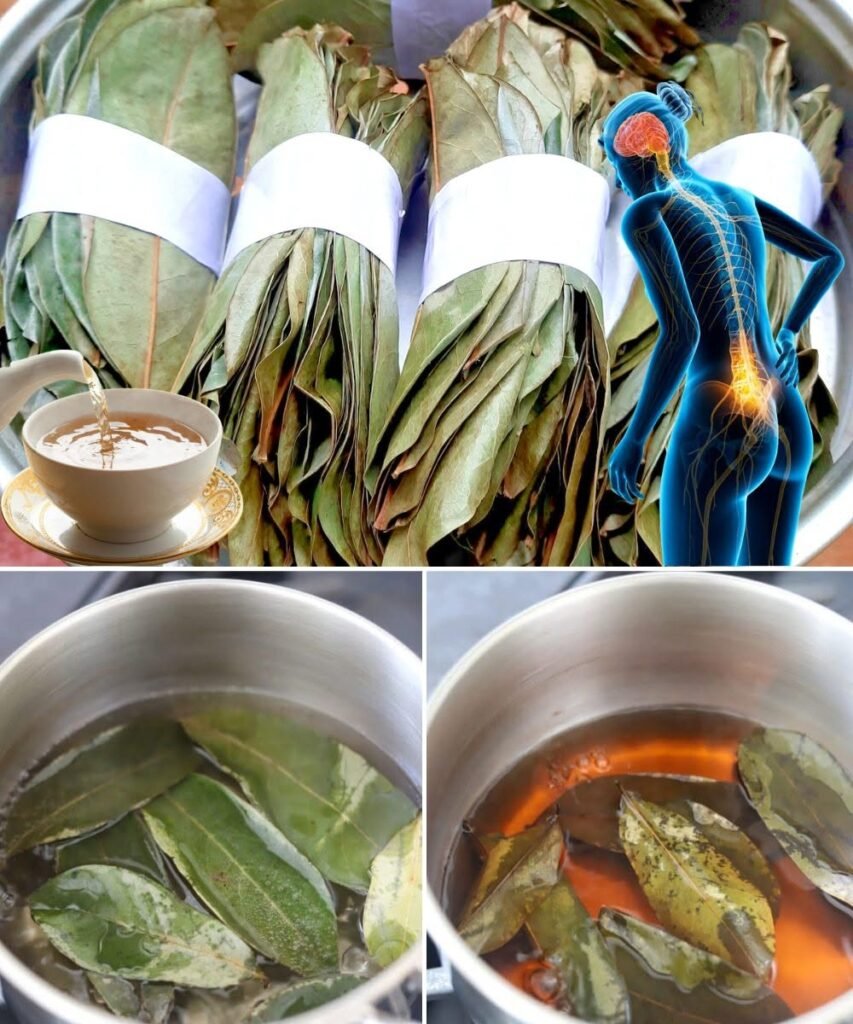
Soursop Leaf Tea – What You Should Know
Soursop, also called graviola, is a tropical fruit tree. Its leaves are commonly dried and brewed into herbal tea in many parts of the world.
1. Traditional Use of Soursop Leaves
In Caribbean, African, and Southeast Asian cultures, soursop leaf tea has traditionally been used for:
- General wellness rituals
- Relaxation before bedtime
- As part of traditional herbal practices
These are traditional uses and are not proven medical treatments.
2. Compounds Found in Soursop Leaves
Soursop leaves contain naturally occurring plant compounds, including:
- Antioxidants: Such as flavonoids
- Vitamin C: Present in the plant, though the amount in brewed tea may vary
- Annonaceous acetogenins: Naturally occurring compounds found in soursop
Research into these compounds is ongoing, but high-quality human studies are limited, and no health benefits have been conclusively proven.
3. How to Make Soursop Leaf Tea
Ingredients
- 4–5 dried soursop leaves, rinsed
- 2 cups of water
Instructions
- Bring the water to a boil.
- Add the rinsed leaves.
- Simmer for 10–15 minutes.
- Strain the tea.
- Allow it to cool slightly before drinking.
Many people enjoy one cup occasionally as part of a balanced lifestyle.
Start with small amounts. Avoid drinking it daily for long periods without guidance from a healthcare professional.
4. Safety Notes
Please keep these precautions in mind:
- Nerve health: Some research has linked long-term, high intake of soursop products to nerve damage, possibly due to compounds such as annonacin. More research is needed, but frequent high-dose use is not recommended.
- Pregnancy and breastfeeding: Avoid use because there is not enough reliable safety information.
- Medication interactions: Soursop may interact with medications used for blood pressure, diabetes, or Parkinson’s disease.
- Kidney or liver disease: People with kidney or liver conditions should avoid using soursop leaf products unless advised by a healthcare provider.
- Children: Not recommended.
5. What Soursop Leaf Tea Does Not Do
There is no reliable evidence that soursop leaf tea can:
- Cure cancer
- Cure diabetes
- Treat nerve pain
- Cure infections
- Replace prescribed medications
If you have ongoing symptoms such as pain, fatigue, unexplained weight loss, or illness, seek evaluation from a qualified healthcare professional.
6. Wellness Habits That Support Overall Health
- Eat a balanced diet: Include fruits, vegetables, whole grains, lean protein, and healthy fats.
- Stay hydrated: Drink water and enjoy herbal teas in moderation.
- Stay active: Aim for regular walking, stretching, or other physical activity.
- Get enough sleep: About 7–9 hours per night for most adults.
- Keep up with regular checkups: Preventive care helps detect health problems early.
Final Thoughts
Soursop leaf tea is a traditional herbal beverage enjoyed in many cultures. It can be part of a balanced lifestyle when consumed occasionally and in moderation. However, it is not a medicine and should not replace evidence-based medical care. If you have a medical condition or take prescription medications, talk with your healthcare provider before using herbal products.