
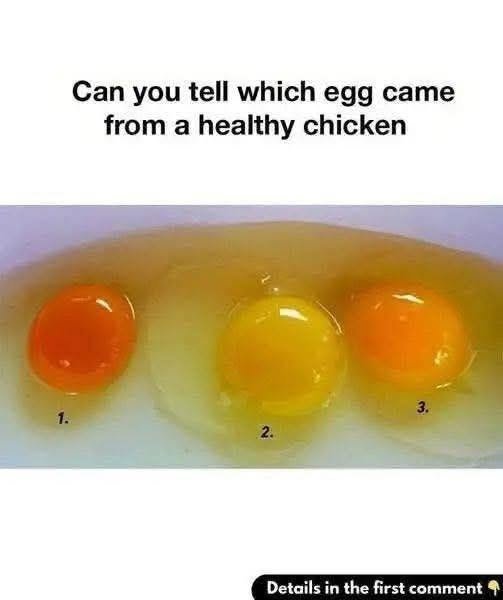
What Egg Yolk Color Really Tells You
Have you ever cracked open an egg and noticed that some yolks are pale yellow while others are a deep orange? Many people assume darker yolks are always healthier, but the truth is a bit more complicated.
Here’s what egg yolk color really means.
1. Why Are Egg Yolks Different Colors?
The color of an egg yolk mainly depends on what the hen eats.
Hens that eat a varied diet rich in grasses, insects, and plants often produce eggs with darker orange yolks. Hens fed mostly grains like corn and soy usually lay eggs with lighter yellow yolks.
2. What Affects Yolk Color?
Several factors influence the color of an egg yolk.
Common Factors
- Hen’s diet: Grass, alfalfa, marigold petals, and insects produce darker yolks.
- Commercial feed: Corn, soy, and wheat often result in lighter yolks.
- Free-range foraging: Hens that forage naturally usually eat a wider variety of foods.
- Feed additives: Some farms add natural ingredients like paprika or marigold to deepen yolk color.
- Breed: Certain chicken breeds may produce slightly different yolk shades.
3. Does a Darker Yolk Mean a Healthier Egg?
Not always.
While hens with varied diets may produce eggs containing slightly different nutrient levels, yolk color alone is not a reliable indicator of nutrition or quality.
Important Facts
- Darker yolks don’t automatically contain more nutrients.
- A fresher egg usually has a firmer yolk and thicker egg white.
- Egg safety depends on proper storage and cooking—not yolk color.
4. Tips for Choosing Good Eggs
If you’re shopping for eggs, keep these tips in mind:
- Check the expiration or packing date.
- Buy from trusted farms or brands.
- Choose free-range or pasture-raised eggs if that matches your preference.
- Store eggs in their original carton in the refrigerator.
- Cook eggs thoroughly to reduce the risk of foodborne illness.
5. Fresh Egg Signs
A fresh egg often has:
- A thick egg white that stands up firmly.
- A round, high yolk.
- Little spreading when cracked onto a plate.
Older eggs usually have thinner whites that spread more easily.
Final Thoughts
Egg yolk color is mostly influenced by the hen’s diet, not by whether the egg is “good” or “bad.” Both pale yellow and deep orange yolks can be nutritious and safe to eat when handled and cooked properly.
If you prefer darker yolks, look for eggs from hens raised on varied diets, such as pasture-raised or free-range flocks.
Disclaimer: This article is for informational purposes only and should not be considered medical or nutritional advice. Consult a qualified healthcare professional or registered dietitian for personalized dietary guidance.