
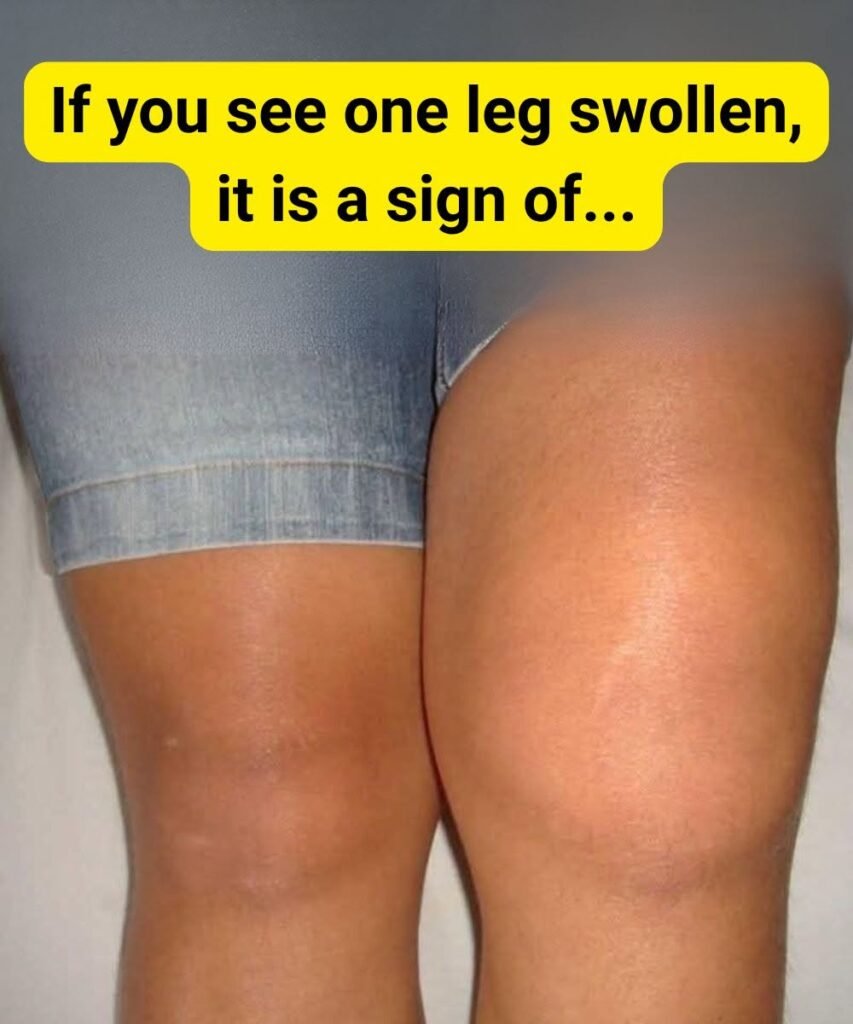
One Leg Swollen? Understanding the Possible Causes and When to See a Doctor
Introduction
Swelling in one leg, also known as unilateral leg swelling, is a common symptom that can have many different causes. Sometimes it’s related to a minor injury or standing for long periods, while in other cases it may signal a condition that requires prompt medical attention.
Because the causes vary widely, it’s important not to self-diagnose. A healthcare professional can determine the reason for the swelling and recommend appropriate treatment.
Why Does One Leg Swell?
Swelling occurs when excess fluid collects in the tissues or when blood or lymphatic circulation is affected.
Possible causes include:
- Minor injury or muscle strain
- Standing or sitting for long periods
- Problems with the veins
- Lymphatic drainage disorders
- Infection or inflammation
- Certain medications
The severity and associated symptoms can help guide further evaluation.
Common Causes of Swelling in One Leg
1. Injury
A sprain, bruise, fracture, or muscle strain can cause swelling around the affected area.
Other symptoms may include:
- Pain
- Bruising
- Difficulty walking
- Reduced range of motion
2. Venous Problems
Conditions affecting the leg veins can reduce normal blood flow, leading to swelling.
One important example is deep vein thrombosis (DVT), a blood clot in a deep vein. DVT requires urgent medical evaluation because it can become serious if left untreated.
Symptoms may include:
- Swelling in one leg
- Pain or tenderness
- Warmth
- Redness
3. Lymphedema
Lymphedema occurs when the lymphatic system cannot drain fluid effectively.
It may cause:
- Persistent swelling
- A feeling of heaviness
- Tight skin
- Reduced flexibility
4. Infection
Skin or soft tissue infections can cause swelling along with:
- Redness
- Warmth
- Pain
- Fever
Prompt treatment is important to prevent complications.
5. Medication Side Effects
Some medications may contribute to leg swelling, including certain:
- Blood pressure medications
- Hormone therapies
- Anti-inflammatory drugs
Never stop prescribed medication without consulting your healthcare provider.
Simple Steps That May Help
While waiting for medical advice, you may find relief by:
- Elevating the affected leg when resting
- Walking gently if comfortable
- Avoiding prolonged sitting or standing
- Staying well hydrated
- Wearing loose clothing
Compression stockings should only be used if recommended by a healthcare professional, as they are not appropriate for every condition.
When Should You See a Doctor?
Arrange a medical evaluation if:
- Swelling lasts more than a few days
- One leg becomes noticeably larger than the other
- Swelling continues to worsen
- The area becomes red, warm, or painful
- You develop a fever
Seek Emergency Medical Care Immediately If You Have:
- Sudden swelling in one leg with significant pain
- Shortness of breath
- Chest pain
- Difficulty breathing
- Fainting
- Swelling after a serious injury with inability to bear weight
These symptoms may indicate a medical emergency, including a possible blood clot.
How Doctors Diagnose Leg Swelling
Your healthcare provider may recommend:
- A physical examination
- Review of your medical history
- Blood tests
- Ultrasound of the leg veins
- Additional imaging if needed
Treatment depends entirely on the underlying cause.
Tips for Healthy Circulation
To support leg health:
- Stay physically active.
- Maintain a healthy weight.
- Avoid sitting for long periods without moving.
- Stretch during long trips.
- Eat a balanced diet with moderate salt intake.
- Follow your healthcare provider’s recommendations for any chronic medical conditions.
Final Thoughts
Swelling in one leg can result from a wide range of conditions, from minor injuries to more serious circulation problems. While many cases are not emergencies, sudden or painful swelling should never be ignored.
Getting evaluated by a healthcare professional is the safest way to identify the cause and receive the right treatment.
Medical Disclaimer: This article is for educational purposes only and should not replace professional medical advice, diagnosis, or treatment. If you have sudden leg swelling, severe pain, chest pain, or difficulty breathing, seek emergency medical care immediately.