
Common Skin Spots: What You Should Know
Introduction
It’s normal to notice new spots, bumps, or marks on your skin over time. Many skin changes are harmless and happen naturally with aging, sun exposure, or genetics. However, some skin changes may require medical evaluation.
Understanding the common types of skin spots can help you know when to monitor them and when to seek professional advice.
Why Do Skin Spots Appear?
Our skin changes throughout life, and many different factors can lead to new spots or bumps.
Common causes include:
- Sun exposure
- Natural aging
- Genetics
- Hormonal changes
- Minor skin irritation or friction
- Small blood vessel changes
- Certain skin conditions
Most skin spots are harmless, but any new or changing lesion should be evaluated if you’re concerned.
Common Types of Skin Spots
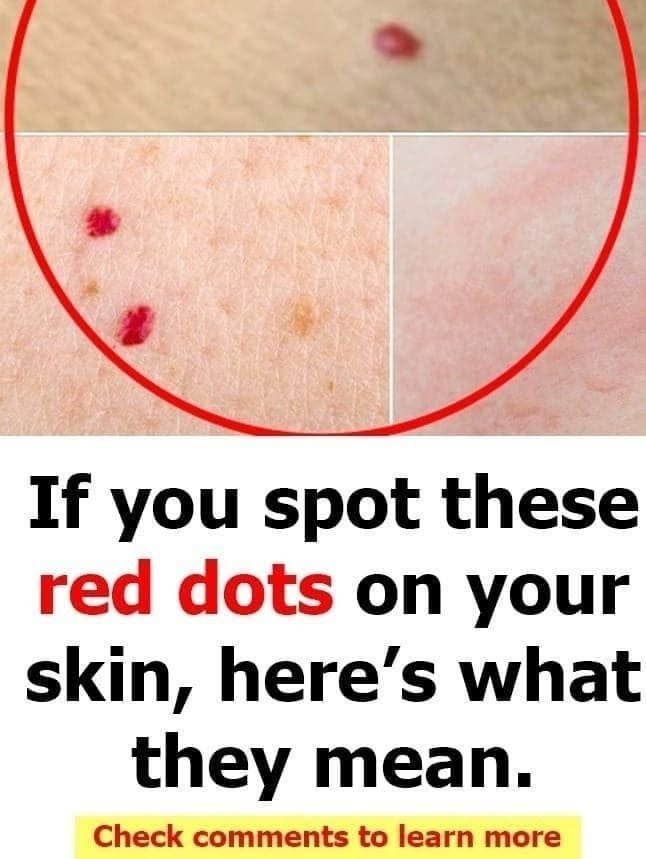
1. Cherry Angiomas
Cherry angiomas are small, bright red or purple bumps made up of tiny blood vessels.
Features:
- Smooth, round appearance
- Usually harmless
- More common after age 30
- Often found on the chest, back, arms, and abdomen
2. Age Spots (Solar Lentigines)
Age spots are flat brown or dark patches caused by years of sun exposure.
They commonly appear on:
- Face
- Hands
- Shoulders
- Arms
Using sunscreen daily can help prevent new age spots.
3. Moles
Moles are common skin growths that can be brown, black, pink, or skin-colored.
Most are harmless, but you should watch for changes in:
- Size
- Shape
- Color
- Border
- Texture
4. Petechiae
Petechiae are tiny red, purple, or brown dots caused by bleeding under the skin.
They may occur after:
- Coughing or vomiting
- Minor injury
- Certain infections
- Some medical conditions
If petechiae appear suddenly or are accompanied by fever or illness, seek medical attention promptly.
5. Heat Rash
Heat rash develops when sweat becomes trapped under the skin.
Symptoms include:
- Small red bumps
- Itching
- Mild discomfort
Keeping the skin cool and dry usually helps it improve.
Healthy Skin Care Habits
Taking good care of your skin can help maintain its health.
Daily Tips
- Wear sunscreen with SPF 30 or higher.
- Cleanse your skin gently.
- Moisturize regularly.
- Avoid picking or scratching skin spots.
- Stay hydrated.
- Eat a balanced diet rich in fruits and vegetables.
When Should You See a Dermatologist?
Schedule an appointment if you notice:
- A new spot that grows quickly
- A mole that changes in size, shape, or color
- A sore that doesn’t heal
- Bleeding or crusting skin lesions
- Persistent itching or pain
- Multiple new spots appearing suddenly
Dermatologists may perform a skin examination and, if needed, a skin biopsy to determine the cause.
The ABCDE Rule for Moles
Watch for these warning signs:
- A – Asymmetry: One half doesn’t match the other.
- B – Border: Edges are irregular or uneven.
- C – Color: Multiple colors or uneven coloring.
- D – Diameter: Larger than about 6 mm (although melanomas can be smaller).
- E – Evolving: Changes in size, shape, color, or symptoms.
If you notice any of these changes, arrange a medical evaluation.
Be Careful with Online Skin Diagnoses
Photos on social media cannot accurately diagnose skin conditions.
A skin spot may have many possible causes, and appearance can vary depending on lighting, skin tone, and image quality.
Instead of relying on online posts, consult a qualified healthcare professional if you’re concerned about a skin change.
Final Thoughts
Most skin spots are harmless and are a normal part of life. Regular skin checks, good sun protection, and healthy skincare habits can help you maintain healthy skin.
If you notice any new, unusual, or changing spots, don’t ignore them. An evaluation by a dermatologist can provide an accurate diagnosis and peace of mind.
Medical Disclaimer: This article is for educational purposes only and should not replace professional medical advice, diagnosis, or treatment. Always consult a licensed healthcare provider or dermatologist if you have concerns about any skin changes.