
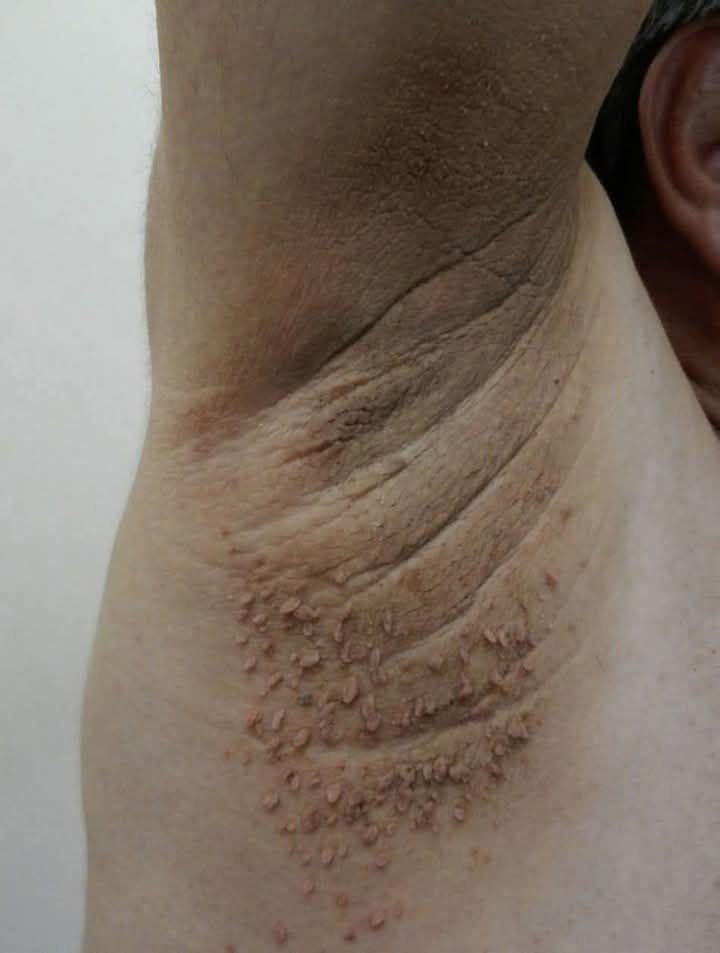
These are the first symptoms of cr…See more
What the article gets right
- Accurately describes acanthosis nigricans (AN). It is characterized by dark, thickened, velvety skin, most commonly on the neck, armpits, and groin.
- Correctly explains the link to insulin resistance. AN is commonly associated with insulin resistance and can be an early sign of prediabetes or type 2 diabetes.
- Makes it clear that a dark neck does not automatically mean diabetes. This is an important point because many skin conditions can look similar.
- Encourages professional evaluation rather than self-diagnosis.
- Mentions children and adolescents. Children with obesity and AN are at increased risk of insulin resistance and should be evaluated by a healthcare professional.
- Includes appropriate symptoms of elevated blood sugar, such as increased thirst, frequent urination, fatigue, blurred vision, and slow wound healing.
Minor improvements
A few statements could be made more precise.
1. Mention that AN has other causes
The article briefly mentions other skin conditions but could also explain that acanthosis nigricans itself is not always caused by diabetes.
It can also be associated with:
- Obesity without diabetes
- Polycystic ovary syndrome (PCOS)
- Certain medications (such as corticosteroids or high-dose niacin)
- Rare hormonal disorders
- Very rarely, certain internal cancers, especially when AN appears suddenly and extensively in older adults
2. Clarify the statement about insulin
Instead of:
Elevated insulin levels stimulate skin cells…
A more accurate wording would be:
High insulin levels are thought to stimulate growth of skin cells and pigment-producing cells, contributing to the thickened, darker appearance seen in acanthosis nigricans.
This reflects current understanding.
3. Blood sugar testing
Rather than suggesting home glucose monitors as a first step, it’s helpful to mention that healthcare professionals often diagnose diabetes or prediabetes using tests such as:
- Fasting blood glucose
- HbA1c
- Oral glucose tolerance test
Headline
The headline:
“Dark Patches on the Neck Could Be an Early Warning Sign of Diabetes”
is appropriate because it says “could be”, not “are.” That’s a medically responsible way to present the information.
Conclusion
This article is accurate, balanced, and educational. With a few additions about other causes of acanthosis nigricans and slightly more precise wording, it would be suitable as a general public health article. It also does a good job of discouraging panic by reminding readers that many causes of dark neck patches are benign and that a healthcare professional can determine the underlying cause.