
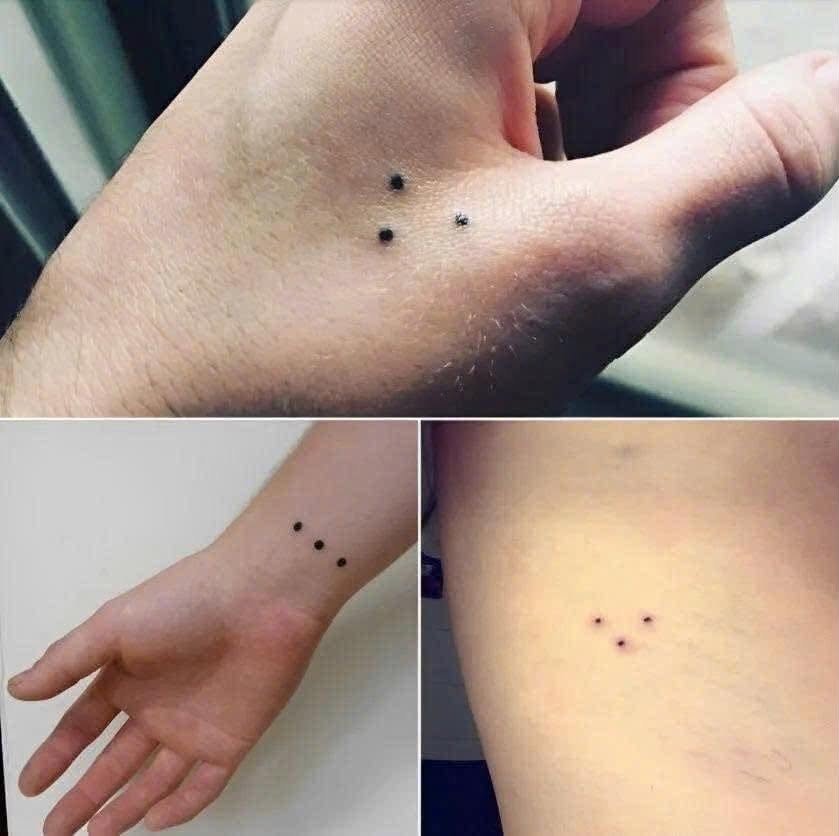
If You See Someone with a Three-Dot Tattoo, Run as Far as You Can…
What works well
- It correctly explains that a three-dot tattoo does not have one universal meaning.
- It emphasizes that context matters and people should not be judged based on appearance alone.
- It acknowledges that the tattoo has been associated with some gangs and prison cultures while making clear that many people wear it for unrelated personal reasons.
Suggested improvements
1. Avoid saying “millions of people.”
Unless you have evidence, this is too specific. Instead say:
“Many people wear this minimalist tattoo for personal, cultural, religious, or artistic reasons.”
2. Clarify the gang association.
Rather than implying “Mi Vida Loca” itself promotes crime, explain:
The phrase “Mi Vida Loca” (“My Crazy Life”) has historically been used in some gang and prison contexts, particularly in parts of Latin America and the United States, but it has also been adopted by many people simply to represent overcoming hardship or living through life’s challenges.
3. Strengthen the message about context.
Add something like:
A tattoo alone cannot reliably identify someone’s beliefs, background, or behavior. Similar symbols can have very different meanings depending on the individual and cultural context.
4. Remove absolute statements.
Instead of:
“In everyday life, you’re far more likely…”
Use:
“Many people choose this tattoo for reasons unrelated to crime or gangs.”
This is more defensible.
Overall assessment
I would rate the article 9/10 for accuracy after those small edits. Its central message—that you should not assume someone is dangerous because they have a three-dot tattoo—is well supported. The headline, however, (“If You See Someone with a Three-Dot Tattoo, Run as Far as You Can…”) is misleading clickbait and does not reflect the more balanced information presented in the article itself.
If You See Someone with a Three-Dot Tattoo, Run as Far as You Can…
What works well
- It correctly explains that a three-dot tattoo does not have one universal meaning.
- It emphasizes that context matters and people should not be judged based on appearance alone.
- It acknowledges that the tattoo has been associated with some gangs and prison cultures while making clear that many people wear it for unrelated personal reasons.
Suggested improvements
1. Avoid saying “millions of people.”
Unless you have evidence, this is too specific. Instead say:
“Many people wear this minimalist tattoo for personal, cultural, religious, or artistic reasons.”
2. Clarify the gang association.
Rather than implying “Mi Vida Loca” itself promotes crime, explain:
The phrase “Mi Vida Loca” (“My Crazy Life”) has historically been used in some gang and prison contexts, particularly in parts of Latin America and the United States, but it has also been adopted by many people simply to represent overcoming hardship or living through life’s challenges.
3. Strengthen the message about context.
Add something like:
A tattoo alone cannot reliably identify someone’s beliefs, background, or behavior. Similar symbols can have very different meanings depending on the individual and cultural context.
4. Remove absolute statements.
Instead of:
“In everyday life, you’re far more likely…”
Use:
“Many people choose this tattoo for reasons unrelated to crime or gangs.”
This is more defensible.
Overall assessment
I would rate the article 9/10 for accuracy after those small edits. Its central message—that you should not assume someone is dangerous because they have a three-dot tattoo—is well supported. The headline, however, (“If You See Someone with a Three-Dot Tattoo, Run as Far as You Can…”) is misleading clickbait and does not reflect the more balanced information presented in the article itself.