
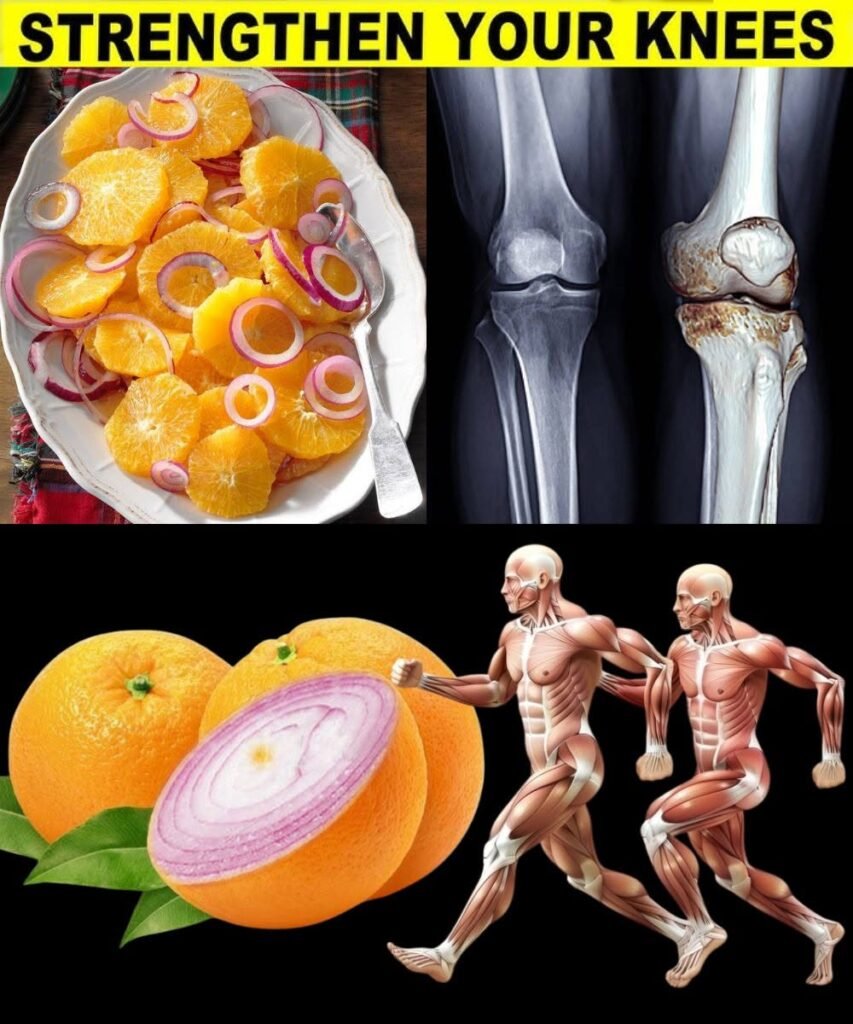
Support Your Knees With Nutrition and Movement
Your knees help you walk, climb stairs, and stay active every day. While no single food can cure arthritis or rebuild damaged cartilage, a balanced diet and regular physical activity can support joint health and overall mobility.
1. Nutrients in Oranges and Red Onions
Oranges
Oranges provide:
- Vitamin C: Supports normal collagen production, which is important for cartilage, tendons, ligaments, and other connective tissues.
- Antioxidants: Naturally occurring compounds that are part of a healthy diet.
- Water and fiber: Contribute to hydration and digestive health.
Red Onions
Red onions contain:
- Quercetin: A naturally occurring plant compound.
- Sulfur-containing compounds: Responsible for much of their flavor and aroma.
- Fiber: Supports healthy digestion.
- Low calories: An easy way to add flavor and vegetables to meals.
Both foods fit well into an eating pattern rich in fruits and vegetables, such as the Mediterranean-style diet.
2. Other Foods That Support Joint Health
A variety of nutrient-rich foods can help support overall musculoskeletal health, including:
- Fatty fish: Salmon, sardines, trout, and mackerel provide omega-3 fats.
- Leafy greens: Spinach, kale, and broccoli provide vitamins and minerals.
- Nuts and seeds: Walnuts, chia seeds, and flaxseeds contain healthy fats and fiber.
- Berries: Blueberries, strawberries, and raspberries provide antioxidants.
- Olive oil: A source of heart-healthy monounsaturated fats.
- Protein-rich foods: Beans, lentils, eggs, dairy, poultry, fish, and lean meats help maintain muscle, which supports the joints.
3. Habits That Help Support Healthy Knees
Strong muscles and healthy lifestyle habits play a major role in knee function.
Consider these evidence-based strategies:
- Strengthen the muscles around your knees: Exercises that target the quadriceps, hamstrings, glutes, and calves help support knee stability. A physical therapist can recommend a program that fits your needs.
- Choose low-impact activities: Walking, cycling, swimming, and water aerobics can help maintain joint mobility while reducing stress on the knees.
- Maintain a healthy weight: Even modest weight loss can reduce stress on the knee joints in people who are overweight.
- Stretch regularly: Gentle flexibility exercises may help maintain range of motion.
- Wear supportive footwear: Proper shoes can improve comfort during daily activities.
- Stay hydrated: Adequate hydration supports overall health and normal joint function.
4. Simple Orange and Red Onion Salad
Ingredients
- 2 oranges, peeled and sliced
- ½ small red onion, thinly sliced
- 1 teaspoon extra-virgin olive oil
- Fresh herbs such as parsley or mint
- A pinch of black pepper (optional)
Directions
- Arrange the orange slices on a plate.
- Scatter the sliced onion over the oranges.
- Drizzle with olive oil.
- Garnish with fresh herbs and serve.
This colorful salad pairs well with grilled fish, chicken, beans, or whole grains as part of a balanced meal.
5. When to See a Healthcare Professional
Consult your healthcare provider or a physical therapist if you have:
- Knee pain that lasts more than a few weeks
- Swelling, warmth, or redness around the joint
- Locking, catching, or instability
- Pain that wakes you at night
- Difficulty bearing weight after an injury
- Knee pain accompanied by fever or significant swelling
Early evaluation can help identify the cause and guide appropriate treatment.
Common Myths
Myth: One food can cure arthritis.
Fact: No food has been proven to cure arthritis or repair damaged cartilage.
Myth: You can stop your medication if you eat the right foods.
Fact: Healthy eating supports overall wellness but should not replace treatments prescribed by your healthcare provider.
Myth: Eating more of one “superfood” gives better results.
Fact: Long-term joint health depends on an overall balanced diet, regular physical activity, maintaining a healthy weight, and appropriate medical care when needed.
Final Thoughts
Oranges and red onions are nutritious foods that can be part of a healthy eating pattern supporting overall wellness. Combined with regular strength training, low-impact exercise, adequate sleep, and maintaining a healthy weight, they contribute to long-term joint health.
If knee pain is persistent, severe, or limiting your daily activities, consult a healthcare professional or physical therapist for an evaluation and personalized treatment plan.
Disclaimer: This article is for informational and educational purposes only and should not be considered medical advice. Foods are not intended to diagnose, treat, cure, or prevent joint disease or injury. For persistent knee pain or other joint concerns, consult a licensed healthcare professional.