
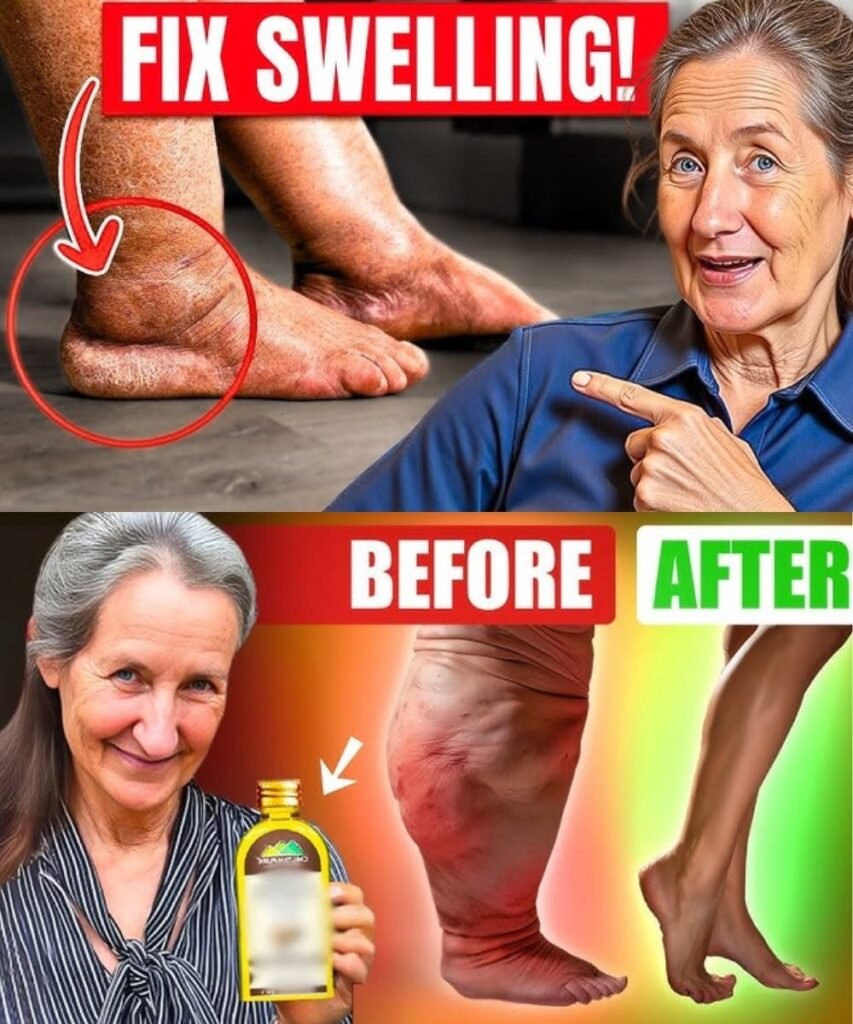
Understanding Leg and Foot Swelling: Causes, Self-Care, and When to Seek Medical Attention
Swelling in the legs, ankles, or feet—also called peripheral edema—occurs when excess fluid collects in the body’s tissues. Mild swelling can happen after standing or sitting for long periods, but persistent, worsening, or sudden swelling should be evaluated by a healthcare professional because it can have many different causes.
1. Common Causes of Leg and Foot Swelling
Leg swelling can result from a variety of conditions, including:
- Prolonged sitting or standing: Gravity can cause fluid to collect in the lower legs.
- Venous insufficiency: Veins have difficulty returning blood to the heart, allowing fluid to build up.
- Lymphedema: A condition in which lymph fluid accumulates because the lymphatic system is not draining properly.
- Heart, kidney, or liver disease: These conditions can affect how the body regulates fluids.
- Medications: Some blood pressure medications, steroids, anti-inflammatory drugs (NSAIDs), and other medicines may contribute to swelling.
- High sodium intake: Eating large amounts of salt can increase fluid retention.
- Pregnancy and hormonal changes: Mild swelling is common during pregnancy, but sudden or severe swelling requires prompt medical evaluation.
- Injury or infection: Sprains, fractures, cellulitis, and other conditions may cause localized swelling.
Only a healthcare professional can determine the underlying cause through a medical history, physical examination, and, if needed, diagnostic testing.
2. Daily Habits That May Help Mild Swelling
If your healthcare provider has determined that your swelling is not caused by a serious medical condition, these habits may help improve comfort and circulation:
- Elevate your legs: Raise your feet above heart level for 15–20 minutes several times a day when possible.
- Move regularly: Walking, ankle circles, calf raises, and gentle stretching help activate the muscles that assist blood flow.
- Reduce excess sodium: Limiting highly processed foods may help reduce fluid retention.
- Stay hydrated: Drinking enough water supports normal body functions and overall health.
- Wear compression stockings if recommended: Compression garments should be used only after discussing them with your healthcare provider, especially if you have circulation problems.
- Maintain a healthy weight: Regular physical activity and balanced nutrition support circulation and overall health.
- Avoid restrictive clothing: Tight clothing around the waist, thighs, or calves may interfere with circulation.
These strategies may help manage mild swelling but do not treat underlying medical conditions.
3. What to Avoid
Keep these precautions in mind:
- Do not ignore sudden swelling, especially if it affects only one leg.
- Do not stop prescribed medications unless instructed by your healthcare provider.
- Be cautious of products claiming to “drain fluid” or “cure swelling.” No oil, tea, supplement, or drink has been proven to eliminate chronic swelling or replace medical treatment.
- Avoid self-diagnosis. Swelling can have many different causes, and appropriate testing may be needed.
4. When to Seek Medical Attention Immediately
Seek prompt medical care if you experience:
- Swelling in one leg accompanied by pain, redness, warmth, or tenderness
- Swelling together with chest pain or shortness of breath
- Sudden or rapidly worsening swelling
- Swelling with fever or signs of infection
- New swelling that persists, repeatedly returns, or continues to worsen
These symptoms may indicate a condition that requires urgent evaluation.
5. How Healthcare Professionals Evaluate Swelling
To identify the cause, your healthcare provider may recommend:
- A physical examination
- Blood pressure measurement
- Blood and urine tests
- Ultrasound of the leg veins
- Heart function tests, if indicated
- Kidney or liver function tests
Treatment depends on the underlying cause and may include lifestyle changes, medications, compression therapy, or other medical interventions.
Final Thoughts
Leg and foot swelling is common and often has a treatable cause. Simple measures such as elevating your legs, staying active, reducing excess sodium, and maintaining a healthy lifestyle may help with mild swelling caused by everyday factors.
However, persistent, worsening, or sudden swelling should never be ignored. The best approach is to work with your healthcare provider to determine the cause and receive appropriate treatment.
Disclaimer: This article is for informational and educational purposes only and should not be considered medical advice. It is not intended to diagnose, treat, cure, or prevent any disease. If you have persistent or concerning swelling, consult a licensed healthcare professional for evaluation.