
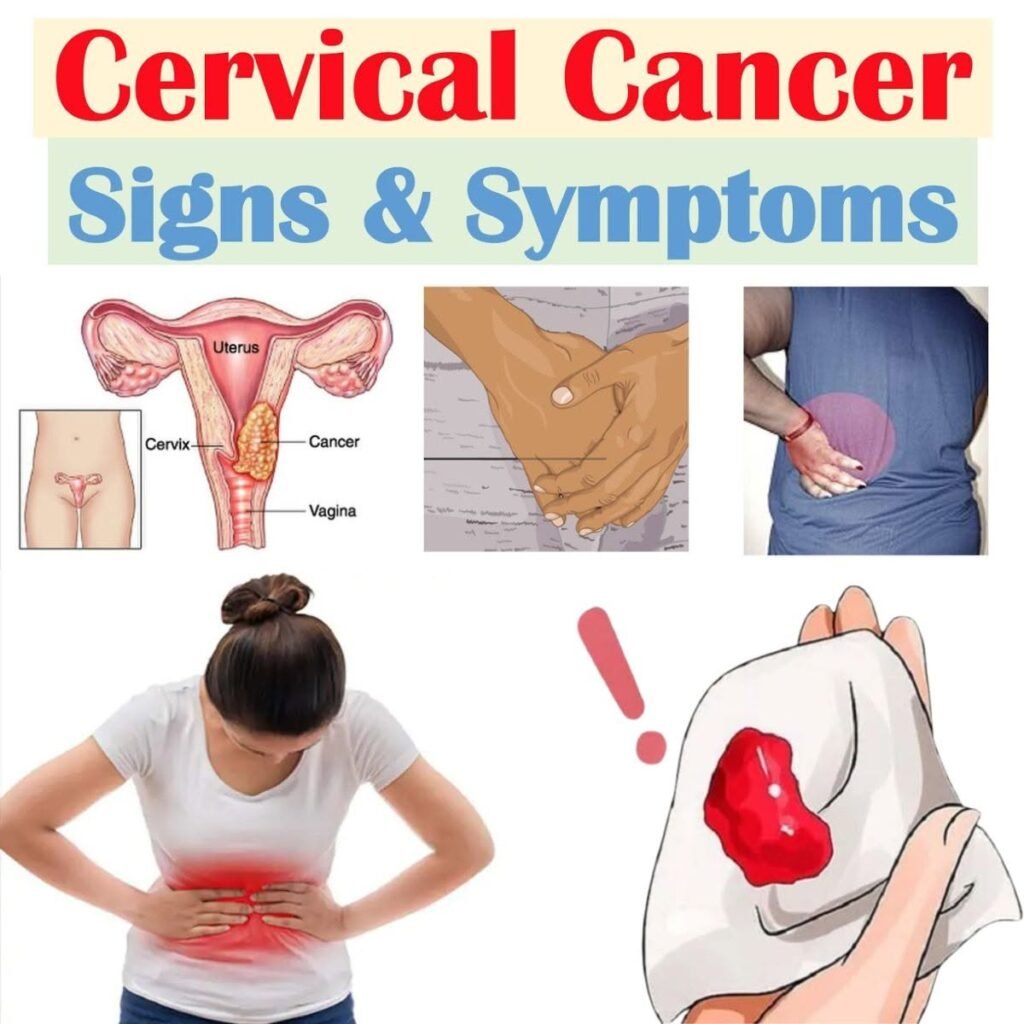
Cervical Health: Signs to Know and When to See a Healthcare Professional
The cervix is the lower part of the uterus that connects to the vagina. Most cervical cancers develop gradually, often beginning with abnormal cell changes caused by certain types of human papillomavirus (HPV).
In its early stages, cervical cancer usually does not cause symptoms, which is why regular screening and HPV vaccination are among the most effective ways to help prevent it.
Signs That May Be Related to Cervical Health
The symptoms below can have many possible causes, including infections, hormonal changes, benign conditions, and other gynecologic issues. If you notice any of these symptoms, especially if they are new, persistent, or worsening, schedule an appointment with your healthcare provider.
Unusual Vaginal Bleeding
Examples include:
- Bleeding between menstrual periods
- Bleeding after sexual intercourse
- Bleeding after menopause
- Menstrual periods that become much heavier or last longer than usual
Unusual Vaginal Discharge
You may notice discharge that is:
- Watery
- Bloody
- Foul-smelling
- Different from your normal pattern
Pelvic Pain
Persistent pain or pressure in the lower abdomen or pelvis that is not related to your menstrual cycle should be evaluated.
Pain During Sexual Intercourse
Pain during or after intercourse can have several causes and is worth discussing with a healthcare professional if it continues.
Persistent Lower Back Pain
Lower back pain is common and often unrelated to the cervix, but persistent pain—especially when accompanied by other symptoms—should be assessed.
Pain or Difficulty Urinating
Pain, burning, or difficulty passing urine can result from urinary tract infections or other conditions and may require medical evaluation.
Ongoing Fatigue
Persistent tiredness that does not improve with adequate rest can have many causes, including anemia and other medical conditions.
Leg Pain or Swelling
Although uncommon, swelling or pain in one or both legs should be evaluated, particularly if it is persistent or occurs with other concerning symptoms.
Important: Early cervical cell changes and early cervical cancer often cause no symptoms at all, making routine screening especially important.
Screening and Prevention
The most effective ways to reduce the risk of cervical cancer include:
- Regular cervical screening (Pap test/Pap smear): Detects abnormal cervical cells before they become cancerous.
- HPV testing: Identifies high-risk types of HPV that are associated with cervical cancer.
- HPV vaccination: Protects against the HPV types responsible for most cervical cancers and is recommended according to national immunization guidelines.
- Safer sex practices: Barrier methods, such as condoms, can reduce—but not completely eliminate—the risk of HPV transmission.
- Avoid smoking: Smoking increases the risk of cervical cancer and other health conditions.
- Attend regular health checkups: Follow the screening schedule recommended by your healthcare provider, which varies based on age, screening results, and local guidelines.
When to Seek Medical Care Promptly
Contact a healthcare professional promptly if you experience:
- Bleeding after sexual intercourse
- Bleeding between periods or after menopause
- Persistent pelvic pain
- Vaginal discharge that is unusual, persistent, or foul-smelling
- Symptoms that continue or worsen despite treatment
Seek urgent medical attention if you have very heavy vaginal bleeding, severe pelvic pain, dizziness, or fainting.
Final Thoughts
Cervical cancer is one of the most preventable cancers because regular screening can detect abnormal cell changes before cancer develops, and HPV vaccination helps protect against the most common high-risk HPV types.
The symptoms listed above do not mean you have cervical cancer. Most are caused by other, often treatable, conditions. However, because early cervical changes frequently cause no symptoms, staying up to date with cervical screening and discussing any unusual changes with your healthcare provider are the best steps you can take to protect your health.
Disclaimer: This article is for informational and educational purposes only and should not be considered medical advice. It is not intended to diagnose, treat, cure, or prevent any disease. If you have concerning symptoms or questions about cervical health or screening, consult a licensed healthcare professional.