
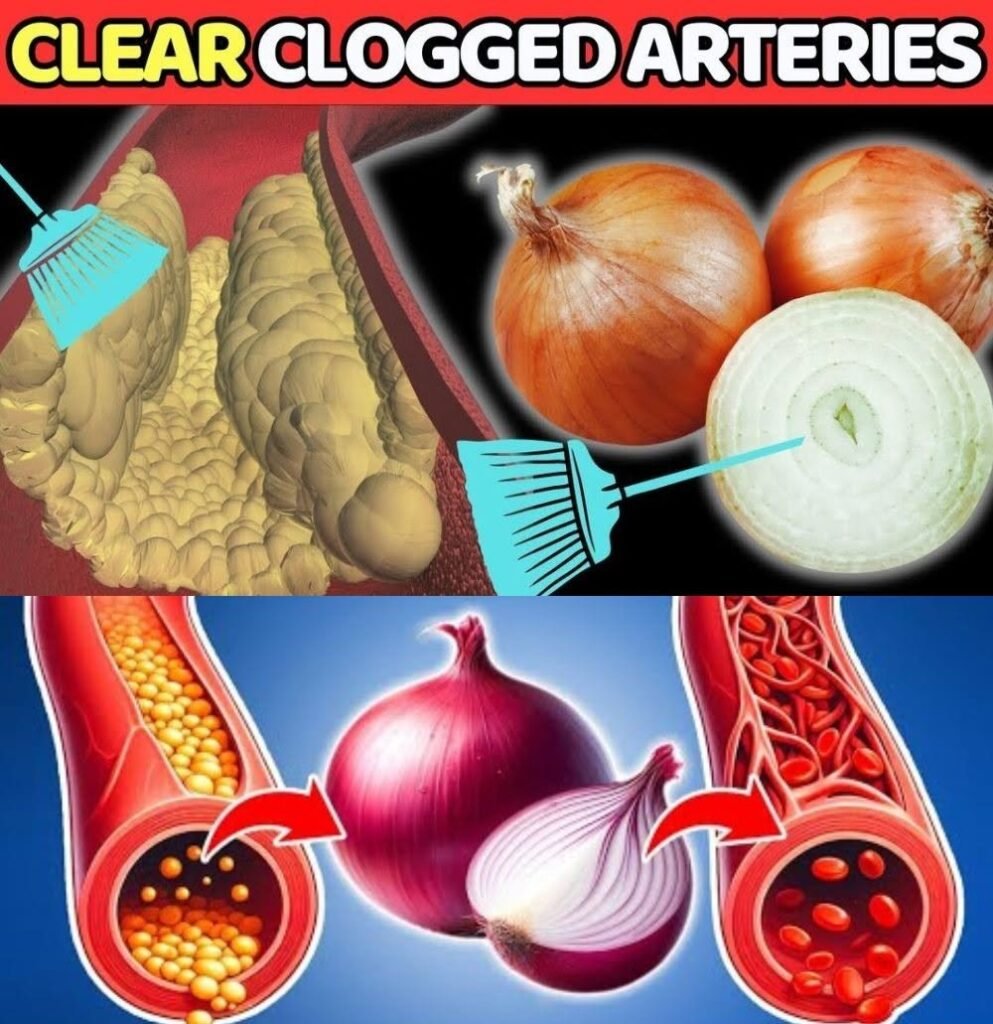
Onions and Heart-Healthy Habits
Onions are a staple ingredient in cuisines around the world. They add flavor to meals with very few calories and provide fiber, vitamins, and naturally occurring plant compounds. While onions can be part of a heart-healthy eating pattern, no single food can unclog arteries or cure heart disease.
Here’s what onions contribute to a healthy diet and the habits that have the strongest scientific support for cardiovascular health.
1. What’s in Onions?
Onions contain a variety of nutrients, including:
- Dietary fiber: Supports healthy digestion.
- Vitamin C: Helps support normal immune function.
- B vitamins: Including folate and vitamin B6, which help the body use energy.
- Potassium: Supports normal muscle and nerve function.
- Antioxidants: Including quercetin and naturally occurring sulfur compounds.
- Low calories: A flavorful way to add vegetables to meals without adding much fat or sugar.
2. What Research Says
Research suggests that diets rich in vegetables, fruits, whole grains, legumes, nuts, and healthy fats—such as the Mediterranean-style eating pattern—are associated with better heart health.
Onions can certainly be part of this type of diet. However, studies evaluate overall dietary patterns and lifestyle, not individual foods as treatments.
There is no reliable evidence that eating onions can remove existing plaque from arteries or reverse cardiovascular disease.
3. Habits That Support Heart and Circulatory Health
The following habits have strong scientific evidence for supporting cardiovascular health:
- Eat more vegetables and fruits: Include onions, leafy greens, tomatoes, berries, broccoli, and other colorful produce.
- Choose healthy fats: Use olive oil, nuts, seeds, avocados, and oily fish in place of saturated and trans fats when possible.
- Limit excess sodium, added sugars, and trans fats: These dietary changes can support healthy blood pressure and cholesterol levels.
- Stay physically active: Aim for at least 150 minutes of moderate-intensity exercise each week, such as brisk walking, if appropriate for your health.
- Maintain a healthy weight: Healthy eating and regular activity work together to support overall wellness.
- Avoid smoking and limit alcohol: These are among the most important lifestyle factors for heart health.
- Attend regular health checkups: Monitor blood pressure, cholesterol, blood sugar, and follow your healthcare provider’s recommendations, including prescribed medications.
4. Simple Onion and Vegetable Sauté
Ingredients
- 1 medium onion, sliced
- 1 bell pepper, sliced
- 1 zucchini, sliced
- 1 teaspoon olive oil
- Herbs and black pepper to taste
Directions
- Heat the olive oil over medium heat.
- Add the onion and cook for 3–4 minutes.
- Add the bell pepper and zucchini.
- Sauté for another 5–7 minutes until tender.
- Season with herbs and serve alongside lean protein, eggs, soups, or whole grains.
This recipe is an easy way to increase your vegetable intake as part of a balanced meal.
5. Important Safety Notes
Keep these points in mind:
- Onions are not a treatment for heart disease. They do not dissolve plaque or replace prescribed medications.
- Be cautious with supplements. Concentrated onion or garlic supplements may interact with blood-thinning medications. Speak with your healthcare provider before using them.
- Know when to seek medical care. Chest pain, shortness of breath, sudden weakness, fainting, or severe leg pain require prompt medical evaluation.
- Heart health should be monitored by healthcare professionals. Blood tests and appropriate imaging are needed to assess cholesterol levels and cardiovascular risk.
Common Myths
Myth: One food can clean out clogged arteries.
Fact: Arteries cannot be “swept clean” by any single food, drink, or home remedy.
Myth: Natural foods can replace heart medication.
Fact: Never stop or change prescribed medications without discussing it with your healthcare provider.
Myth: Heart disease has one simple solution.
Fact: Long-term heart health depends on a combination of healthy eating, physical activity, avoiding tobacco, managing medical conditions, and receiving appropriate medical care.
Final Thoughts
Onions are a nutritious, affordable, and flavorful vegetable that fits well into a heart-healthy eating pattern. Including them regularly alongside a variety of fruits, vegetables, whole grains, legumes, and healthy fats can support overall wellness.
If you have high cholesterol, high blood pressure, coronary artery disease, or another heart condition, the most effective approach is to combine healthy lifestyle habits with regular medical care and any treatments recommended by your healthcare provider.
Disclaimer: This article is for informational and educational purposes only and should not be considered medical advice. Onions are a food and are not intended to diagnose, treat, cure, or prevent any disease. Always consult a qualified healthcare professional regarding concerns about your heart or circulatory health.