
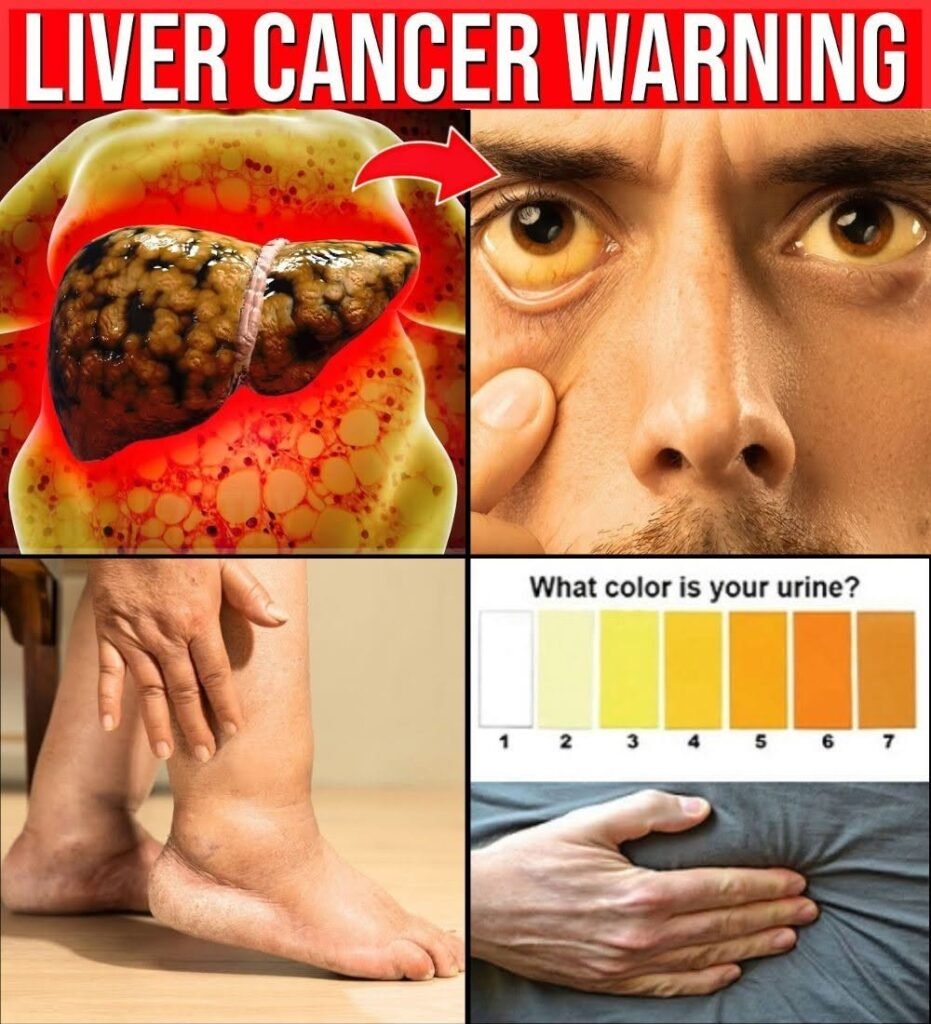
11 Signs That May Be Related to Liver Health
The liver is one of the body’s largest organs and performs hundreds of essential functions. It helps process nutrients, filters substances from the blood, produces bile for digestion, stores energy, and makes proteins involved in blood clotting.
Many liver conditions develop gradually and may not cause noticeable symptoms at first. The signs below can occur with liver disease, but they can also be caused by many other medical conditions. Persistent or concerning symptoms should always be evaluated by a healthcare professional.
1. Yellowing of the Skin or Eyes (Jaundice)
What you may notice:
- Yellowing of the whites of the eyes
- Yellow tint to the skin
- Sometimes accompanied by dark urine or pale stools
Possible causes:
Jaundice occurs when bilirubin builds up in the body. It may be caused by liver disease, bile duct problems, certain blood disorders, or other medical conditions.
What to do:
Seek prompt medical evaluation if you notice jaundice.
2. Dark Urine
What you may notice:
- Urine that appears dark yellow, amber, or tea-colored
Possible causes:
Dark urine is commonly caused by dehydration but may also occur with liver or bile duct disorders, certain medications, foods, or infections.
What to do:
Drink adequate fluids and contact your healthcare provider if the discoloration persists or occurs with other symptoms such as jaundice.
3. Pale or Clay-Colored Stools
What you may notice:
- Very light-colored or gray stools
Possible causes:
Changes in bile flow can affect stool color. Certain medications and digestive conditions may also contribute.
What to do:
If pale stools persist or occur with jaundice or abdominal pain, seek medical evaluation.
4. Swelling of the Legs, Ankles, or Feet
What you may notice:
- Puffiness or swelling in the lower legs
- Socks leaving deeper marks than usual
Possible causes:
Swelling may result from heart, kidney, liver, or circulation problems, among other conditions.
What to do:
Discuss persistent swelling with your healthcare provider.
5. Abdominal Pain or Swelling
What you may notice:
- Pain or discomfort, especially in the upper right abdomen
- Abdominal fullness or swelling
Possible causes:
This symptom has many possible causes, including liver disease, gallbladder problems, digestive disorders, or muscle strain.
What to do:
Seek medical evaluation if symptoms are severe, persistent, or worsening.
6. Unexplained Weight Loss
What you may notice:
- Losing weight without changes to diet or activity
Possible causes:
Unintentional weight loss may occur with many medical conditions affecting digestion, metabolism, or overall health.
What to do:
If weight loss continues without an obvious reason, consult your healthcare provider.
7. Loss of Appetite or Persistent Nausea
What you may notice:
- Reduced appetite
- Feeling full quickly
- Ongoing nausea
Possible causes:
These symptoms can occur with many digestive illnesses, medication side effects, infections, or liver disorders.
What to do:
If symptoms persist, seek medical advice.
8. Persistent Fatigue
What you may notice:
- Ongoing tiredness or low energy despite adequate rest
Possible causes:
Fatigue is a common symptom associated with many conditions, including poor sleep, anemia, thyroid disorders, infections, chronic illnesses, and liver disease.
What to do:
Persistent fatigue deserves medical evaluation, particularly if accompanied by other symptoms.
9. Easy Bruising or Bleeding
What you may notice:
- Bruises developing more easily than usual
- Frequent nosebleeds or bleeding gums
Possible causes:
The liver produces proteins involved in blood clotting. Bruising may also result from aging, certain medications, vitamin deficiencies, or blood disorders.
What to do:
Report unexplained bruising or bleeding to your healthcare provider.
10. Itchy Skin
What you may notice:
- Persistent itching without an obvious rash
Possible causes:
Dry skin, allergies, eczema, kidney disease, liver disorders, and many other conditions may cause itching.
What to do:
Seek medical advice if itching is persistent, severe, or accompanied by jaundice.
11. Confusion or Difficulty Concentrating
What you may notice:
- Trouble focusing
- Memory problems
- Increased confusion
Possible causes:
These symptoms have many potential causes, including poor sleep, medication effects, infections, metabolic disorders, neurological conditions, and advanced liver disease.
What to do:
Sudden confusion or significant changes in mental status require prompt medical evaluation.
Habits That Support Liver Health
Healthy lifestyle choices can help support normal liver function:
- Limit or avoid alcohol: Excessive alcohol consumption can damage the liver.
- Maintain a healthy weight: Regular physical activity and balanced nutrition support overall liver health.
- Eat a balanced diet: Include vegetables, fruits, whole grains, legumes, lean proteins, and healthy fats.
- Use medications safely: Follow dosage instructions and avoid mixing alcohol with medications unless advised by your healthcare provider.
- Discuss supplements with your healthcare provider: Some herbal products and supplements can affect the liver.
- Stay up to date with recommended vaccinations: Vaccination against hepatitis A and hepatitis B may be appropriate for some individuals.
- Reduce exposure to blood-borne infections: Avoid sharing needles or personal items that may come into contact with blood.
When to Seek Medical Care Promptly
Contact a healthcare professional promptly if you experience:
- Yellowing of the skin or eyes (jaundice)
- Severe or worsening abdominal pain
- Significant abdominal swelling
- Vomiting blood
- Black, tarry stools
- New or worsening confusion
- Extreme fatigue accompanied by other concerning symptoms
If symptoms are severe or rapidly worsening, seek emergency medical care.
Final Thoughts
The signs listed above do not necessarily mean you have liver disease. Most have many possible causes, many of which are common and treatable.
However, persistent or unexplained symptoms should not be ignored. If you notice ongoing changes in your health, consult a licensed healthcare professional. Early evaluation can help identify the cause and, when appropriate, allow treatment to begin as soon as possible.
Disclaimer: This article is for informational and educational purposes only and should not be considered medical advice. These symptoms are not specific to liver disease and should not be used to diagnose any medical condition. If you have persistent, severe, or concerning symptoms, seek evaluation from a licensed healthcare professional.