
Title: Teeth Whitening at Home: What Really Helps Remove Stains Safely
1. The Truth About “Instant” Teeth Whitening
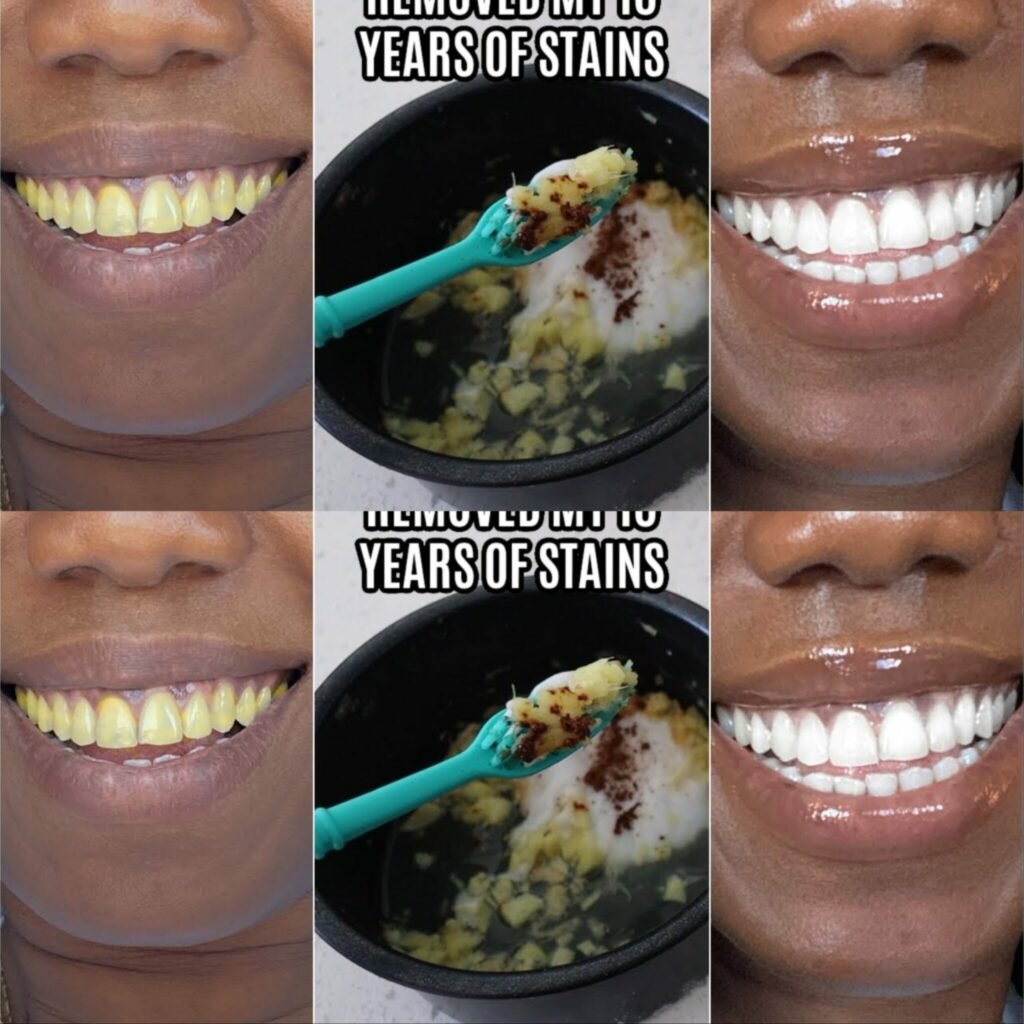
Many people want a quick way to remove years of tooth stains, but no natural mixture can safely erase a decade of discoloration in just a few minutes.
Teeth stains usually develop from:
- Coffee, tea, and other dark beverages
- Smoking or tobacco use
- Certain foods
- Aging-related enamel changes
- Plaque and tartar buildup
Some home methods may help reduce surface stains, but deeper discoloration often requires professional dental treatment.
2. Understanding Common DIY Whitening Ingredients
Some household ingredients are often promoted for brighter teeth, but they should be used carefully.
Baking soda
- A mild abrasive that may help remove some surface stains.
- Overuse can contribute to enamel wear.
Lemon juice
- Contains citric acid, which may affect surface stains.
- Frequent use can weaken enamel because acids can increase erosion risk.
Salt
- Provides abrasion but does not actually whiten teeth.
- Excessive scrubbing may irritate gums.
Fruit-based remedies
- Fruits contain natural compounds, but there is limited evidence that rubbing fruit on teeth produces meaningful whitening results.
3. Safer Ways to Brighten Your Smile
For healthier-looking teeth, focus on habits that protect enamel:
Daily care:
- Brush twice daily with fluoride toothpaste.
- Floss regularly to remove plaque between teeth.
- Rinse your mouth with water after staining drinks.
- Limit frequent sipping of acidic or sugary beverages.
- Schedule regular dental cleanings.
Whitening options:
- Dentist-recommended whitening treatments
- Over-the-counter whitening products with proven ingredients
- Professional cleaning to remove tartar and stubborn stains
4. If You Try a DIY Method, Be Careful
If you use any homemade whitening mixture:
- Avoid harsh scrubbing.
- Do not use acidic ingredients frequently.
- Stop if you notice pain, sensitivity, or gum irritation.
- Never use abrasive substances that could scratch enamel.
- Ask your dentist first if you have sensitive teeth, cavities, gum disease, or enamel problems.
5. When Tooth Stains Need a Dentist
A dental visit is recommended if you notice:
- Dark stains that do not improve with brushing
- Yellow or brown buildup near the gumline
- Tooth sensitivity
- Tooth pain
- Changes in tooth shape or color
These may be signs of tartar, decay, or other dental concerns.
6. Final Note
A brighter smile comes from protecting your teeth, not from aggressive shortcuts. While some methods may temporarily improve the appearance of surface stains, safe whitening takes time and should not damage enamel. Regular dental care and gentle habits remain the best way to maintain healthy, naturally brighter teeth.
This article is for general information only and is not a substitute for professional dental advice.