
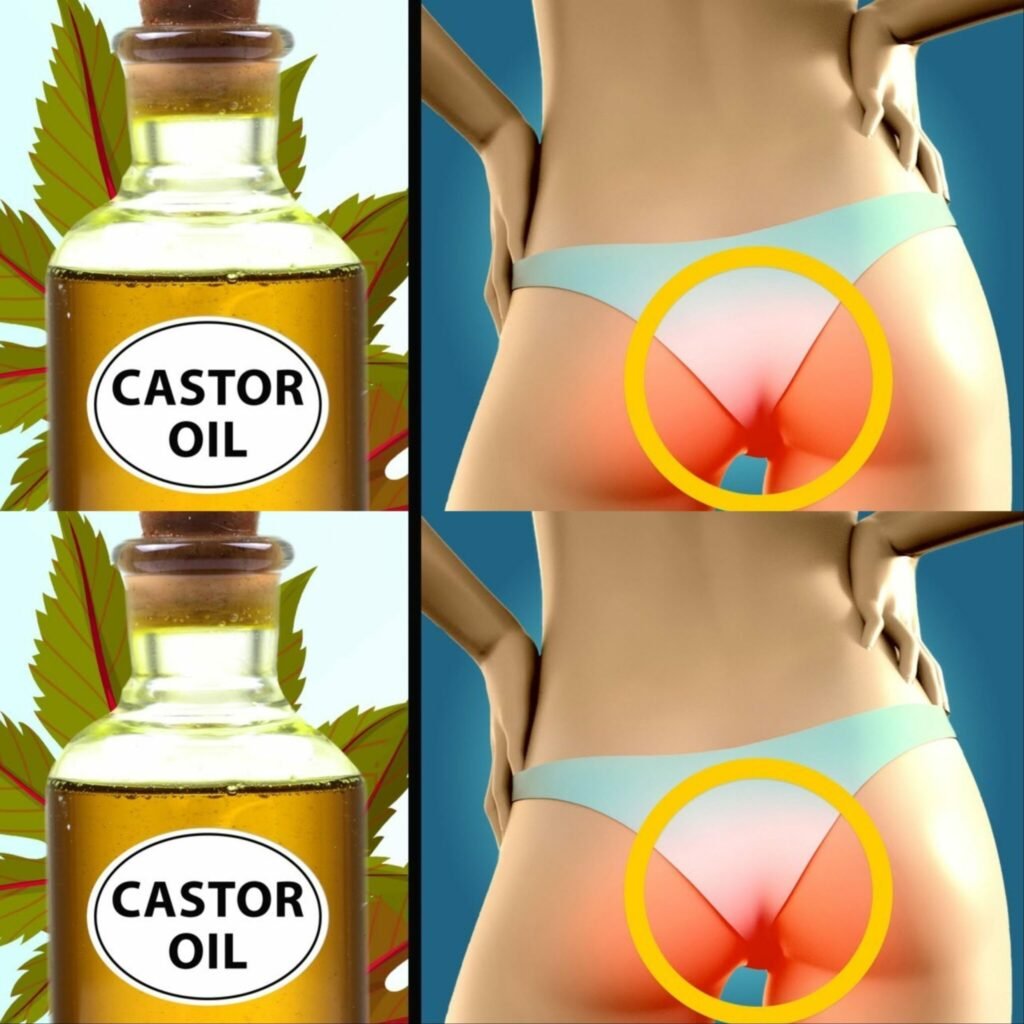
Title: 13 Practical Uses of Castor Oil: Benefits, Tips, and Safety
1. What Is Castor Oil?
Castor oil is a thick vegetable oil extracted from the seeds of the castor plant. It contains ricinoleic acid, a fatty acid that has moisturizing properties and has been studied for certain anti-inflammatory and antimicrobial effects. It has long been used in personal care and, in some cases, as a stimulant laxative under medical guidance.
2. Common Uses for Castor Oil
Many people use castor oil as part of their skin, hair, and nail care routine.
Popular uses include:
- Moisturizing dry skin: Helps reduce moisture loss when applied to damp skin.
- Softening cracked heels: Apply before bed and wear cotton socks overnight.
- Conditioning eyelashes and eyebrows: Some people use a small amount to condition hair, though evidence that it promotes growth is limited.
- Moisturizing a dry scalp: Can help reduce dryness and flaking for some individuals.
- Softening cuticles: Keeps nails and surrounding skin hydrated.
- Removing makeup: Dissolves many makeup products, including waterproof mascara.
- Conditioning dry lips: A small amount may help keep lips moisturized.
3. What the Evidence Says
Some traditional uses of castor oil are supported by limited research, while others have little scientific evidence.
Current understanding:
- Well established: Castor oil is an effective stimulant laxative, but it should only be used as directed and is not appropriate for everyone.
- Likely beneficial: It works well as an occlusive moisturizer that helps protect the skin’s moisture barrier.
- Limited evidence: Claims that castor oil significantly boosts hair growth, fades dark spots, or reduces under-eye puffiness have not been proven by high-quality clinical studies.
4. Safety Tips
Castor oil is generally safe for topical use when used appropriately.
Before using it:
- Perform a patch test on a small area of skin for 24 hours.
- Use 100% pure, cold-pressed castor oil from a reputable source.
- Apply only a small amount, as it is very thick.
- Avoid getting it into your eyes.
- Keep it away from broken or infected skin unless advised by a healthcare professional.
5. Important Precautions
Although castor oil is a natural product, it is not suitable for everyone.
Talk to a healthcare provider before using castor oil internally if you:
- Are pregnant or breastfeeding.
- Have abdominal pain, bowel disease, or unexplained digestive symptoms.
- Take medications that may interact with laxatives.
- Plan to use it regularly for constipation.
Frequent use as a laxative can cause dehydration, electrolyte imbalances, or dependence. Constipation that persists should be evaluated by a healthcare professional.
6. Final Note
Castor oil is a versatile product that can be useful for moisturizing skin, caring for nails, conditioning hair, and removing makeup. While it has a long history of traditional use, it’s important to separate well-supported benefits from claims that lack strong scientific evidence. For ongoing skin, hair, or digestive concerns, consult a licensed healthcare professional for personalized advice.
This article is for general information only and is not medical advice.