
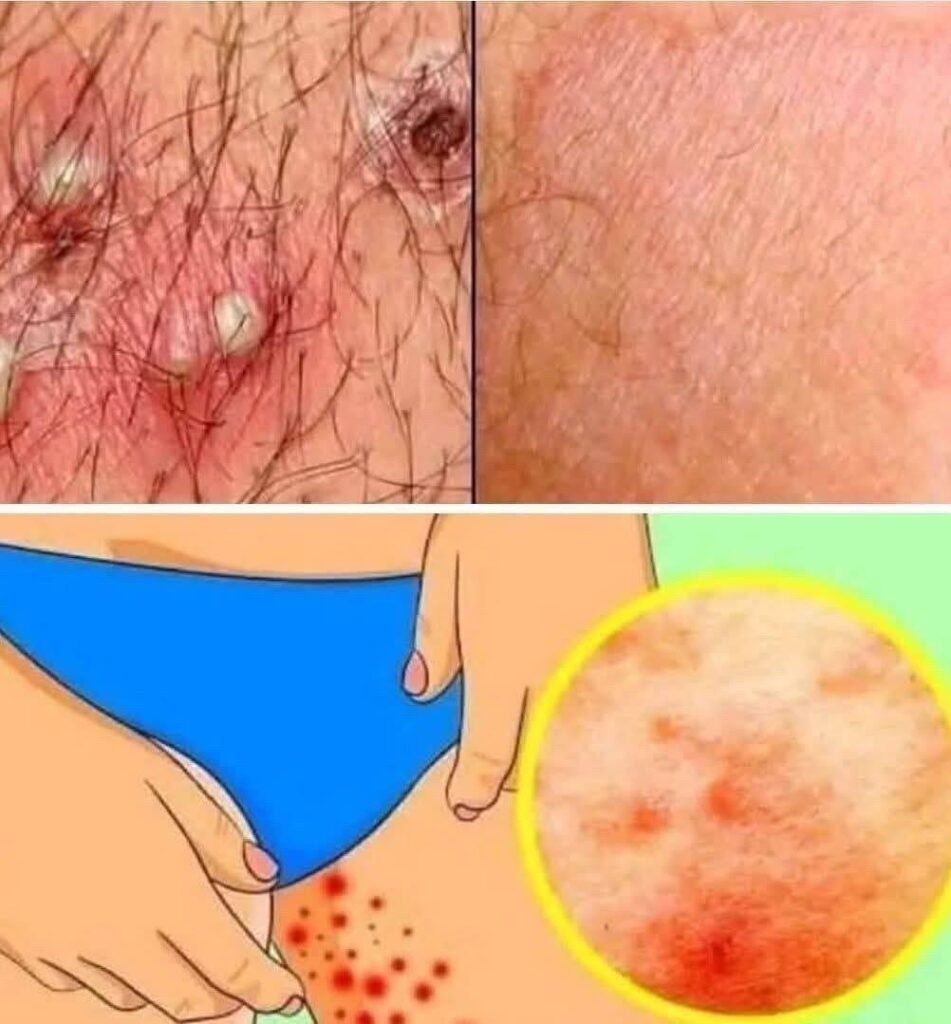
Painful Bump in the Groin? Here’s One Common Cause Many People Overlook
1. A Small Bump Can Cause a Big Worry
Discovering a new bump in the groin can be unsettling. A small, tender, or itchy spot may raise concerns about an infection or another health problem.
The good news is that many groin bumps have harmless causes. One of the most common is an ingrown hair, especially after shaving or other hair removal methods. However, because groin lumps can have many different causes, it’s important not to self-diagnose.
2. Why the Groin Area Is Prone to Irritation
The groin is especially susceptible to skin irritation because it is exposed to:
- Heat
- Sweat and moisture
- Friction from walking or exercise
- Tight-fitting clothing
- Shaving, waxing, or other hair removal methods
These factors can irritate hair follicles and increase the likelihood of developing bumps or redness.
3. What Is an Ingrown Hair?
An ingrown hair occurs when a hair curls or grows back into the skin instead of growing outward normally.
This can cause a localized inflammatory reaction that may result in:
- A small, raised bump
- Redness
- Mild swelling
- Itching
- Tenderness
- Occasionally, a small amount of pus
Ingrown hairs are particularly common after shaving, waxing, or tweezing and may occur more often in people with coarse or curly hair.
4. Common Signs of an Ingrown Hair
People commonly notice:
- A small, painful or tender bump
- Mild itching
- A visible hair trapped beneath the skin
- Temporary skin discoloration
- Mild swelling
Many ingrown hairs improve on their own within several days to a couple of weeks.
5. The Biggest Mistake to Avoid
It can be tempting to squeeze or pick at the bump, but this often makes the problem worse.
Picking or squeezing may:
- Increase inflammation
- Introduce bacteria into the skin
- Lead to infection
- Delay healing
- Increase the chance of scarring
Allowing the area to heal naturally is usually the safest approach.
6. Tips That May Help an Ingrown Hair Heal
Simple home care is often enough for uncomplicated ingrown hairs.
Try these measures:
- Apply a warm compress for 10–15 minutes several times a day.
- Gently cleanse the area with mild soap and water.
- Avoid shaving or waxing the affected area until it heals.
- Wear loose, breathable clothing to reduce friction.
- Consider gentle exfoliation after the area is less tender, but avoid vigorous scrubbing.
If the bump becomes increasingly painful or appears infected, seek medical advice rather than attempting to remove it yourself.
7. When to See a Healthcare Provider
Although most ingrown hairs are harmless, medical evaluation is recommended if you experience:
- Increasing redness or swelling
- Severe or worsening pain
- Pus that continues to drain
- Fever
- A lump that continues growing
- Recurrent bumps in the same area
- A bump that does not improve after one to two weeks
- Any lump that concerns you or seems unusual
A healthcare provider can determine whether the bump is an ingrown hair or another condition that requires treatment.
8. Other Possible Causes of Groin Bumps
Not every bump in the groin is an ingrown hair. Other possible causes include:
- Inflamed hair follicles (folliculitis)
- Skin cysts
- Enlarged lymph nodes
- Friction-related skin irritation
- Boils or skin abscesses
- Certain sexually transmitted infections (STIs)
Because several conditions can look similar, a healthcare professional is the best person to determine the cause.
9. Final Note
Finding a bump in the groin can be concerning, but many are caused by common skin conditions such as ingrown hairs or mild follicle irritation. Gentle skin care, avoiding irritation, and monitoring the area are often all that’s needed.
If the bump persists, becomes more painful, or is accompanied by fever or other concerning symptoms, seek evaluation from a licensed healthcare provider for an accurate diagnosis and appropriate treatment.
This article is for general informational purposes only and is not medical advice. Always consult a qualified healthcare professional if you have concerns about a skin lump, persistent symptoms, or signs of infection.